THE ADVENTURE COLLECTIVE® · Independent discovery and booking for outdoor travel

Spend a half-day exploring Souss Massa National Park from Agadir by 4x4, visiting the park museum and scanning estuaries and dunes for oryx, ibis and gazelles. This accessible wildlife excursion blends conservation history, coastal geology and guided vehicle safaris.
Spend a half-day exploring Souss Massa National Park from Agadir by 4x4, visiting the park museum and scanning estuaries and dunes for oryx, ibis and gazelles. This accessible wildlife excursion blends conservation history, coastal geology and guided vehicle safaris.
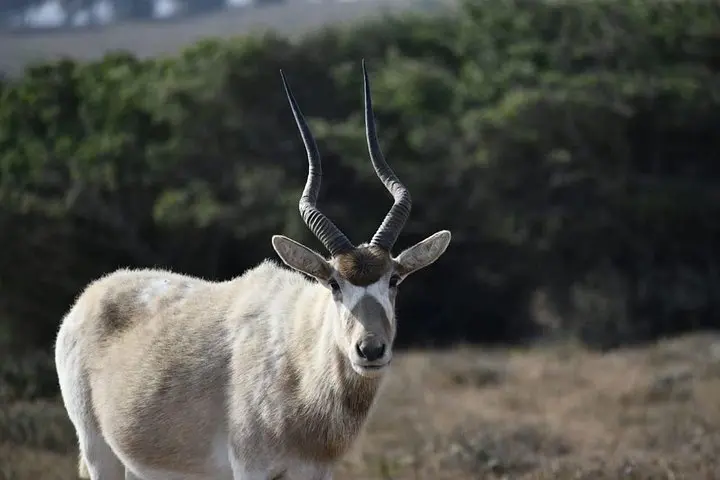
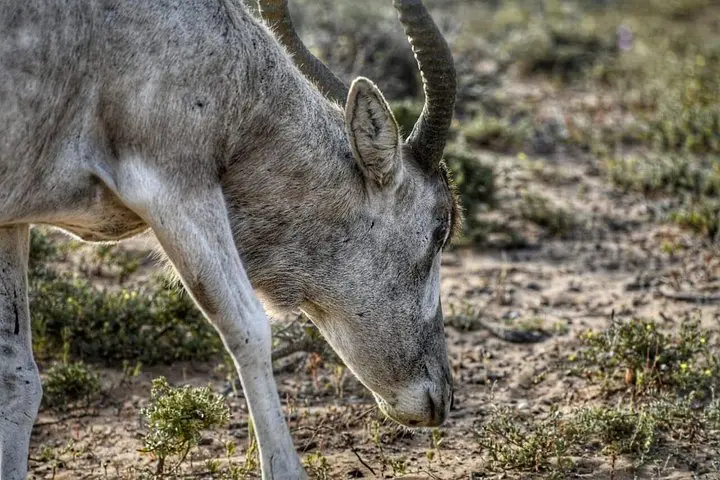
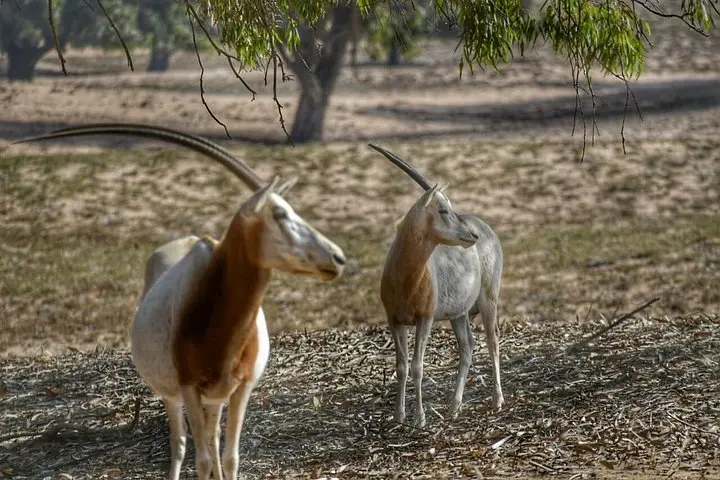
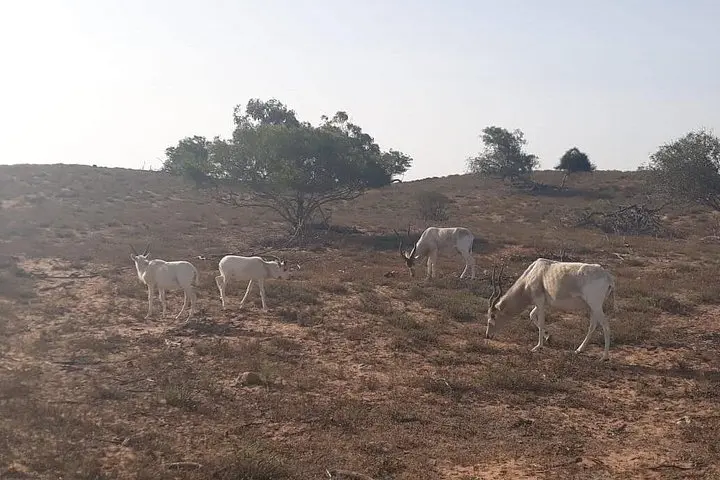
A salt-wind pushes across the low coastal plain as the convoy of 4x4s slips through scrub and dunes toward the Massa estuary. You arrive at the park gate where a small museum frames the story — specimens, maps and displays introduce the scimitar-horned oryx, bald ibis and dorcas gazelle you’ll hunt for with your eyes rather than guns.
Verified experiences and guided adventures in the surrounding area.
Operated by The Moroccan Secret Tours · Agadir, Souss-Massa
A salt-wind pushes across the low coastal plain as the convoy of 4x4s slips through scrub and dunes toward the Massa estuary. You arrive at the park gate where a small museum frames the story — specimens, maps and displays introduce the scimitar-horned oryx, bald ibis and dorcas gazelle you’ll hunt for with your eyes rather than guns.
Souss Massa occupies a narrow ribbon of Atlantic coast south of Agadir where river, sand and limestone cliffs meet. The park conserves coastal dunes, saline flats and marsh fed by the Souss River; those habitats once supported larger herds and now host breeding programs and reintroduction efforts for endangered species. The region has long been shaped by Berber fishing and irrigated agriculture in the Souss valley, and park guides often weave cultural notes about local villages and migratory bird routes into the drive.
Practically, the tour is a half-day (about 4–5 hours) in an air-conditioned vehicle with extended stops for photography and short walks. Expect mostly flat, sandy terrain punctuated by scrub and tidal flats; wildlife sightings demand patience and silence rather than strenuous hiking. Bring binoculars and sun protection, stay inside marked vehicles where instructed, and allow extra time in early morning or late afternoon when birds and mammals are most active.
On-site, the museum and interpretation center provide context for the park’s conservation projects; guides will point out reintroduced oryx, addax enclosures and resident bald ibis colonies. For photographers and nature lovers, the blend of coastal light, wind-sculpted dunes and rare species makes a compact, accessible safari that rewards quiet observation and basic preparation.
The excursion runs about 4–5 hours, including museum time at the entrance and several vehicle-based stops inside the park.
Short guided walks at designated stops are common, but most wildlife viewing is done from the 4x4 for safety and to limit disturbance.
Early morning and late afternoon offer the highest likelihood of sightings when animals are most active; migratory birds peak in spring and autumn.
Yes—infant seats are available and the tour is suitable for a wide range of ages, but those with cardiovascular issues should consult their doctor.
The Moroccan Secret Tours operates guided outdoor trips and adventures with an emphasis on safety, stewardship, and memorable experiences.
A salt-wind pushes across the low coastal plain as the convoy of 4x4s slips through scrub and dunes toward the Massa estuary. You arrive at the park gate where a small museum frames the story — specimens, maps and displays introduce the scimitar-horned oryx, bald ibis and dorcas gazelle you’ll hunt for with your eyes rather than guns.
A salt-wind pushes across the low coastal plain as the convoy of 4x4s slips through scrub and dunes toward the Massa estuary. You arrive at the park gate where a small museum frames the story — specimens, maps and displays introduce the scimitar-horned oryx, bald ibis and dorcas gazelle you’ll hunt for with your eyes rather than guns.
Souss Massa occupies a narrow ribbon of Atlantic coast south of Agadir where river, sand and limestone cliffs meet. The park conserves coastal dunes, saline flats and marsh fed by the Souss River; those habitats once supported larger herds and now host breeding programs and reintroduction efforts for endangered species. The region has long been shaped by Berber fishing and irrigated agriculture in the Souss valley, and park guides often weave cultural notes about local villages and migratory bird routes into the drive.
Practically, the tour is a half-day (about 4–5 hours) in an air-conditioned vehicle with extended stops for photography and short walks. Expect mostly flat, sandy terrain punctuated by scrub and tidal flats; wildlife sightings demand patience and silence rather than strenuous hiking. Bring binoculars and sun protection, stay inside marked vehicles where instructed, and allow extra time in early morning or late afternoon when birds and mammals are most active.
On-site, the museum and interpretation center provide context for the park’s conservation projects; guides will point out reintroduced oryx, addax enclosures and resident bald ibis colonies. For photographers and nature lovers, the blend of coastal light, wind-sculpted dunes and rare species makes a compact, accessible safari that rewards quiet observation and basic preparation.