THE ADVENTURE COLLECTIVE® · Independent discovery and booking for outdoor travel

Spend a day exploring Iceland’s south coast: walk behind Seljalandsfoss, watch Skógafoss roar, hike across Solheimajökull with crampons, and stroll Vík’s black sand. This guided day trip pairs geology and local lore with practical glacier skills.
Spend a day exploring Iceland’s south coast: walk behind Seljalandsfoss, watch Skógafoss roar, hike across Solheimajökull with crampons, and stroll Vík’s black sand. This guided day trip pairs geology and local lore with practical glacier skills.
You step off the coach into Iceland’s southern wind — cold, clean air that cuts through layers and sharpens the landscape. A short walk brings Seljalandsfoss into view; water strips itself from the cliff and dares you to pass behind its curtain. Down the road, Skógafoss thunders, throwing a constant mist that ferments local legends and bright rainbows.
Verified experiences and guided adventures in the surrounding area.
Operated by Gravel Travel · Reykjavík, Suðurland
You step off the coach into Iceland’s southern wind — cold, clean air that cuts through layers and sharpens the landscape. A short walk brings Seljalandsfoss into view; water strips itself from the cliff and dares you to pass behind its curtain. Down the road, Skógafoss thunders, throwing a constant mist that ferments local legends and bright rainbows.
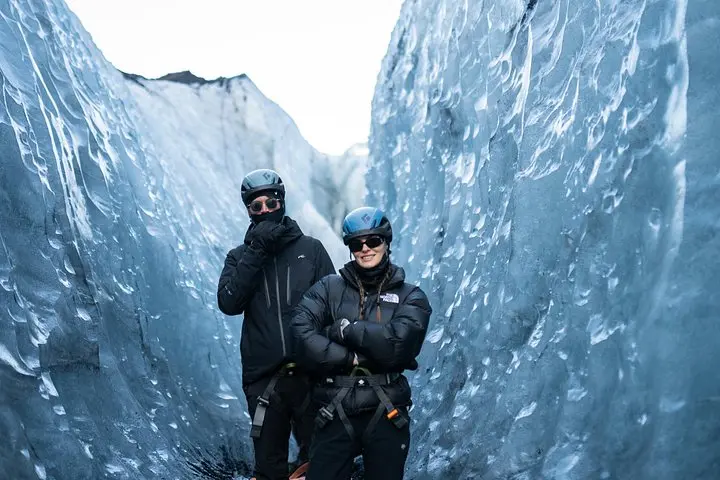
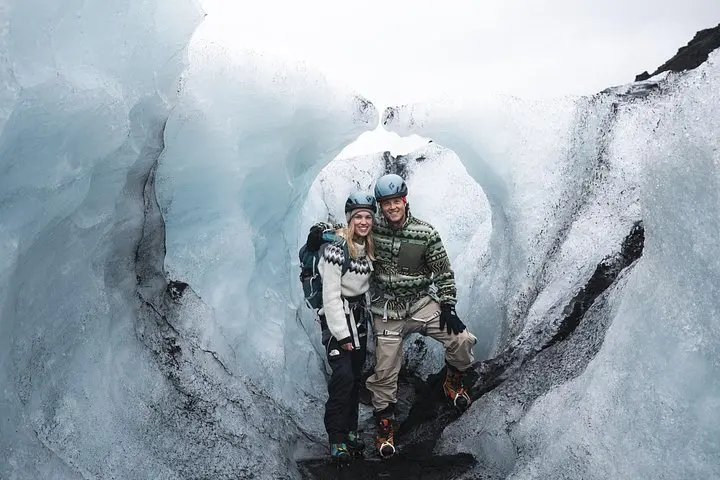
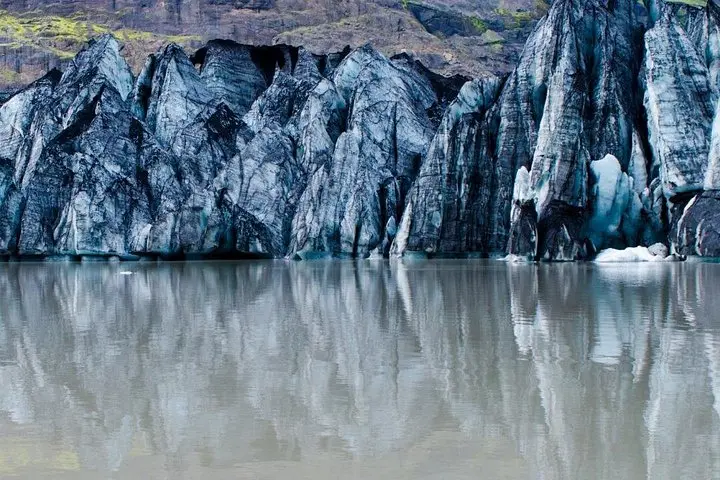
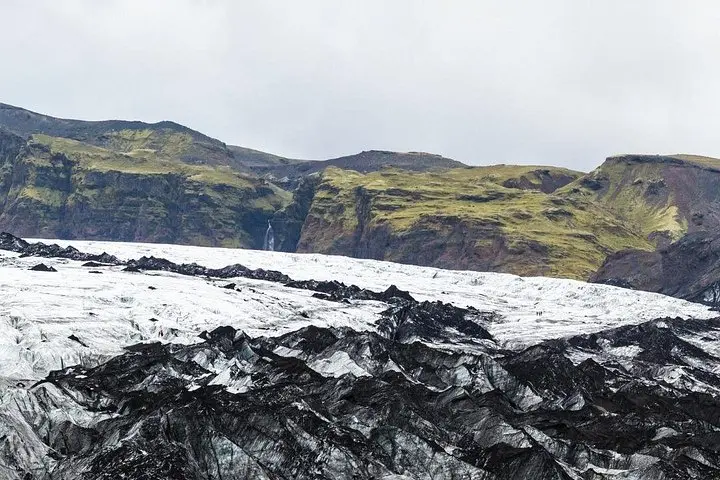
This full‑day route threads volcanic plateau, glaciers, and coastline. Solheimajökull — an outlet tongue of the larger Mýrdalsjökull ice cap — offers a hands‑on introduction to glacial form: blue crevasses, pressure ridges and melt channels carved over centuries and now reshaped by recent retreat. Vík’s black sand arrives like a different planet: basalt columns and sea stacks rise from an Atlantic wash that has driven both geology and folklore here.
Culturally, the south coast is shaped by settlement and survival: turf farms, sagas of shipwrecked sailors, and place names that record eruptions and floods. Guides combine that context with practical instruction. Expect 2–3 hours on the glacier with crampons and helmets provided; guides brief on safety, crest crossings and route choice as the ice changes.
Practical edge: dress in waterproof layers, wear sturdy boots that lace above the ankle, and bring sun and wind protection. Timing matters — low light changes the ice and coastal weather turns fast — so expect a rigorous but accessible day that balances storytelling, geology and hands‑on glacial travel.
No — guides provide crampons, helmets and instruction; however, you should be comfortable walking on uneven and slippery surfaces.
Transport from Reykjavík, guide fees, glacier safety equipment (helmet, harness, crampons), and stops at listed waterfalls and beaches are included as described by the operator.
Glacial temps can feel near freezing with wind chill; children should have full waterproof layers, insulated gloves and warm footwear — consult the operator for age limits.
Yes — local weather and glacier conditions can force route or timing changes; tours may be canceled for safety with refund or rebooking options.
Gravel Travel operates guided outdoor trips and adventures with an emphasis on safety, stewardship, and memorable experiences.
You step off the coach into Iceland’s southern wind — cold, clean air that cuts through layers and sharpens the landscape. A short walk brings Seljalandsfoss into view; water strips itself from the cliff and dares you to pass behind its curtain. Down the road, Skógafoss thunders, throwing a constant mist that ferments local legends and bright rainbows.
You step off the coach into Iceland’s southern wind — cold, clean air that cuts through layers and sharpens the landscape. A short walk brings Seljalandsfoss into view; water strips itself from the cliff and dares you to pass behind its curtain. Down the road, Skógafoss thunders, throwing a constant mist that ferments local legends and bright rainbows.
This full‑day route threads volcanic plateau, glaciers, and coastline. Solheimajökull — an outlet tongue of the larger Mýrdalsjökull ice cap — offers a hands‑on introduction to glacial form: blue crevasses, pressure ridges and melt channels carved over centuries and now reshaped by recent retreat. Vík’s black sand arrives like a different planet: basalt columns and sea stacks rise from an Atlantic wash that has driven both geology and folklore here.
Culturally, the south coast is shaped by settlement and survival: turf farms, sagas of shipwrecked sailors, and place names that record eruptions and floods. Guides combine that context with practical instruction. Expect 2–3 hours on the glacier with crampons and helmets provided; guides brief on safety, crest crossings and route choice as the ice changes.
Practical edge: dress in waterproof layers, wear sturdy boots that lace above the ankle, and bring sun and wind protection. Timing matters — low light changes the ice and coastal weather turns fast — so expect a rigorous but accessible day that balances storytelling, geology and hands‑on glacial travel.