THE ADVENTURE COLLECTIVE® · Independent discovery and booking for outdoor travel

A focused 3-night exploration of Sri Lanka’s southern shoreline—Galle’s colonial ramparts, Mirissa whale-watching launches and Bentota’s beaches—paired with short coastal transfers and simple 3-star accommodation. Rise early for the best chance to see blue whales and keep afternoons for snorkeling or river boat rides.
A focused 3-night exploration of Sri Lanka’s southern shoreline—Galle’s colonial ramparts, Mirissa whale-watching launches and Bentota’s beaches—paired with short coastal transfers and simple 3-star accommodation. Rise early for the best chance to see blue whales and keep afternoons for snorkeling or river boat rides.
Dawn in Mirissa arrives as a low swell pushes the wooden pirogue from the sand; gulls argue with the breakers and the boat’s engine hums a steady promise of open water. Within an hour the shoreline slips away and the ocean begins to offer its main act—blue whales that surface like slow exhalations and pods of dolphins threading the wake.
Verified experiences and guided adventures in the surrounding area.
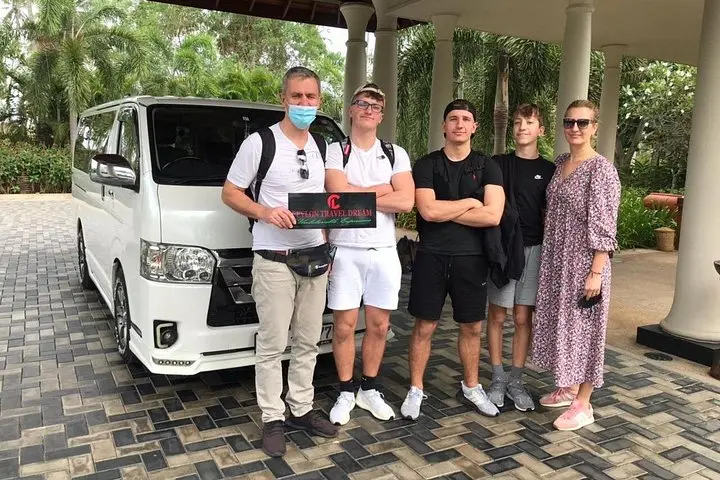
Operated by Ceylon Travel Dream · Mirissa, Southern Province
Dawn in Mirissa arrives as a low swell pushes the wooden pirogue from the sand; gulls argue with the breakers and the boat’s engine hums a steady promise of open water. Within an hour the shoreline slips away and the ocean begins to offer its main act—blue whales that surface like slow exhalations and pods of dolphins threading the wake.
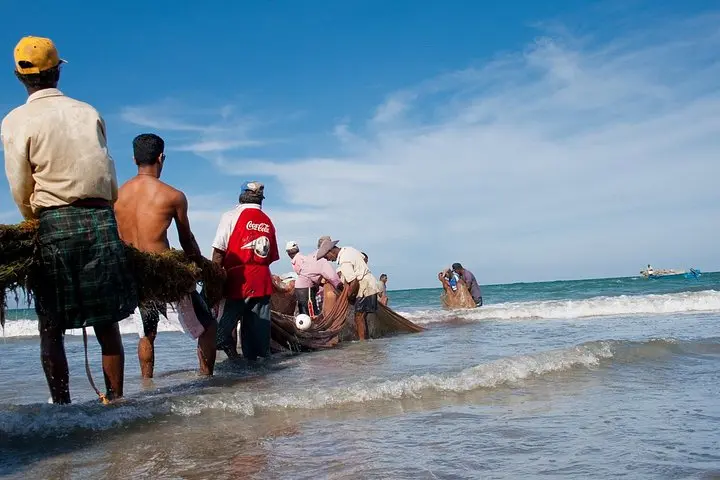
The south coast has been shaped by centuries of trade and colonization: Galle’s stone fort records Portuguese and Dutch layers of history, while the coral gardens off Hikkaduwa and Bentota’s estuary reflect the island’s long relationship with the sea. Geologically, this coastline alternates sandy spits, rocky outcrops and mangrove-draped estuaries such as the Ramsar-listed Madu River. Culturally you’ll pass fishermen repairing nets, toddy tappers and small-family guesthouses serving rice, fresh fish and coconut curries.
Practically: this 3-night itinerary moves between Negombo, Galle, Mirissa and Bentota with hotel stays at simple 3-star properties and boat trips up to four hours when whales are being sought. November–April is peak whale season; sea conditions vary daily so plan flexible mornings for whale watching and afternoon beach time. Bring seasickness medication, high-SPF sun protection, reef-safe sunscreen for snorkeling, and modest clothes for visits to Galle’s fort and Colombo’s temples. Expect dusty transfers on coastal roads, short guided walks, and relaxed beach days—hydration, layered sun protection and a willingness to rise early make the trip work best. For travelers drawn to big-sea encounters, this tour pairs easy coastal sightseeing with reliable opportunities to meet some of the ocean’s largest residents.
The main season is November through April on the south coast; mornings are usually calmer and offer better sighting conditions.
Trips vary but can last up to four hours depending on sightings and sea conditions; operators provide water and basic snacks.
Many operators accommodate a wide age range but consider sea conditions and mobility—those with mobility issues may find boarding small boats difficult.
Most visitors need a visa for Sri Lanka—check current ETA requirements—and basic routine vaccinations are recommended; consult a travel clinic for personalized advice.
Ceylon Travel Dream operates guided outdoor trips and adventures with an emphasis on safety, stewardship, and memorable experiences.

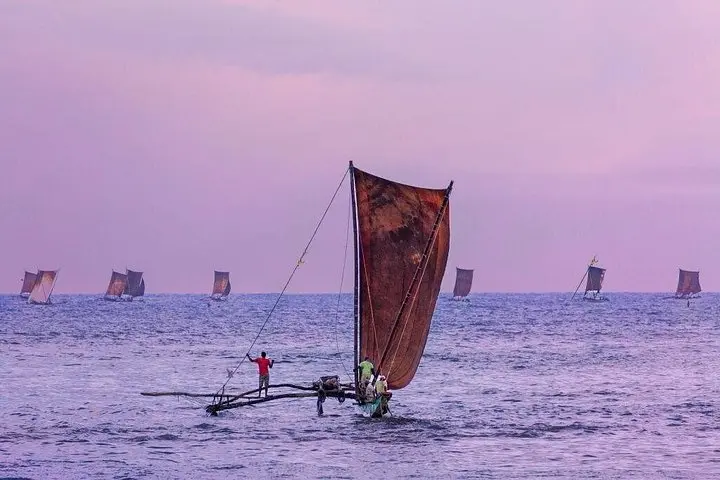
Dawn in Mirissa arrives as a low swell pushes the wooden pirogue from the sand; gulls argue with the breakers and the boat’s engine hums a steady promise of open water. Within an hour the shoreline slips away and the ocean begins to offer its main act—blue whales that surface like slow exhalations and pods of dolphins threading the wake.
Dawn in Mirissa arrives as a low swell pushes the wooden pirogue from the sand; gulls argue with the breakers and the boat’s engine hums a steady promise of open water. Within an hour the shoreline slips away and the ocean begins to offer its main act—blue whales that surface like slow exhalations and pods of dolphins threading the wake.
The south coast has been shaped by centuries of trade and colonization: Galle’s stone fort records Portuguese and Dutch layers of history, while the coral gardens off Hikkaduwa and Bentota’s estuary reflect the island’s long relationship with the sea. Geologically, this coastline alternates sandy spits, rocky outcrops and mangrove-draped estuaries such as the Ramsar-listed Madu River. Culturally you’ll pass fishermen repairing nets, toddy tappers and small-family guesthouses serving rice, fresh fish and coconut curries.
Practically: this 3-night itinerary moves between Negombo, Galle, Mirissa and Bentota with hotel stays at simple 3-star properties and boat trips up to four hours when whales are being sought. November–April is peak whale season; sea conditions vary daily so plan flexible mornings for whale watching and afternoon beach time. Bring seasickness medication, high-SPF sun protection, reef-safe sunscreen for snorkeling, and modest clothes for visits to Galle’s fort and Colombo’s temples. Expect dusty transfers on coastal roads, short guided walks, and relaxed beach days—hydration, layered sun protection and a willingness to rise early make the trip work best. For travelers drawn to big-sea encounters, this tour pairs easy coastal sightseeing with reliable opportunities to meet some of the ocean’s largest residents.