THE ADVENTURE COLLECTIVE® · Independent discovery and booking for outdoor travel

Drive south from Rio to a rugged coastal edge where Prainha and Grumari offer protected surf, quiet coves, and fresh seafood. This private six-hour tour pairs short swims and lookout stops with cultural touches like Casa do Pontal.
Drive south from Rio to a rugged coastal edge where Prainha and Grumari offer protected surf, quiet coves, and fresh seafood. This private six-hour tour pairs short swims and lookout stops with cultural touches like Casa do Pontal.
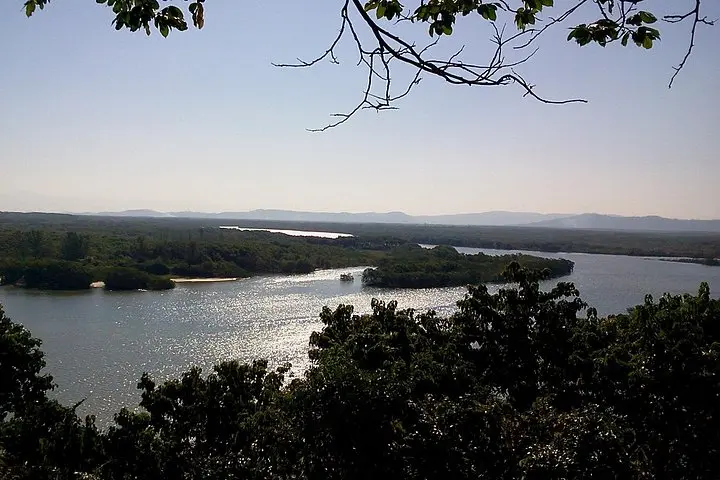
You turn the city’s grid into a ribbon of highway and, within an hour, the skyline loosens and the ocean takes command. The drive south from Rio threads past wide, urban sands at Barra and Recreio, then slips into a narrower, wilder coast where rock and Atlantic Forest meet the sea. Salt spray and the steady thump of surf set the rhythm; small coves appear between headlands, each with its own light and wind.
Verified experiences and guided adventures in the surrounding area.
Operated by MBransford Rio Private Tour · Rio de Janeiro, Rio de Janeiro
You turn the city’s grid into a ribbon of highway and, within an hour, the skyline loosens and the ocean takes command. The drive south from Rio threads past wide, urban sands at Barra and Recreio, then slips into a narrower, wilder coast where rock and Atlantic Forest meet the sea. Salt spray and the steady thump of surf set the rhythm; small coves appear between headlands, each with its own light and wind.
Geologically this stretch is the transition from the sand-dominated Barra plain to the older, rocky headlands of Prainha and Grumari — protected remnants of the Mata Atlântica. Fishing hamlets hold on to a local seafood culture; Casa do Pontal nearby preserves folk carvings and regional craft if you want a cultural pause. Surf breaks here are famous with locals; beaches are often quieter because of access limits and protected status.
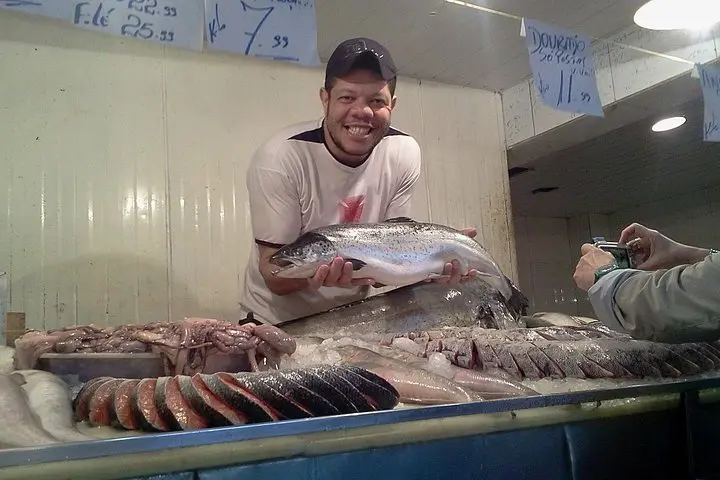
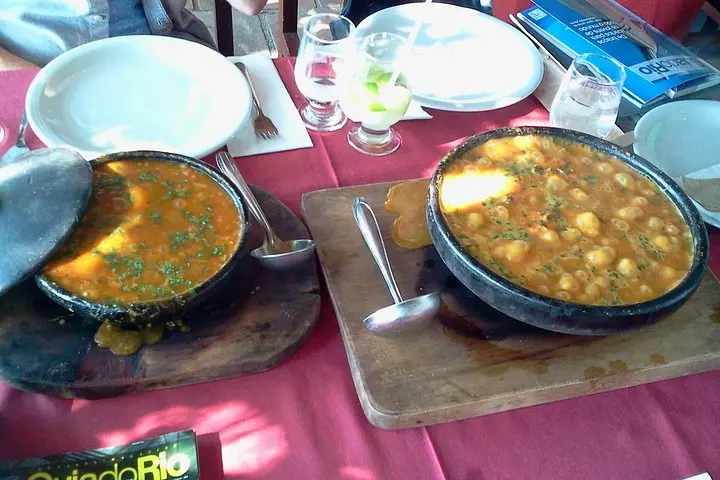
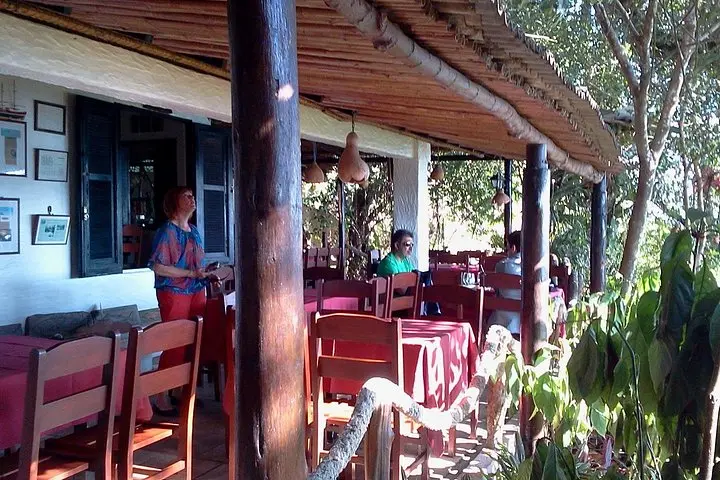
On a private tour expectations are pragmatic: coastal viewpoints, short swims when conditions allow, a possible museum stop, and lunch at a seafood restaurant in Barra or a beach kiosk. Weather determines the day — wind and swell will shape where it’s safe to swim.
Practical guidance: plan for 6 hours door-to-door, bring sun protection and reef-safe sunscreen, and wear supportive sandals or light hiking shoes for short rocky approaches. If you value quiet beaches, aim for weekdays or mornings. Respect protected areas: stick to marked paths, avoid driving on dunes, and pack out what you bring in. This is an accessible, low-effort slice of Rio’s coastal wilderness with the rhythm of surf and the convenience of a private vehicle to stitch it together.
The private tour runs approximately six hours door-to-door, typically departing from Rio neighborhoods like Barra or central pickup points.
Swimming depends on local conditions; guides will advise which coves are safe on the day—some beaches are better for sunbathing and viewing than swimming.
Lunch is not always included; the itinerary often allows for a seafood restaurant stop where guests pay for their meals.
Yes—areas like Prainha and Grumari are protected Atlantic Forest and coastal zones with access controls to preserve habitat and surf quality.
MBransford Rio Private Tour operates guided outdoor trips and adventures with an emphasis on safety, stewardship, and memorable experiences.
You turn the city’s grid into a ribbon of highway and, within an hour, the skyline loosens and the ocean takes command. The drive south from Rio threads past wide, urban sands at Barra and Recreio, then slips into a narrower, wilder coast where rock and Atlantic Forest meet the sea. Salt spray and the steady thump of surf set the rhythm; small coves appear between headlands, each with its own light and wind.
You turn the city’s grid into a ribbon of highway and, within an hour, the skyline loosens and the ocean takes command. The drive south from Rio threads past wide, urban sands at Barra and Recreio, then slips into a narrower, wilder coast where rock and Atlantic Forest meet the sea. Salt spray and the steady thump of surf set the rhythm; small coves appear between headlands, each with its own light and wind.
Geologically this stretch is the transition from the sand-dominated Barra plain to the older, rocky headlands of Prainha and Grumari — protected remnants of the Mata Atlântica. Fishing hamlets hold on to a local seafood culture; Casa do Pontal nearby preserves folk carvings and regional craft if you want a cultural pause. Surf breaks here are famous with locals; beaches are often quieter because of access limits and protected status.
On a private tour expectations are pragmatic: coastal viewpoints, short swims when conditions allow, a possible museum stop, and lunch at a seafood restaurant in Barra or a beach kiosk. Weather determines the day — wind and swell will shape where it’s safe to swim.
Practical guidance: plan for 6 hours door-to-door, bring sun protection and reef-safe sunscreen, and wear supportive sandals or light hiking shoes for short rocky approaches. If you value quiet beaches, aim for weekdays or mornings. Respect protected areas: stick to marked paths, avoid driving on dunes, and pack out what you bring in. This is an accessible, low-effort slice of Rio’s coastal wilderness with the rhythm of surf and the convenience of a private vehicle to stitch it together.