THE ADVENTURE COLLECTIVE® · Independent discovery and booking for outdoor travel

A full-day private tour that stitches Iceland’s South Coast highlights into one compact, dramatic route — waterfalls, black sand, sea stacks and a guided glacier walk at Sólheimajökull. Expect long days, variable weather and up-close geology.
A full-day private tour that stitches Iceland’s South Coast highlights into one compact, dramatic route — waterfalls, black sand, sea stacks and a guided glacier walk at Sólheimajökull. Expect long days, variable weather and up-close geology.
You step out of the van onto a wind-carved shoulder of the Ring Road and the coast opens like a raw sketch: waterfalls hammering off cliffs, black sand stretching to an angry sea, and a glacier tongue breathing cold air over volcanic rock.
Verified experiences and guided adventures in the surrounding area.
Operated by Otto The Viking · Reykjavik, Suðurland
You step out of the van onto a wind-carved shoulder of the Ring Road and the coast opens like a raw sketch: waterfalls hammering off cliffs, black sand stretching to an angry sea, and a glacier tongue breathing cold air over volcanic rock.
This day tour threads through the South Coast’s dramatic chapters — Seljalandsfoss, where water drops through a volcanic escarpment and you can walk behind the veil; Gljúfrabúi tucked inside a slot canyon; the thunder of Skógafoss; Reynisfjara’s basalt columns and the Dyrhólaey arch; ending with a guided scramble across the blue-gray ice of Sólheimajökull.
Geology writes the script here: repeated eruptions from Katla and Mýrdalsjökull, layered lava flows and the grinding advance and retreat of outlet glaciers, create the sharp contrasts you move between. Human history is compact but storied — Viking-age farms dotting the landscape, place names that still recall sagas and eruptions.
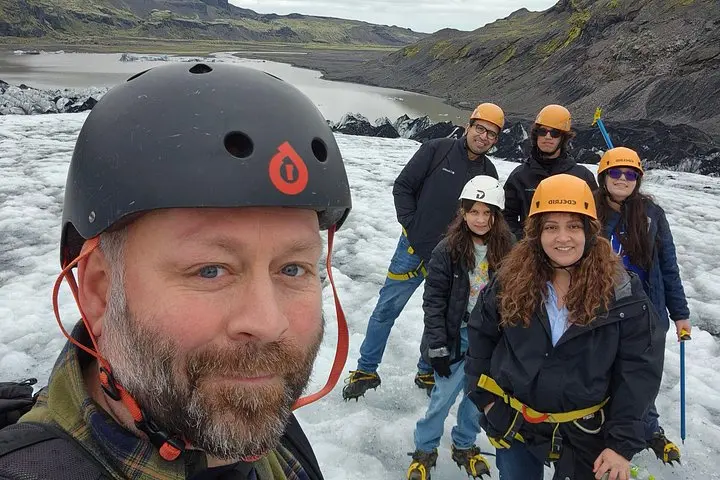
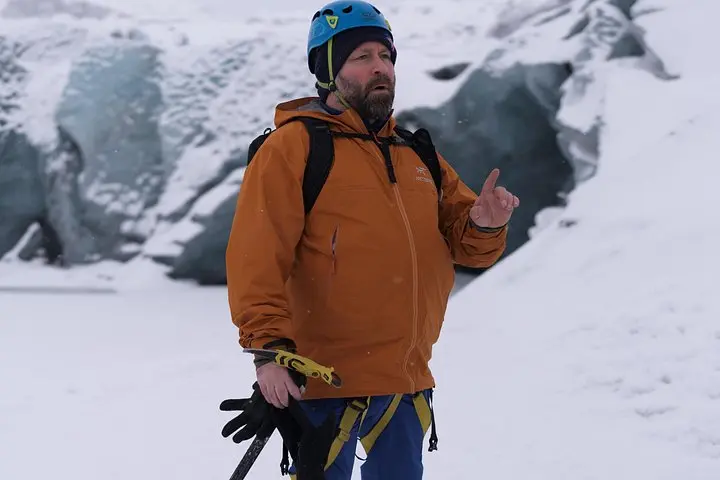
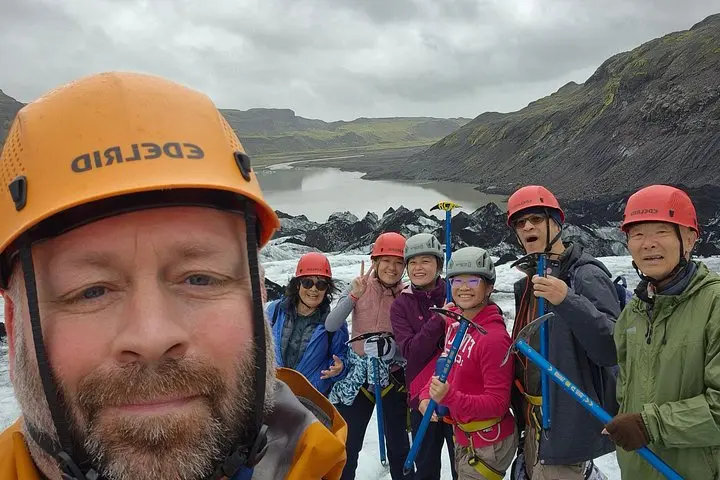
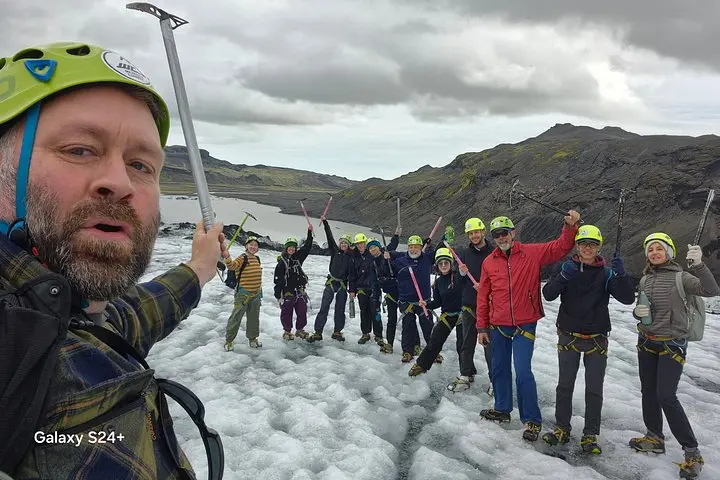
Practically, expect a full day (about 10 hours) with multiple short stops and a 1–3 hour guided glacier walk. Guides supply helmets, harnesses and crampons; guests need sturdy, waterproof boots, warm layers, and the ability to manage uneven ice and wet ground. Weather shifts fast — bright sun can give way to wind and spray — so plan for layered clothing, stable footwear, and a charged phone for photos.
Timing your visit in summer gives long daylight and birdlife at the cliffs; shoulder seasons offer fewer people but colder, more changeable conditions. Stick to marked paths, follow guide instructions on the ice, and you’ll leave with sharp photos and a clear sense of why Iceland’s south coast draws travelers who want scenery and a direct, tactile encounter with glacial landscapes.
You should have moderate fitness: able to walk 2–3 hours at a steady pace on uneven terrain and climb short icy slopes with a guide’s assistance.
Yes—guides provide crampons, helmets and harnesses as part of the activity; bring suitable boots to fit the crampons.
Tours may be cancelled or rerouted for safety in severe weather; operators typically offer full refunds if canceled at least 24 hours prior per the policy.
This glacier hike is not recommended for pregnant travelers or people with serious back or heart conditions; infants must typically sit on laps for transport and cannot do the glacier portion.
Otto The Viking operates guided outdoor trips and adventures with an emphasis on safety, stewardship, and memorable experiences.
You step out of the van onto a wind-carved shoulder of the Ring Road and the coast opens like a raw sketch: waterfalls hammering off cliffs, black sand stretching to an angry sea, and a glacier tongue breathing cold air over volcanic rock.
You step out of the van onto a wind-carved shoulder of the Ring Road and the coast opens like a raw sketch: waterfalls hammering off cliffs, black sand stretching to an angry sea, and a glacier tongue breathing cold air over volcanic rock.
This day tour threads through the South Coast’s dramatic chapters — Seljalandsfoss, where water drops through a volcanic escarpment and you can walk behind the veil; Gljúfrabúi tucked inside a slot canyon; the thunder of Skógafoss; Reynisfjara’s basalt columns and the Dyrhólaey arch; ending with a guided scramble across the blue-gray ice of Sólheimajökull.
Geology writes the script here: repeated eruptions from Katla and Mýrdalsjökull, layered lava flows and the grinding advance and retreat of outlet glaciers, create the sharp contrasts you move between. Human history is compact but storied — Viking-age farms dotting the landscape, place names that still recall sagas and eruptions.
Practically, expect a full day (about 10 hours) with multiple short stops and a 1–3 hour guided glacier walk. Guides supply helmets, harnesses and crampons; guests need sturdy, waterproof boots, warm layers, and the ability to manage uneven ice and wet ground. Weather shifts fast — bright sun can give way to wind and spray — so plan for layered clothing, stable footwear, and a charged phone for photos.
Timing your visit in summer gives long daylight and birdlife at the cliffs; shoulder seasons offer fewer people but colder, more changeable conditions. Stick to marked paths, follow guide instructions on the ice, and you’ll leave with sharp photos and a clear sense of why Iceland’s south coast draws travelers who want scenery and a direct, tactile encounter with glacial landscapes.