THE ADVENTURE COLLECTIVE® · Independent discovery and booking for outdoor travel

Spend a long day along Iceland’s south coast visiting the discreet Kvernufoss falls, the Viking-era Rútshellir cave, the ash-streaked Sólheimajökull glacier and the Vík Lava Show — a compact route that pairs quiet nature with hands-on geology.
Spend a long day along Iceland’s south coast visiting the discreet Kvernufoss falls, the Viking-era Rútshellir cave, the ash-streaked Sólheimajökull glacier and the Vík Lava Show — a compact route that pairs quiet nature with hands-on geology.
You step off the minibus into the cold, briny air of Iceland’s south coast and the landscape immediately rearranges your pace: cliffs hunch toward the stormy sea, a glacier grumbles inland, and basalt columns keep a silent watch over black sand.
Verified experiences and guided adventures in the surrounding area.
Operated by Lilja Tours ehf. · Vík, Southern Region
You step off the minibus into the cold, briny air of Iceland’s south coast and the landscape immediately rearranges your pace: cliffs hunch toward the stormy sea, a glacier grumbles inland, and basalt columns keep a silent watch over black sand.
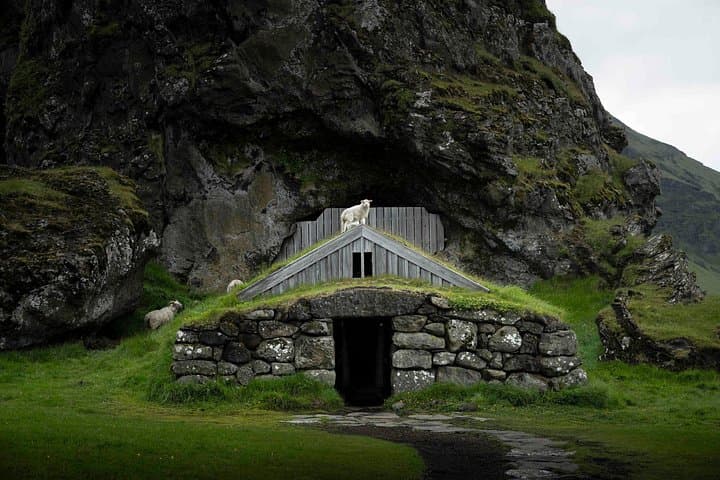
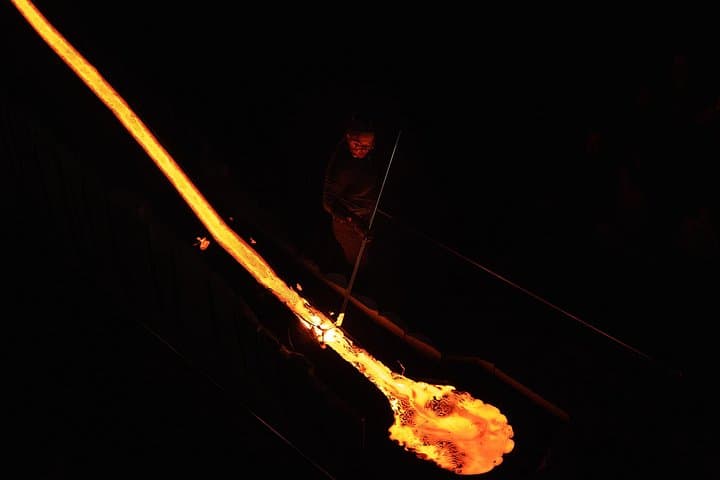
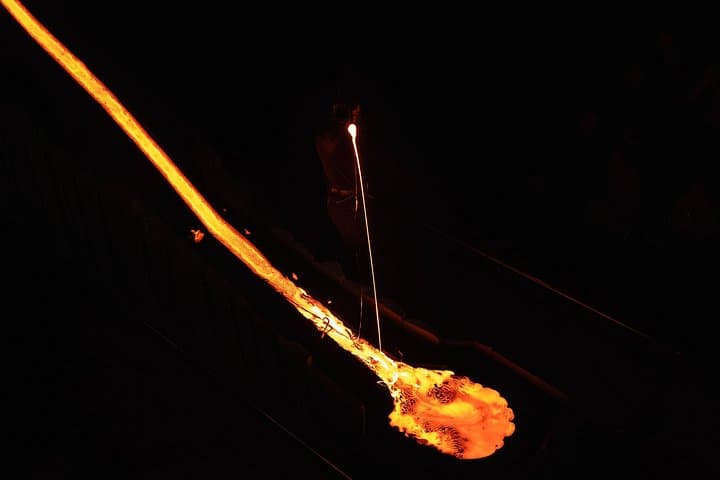
This full-day route threads quiet highlights — Kvernufoss’s narrow gorge where you can walk behind the curtain of water; Rútshellir, a turf-covered cave with Viking-era stories etched in its stones; the raw, ash-streaked ice of Sólheimajökull; and finally the Lava Show in Vík where molten rock is demonstrated in a controlled, theatrical setting.
Geologically the area is born of fire and ice. Mýrdalsjökull’s glacier and nearby katla-related volcanism sculpt the cliffs and flood plains; basalt columns and sea stacks are the coastline’s hard-won grammar. Culturally, isolated farms and turf structures speak to centuries of adaptation — caves like Rútshellir were practical refuges that became folklore anchors.
Practicalities: expect a long day (about 10–11 hours) with multiple short walks on uneven ground, wet spray behind waterfalls, and icy reaches around the glacier. Dress in windproof, waterproof layers and sturdy boots with grip; bring a daypack, water, and a camera with weather protection. Timing matters — low light sharpens cliffs and reduces crowds, while summer brings longer daylight and easier access. Guides handle transport and Lava Show admission, but visitors should follow safety briefings around ice and live demonstrations.
This itinerary balances quiet moments of discovery with flashes of raw geology: rivers daring you forward, a glacier that moves and creaks, and lava that reminds you the island is still alive.
The itinerary runs approximately 10–11 hours, including transport time from Reykjavík and stops at several sites.
Yes — the Lava Show is an indoor, controlled demonstration; follow staff guidance and note it may be intense for very young children.
Yes, a short, well-marked path allows visitors to walk behind the waterfall; surfaces can be slippery so use care.
For basic viewing you do not, but if joining a glacier hike you should use crampons provided by guided operators and follow their safety briefing.
Lilja Tours ehf. operates guided outdoor trips and adventures with an emphasis on safety, stewardship, and memorable experiences.
You step off the minibus into the cold, briny air of Iceland’s south coast and the landscape immediately rearranges your pace: cliffs hunch toward the stormy sea, a glacier grumbles inland, and basalt columns keep a silent watch over black sand.
You step off the minibus into the cold, briny air of Iceland’s south coast and the landscape immediately rearranges your pace: cliffs hunch toward the stormy sea, a glacier grumbles inland, and basalt columns keep a silent watch over black sand.
This full-day route threads quiet highlights — Kvernufoss’s narrow gorge where you can walk behind the curtain of water; Rútshellir, a turf-covered cave with Viking-era stories etched in its stones; the raw, ash-streaked ice of Sólheimajökull; and finally the Lava Show in Vík where molten rock is demonstrated in a controlled, theatrical setting.
Geologically the area is born of fire and ice. Mýrdalsjökull’s glacier and nearby katla-related volcanism sculpt the cliffs and flood plains; basalt columns and sea stacks are the coastline’s hard-won grammar. Culturally, isolated farms and turf structures speak to centuries of adaptation — caves like Rútshellir were practical refuges that became folklore anchors.
Practicalities: expect a long day (about 10–11 hours) with multiple short walks on uneven ground, wet spray behind waterfalls, and icy reaches around the glacier. Dress in windproof, waterproof layers and sturdy boots with grip; bring a daypack, water, and a camera with weather protection. Timing matters — low light sharpens cliffs and reduces crowds, while summer brings longer daylight and easier access. Guides handle transport and Lava Show admission, but visitors should follow safety briefings around ice and live demonstrations.
This itinerary balances quiet moments of discovery with flashes of raw geology: rivers daring you forward, a glacier that moves and creaks, and lava that reminds you the island is still alive.