THE ADVENTURE COLLECTIVE® · Independent discovery and booking for outdoor travel

Spend a day on Iceland’s South Coast visiting Skógafoss, Reynisfjara black sand beach, Sólheimajökull glacier and Seljalandsfoss on a guided small-group tour. Expect dramatic geology, quick-changing weather and several short walks ideal for photographers.
Spend a day on Iceland’s South Coast visiting Skógafoss, Reynisfjara black sand beach, Sólheimajökull glacier and Seljalandsfoss on a guided small-group tour. Expect dramatic geology, quick-changing weather and several short walks ideal for photographers.
You step out of the minibus to a wind that seems to push the landscape into motion: water hammers down cliffs, gravel and black sand trace the shoreline, and the horizon is a hard line between sea and sky. The South Coast tour threads these sensations together in a single day — Skógafoss’s 60m curtain, the basalt organs of Reynisfjara, the glacier tongue of Sólheimajökull and the walk-behind veil at Seljalandsfoss.
Verified experiences and guided adventures in the surrounding area.
Operated by Holiday Tours · Vík í Mýrdal, Southern Region
You step out of the minibus to a wind that seems to push the landscape into motion: water hammers down cliffs, gravel and black sand trace the shoreline, and the horizon is a hard line between sea and sky. The South Coast tour threads these sensations together in a single day — Skógafoss’s 60m curtain, the basalt organs of Reynisfjara, the glacier tongue of Sólheimajökull and the walk-behind veil at Seljalandsfoss.
Geology here reads like a field guide to Icelandic forces: lava flows cooled into hexagonal basalt at Reynisfjara, volcanic ash and glacial action sculpt the beaches, and the Myrdalsjökull ice cap feeds outlet glaciers that still carve the valleys. Culturally, the coast is linked to fishing villages like Vík and to sagas and sea lore — the Reynisdrangar sea stacks have origin stories that guide local storytelling.
Expect layered weather: sun can turn to drizzle in an hour, and spray from falls demands waterproof protection. Guides on small-group runs point out safe viewpoints, local history, and the environmental stakes as glaciers retreat. Plan for ten hours away from Reykjavík with multiple short walks and photo stops.
Practical guidance: wear waterproof boots with grip, bring a windproof shell and warm mid-layer, carry snacks and water, and keep camera batteries warm. Respect fenced areas and cliff edges — the sea and currents are active agents here. If you want to walk behind Seljalandsfoss or explore the mouth of Gljúfrabúi, choose footwear you don’t mind getting wet and allow time for slower footing on uneven steps.
The tour runs about 10 hours with several scheduled stops; expect short walks (5–60 minutes) at each site and time for photos and viewpoints.
Yes — spray is heavy at close range. Guides advise waterproof clothing and may recommend staying on designated paths when conditions are slippery.
Yes; the operator lists the tour as physically easy, though some paths have steps and uneven ground—strollers aren’t suitable for most viewpoints.
No — the visit is a viewpoint and short walk to the glacier edge; guided glacier hikes require additional equipment and experience not included in this tour.
Holiday Tours operates guided outdoor trips and adventures with an emphasis on safety, stewardship, and memorable experiences.
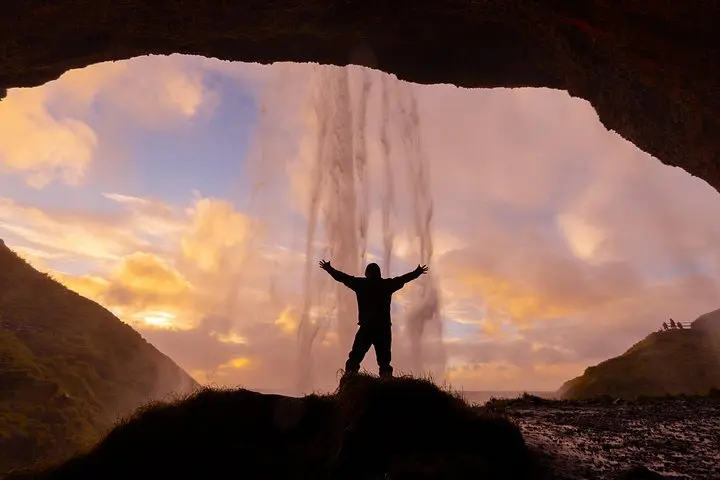
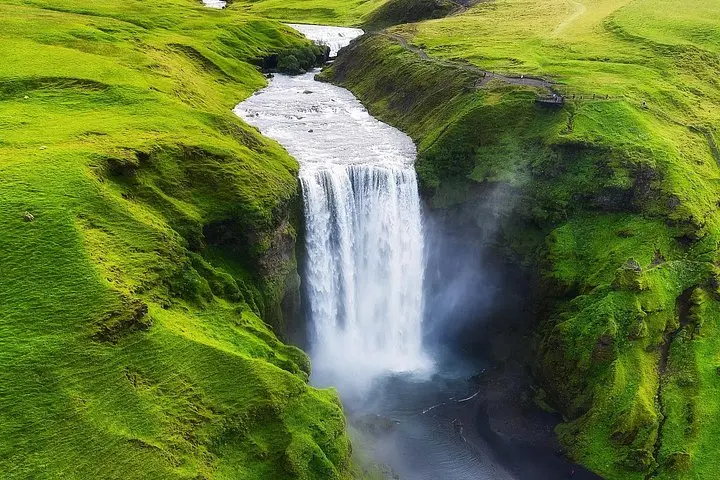
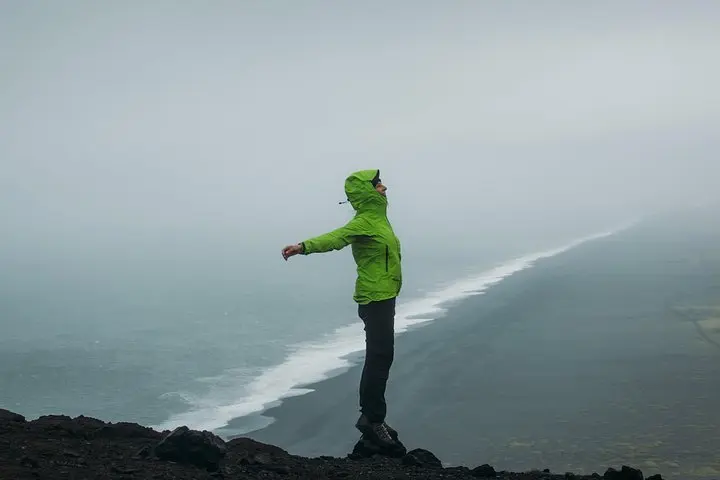
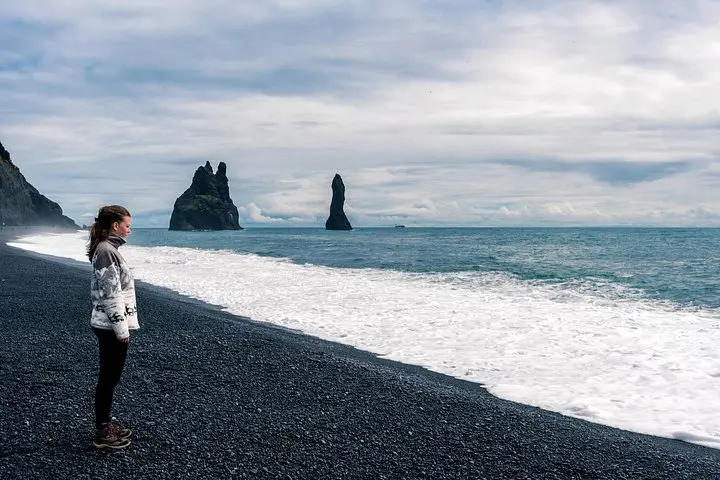
You step out of the minibus to a wind that seems to push the landscape into motion: water hammers down cliffs, gravel and black sand trace the shoreline, and the horizon is a hard line between sea and sky. The South Coast tour threads these sensations together in a single day — Skógafoss’s 60m curtain, the basalt organs of Reynisfjara, the glacier tongue of Sólheimajökull and the walk-behind veil at Seljalandsfoss.
You step out of the minibus to a wind that seems to push the landscape into motion: water hammers down cliffs, gravel and black sand trace the shoreline, and the horizon is a hard line between sea and sky. The South Coast tour threads these sensations together in a single day — Skógafoss’s 60m curtain, the basalt organs of Reynisfjara, the glacier tongue of Sólheimajökull and the walk-behind veil at Seljalandsfoss.
Geology here reads like a field guide to Icelandic forces: lava flows cooled into hexagonal basalt at Reynisfjara, volcanic ash and glacial action sculpt the beaches, and the Myrdalsjökull ice cap feeds outlet glaciers that still carve the valleys. Culturally, the coast is linked to fishing villages like Vík and to sagas and sea lore — the Reynisdrangar sea stacks have origin stories that guide local storytelling.
Expect layered weather: sun can turn to drizzle in an hour, and spray from falls demands waterproof protection. Guides on small-group runs point out safe viewpoints, local history, and the environmental stakes as glaciers retreat. Plan for ten hours away from Reykjavík with multiple short walks and photo stops.
Practical guidance: wear waterproof boots with grip, bring a windproof shell and warm mid-layer, carry snacks and water, and keep camera batteries warm. Respect fenced areas and cliff edges — the sea and currents are active agents here. If you want to walk behind Seljalandsfoss or explore the mouth of Gljúfrabúi, choose footwear you don’t mind getting wet and allow time for slower footing on uneven steps.