THE ADVENTURE COLLECTIVE® · Independent discovery and booking for outdoor travel

Experience Iceland’s south coast in a single, full-day circuit: walk behind Seljalandsfoss, hike on Sólheimajökull’s blue ice, stroll Reynisfjara’s black sands and stand before the thunder of Skógafoss. Practical tips and what to expect for each stop inside.
Experience Iceland’s south coast in a single, full-day circuit: walk behind Seljalandsfoss, hike on Sólheimajökull’s blue ice, stroll Reynisfjara’s black sands and stand before the thunder of Skógafoss. Practical tips and what to expect for each stop inside.
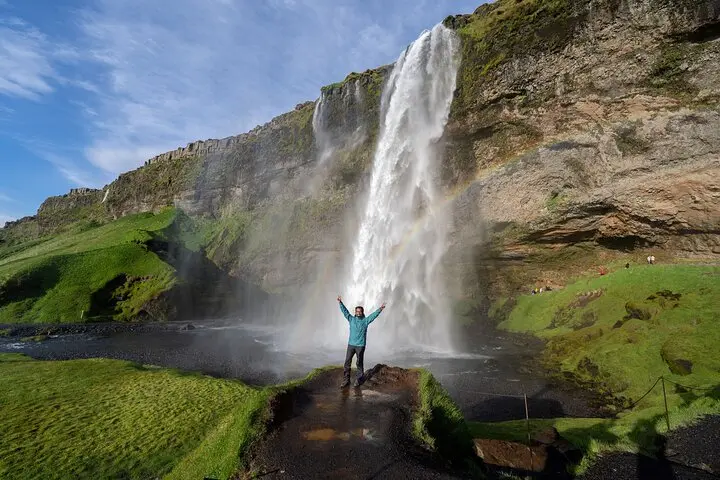
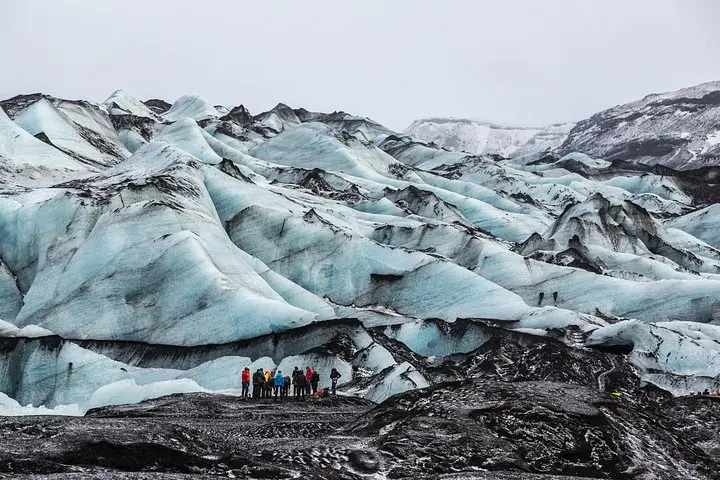
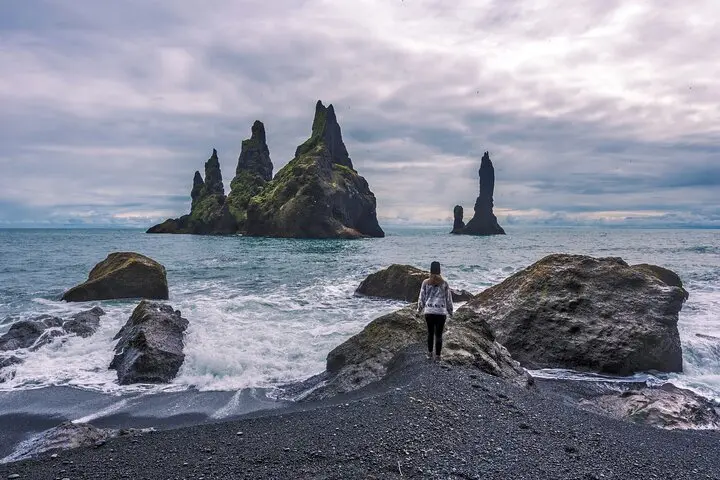
A raw stretch of coastline opens as the bus moves out of Reykjavík: black sand seams the beaches, glaciers crown the distant ridgelines, and waterfalls find every drop of height to throw themselves over. You step off near Seljalandsfoss and the curtain of water seems to breathe — spray daring you closer as you walk the path behind it. Later, the glacier at Sólheimajökull creaks and sighs like an old ship as your guide leads you across blue ice and lunarscape moraine.
Verified experiences and guided adventures in the surrounding area.
Operated by Arctic Adventures · Reykjavík, Southern Region
A raw stretch of coastline opens as the bus moves out of Reykjavík: black sand seams the beaches, glaciers crown the distant ridgelines, and waterfalls find every drop of height to throw themselves over. You step off near Seljalandsfoss and the curtain of water seems to breathe — spray daring you closer as you walk the path behind it. Later, the glacier at Sólheimajökull creaks and sighs like an old ship as your guide leads you across blue ice and lunarscape moraine.
Geology here is recent and loud: the landscape is shaped by volcanic eruptions, glaciers and relentless Atlantic weather. Skógafoss drops roughly 60 meters from cliffs formed by former sea cliffs and lava flows; Reynisfjara’s basalt columns are cooling fingers of a once-molten coastline. Human history is sparse but vivid — early settlers marked this coastline with turf farms and sagas about ships and storms, and the place retains a practical, weather-wise culture.
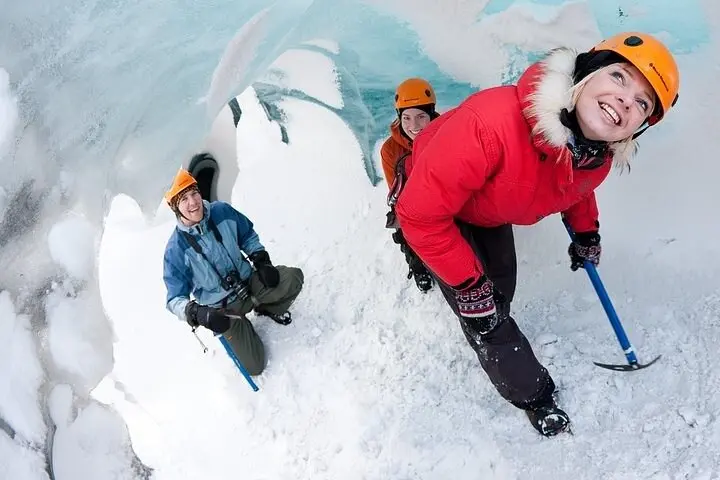
Practical guidance: the day is long — expect extensive driving with several short hikes (total walking ~3–4 km on uneven ground). Glacier gear (crampons, ice axe, harness, helmet) is provided and guides teach basic crampon technique; hiking boots with ankle support are mandatory for glacier sections. Dress in layers: wind and spray are constant so a waterproof outer shell and warm mid-layer matter more than fashion.
Timing tip: mornings are quieter at waterfalls; late afternoon often yields rainbows at Skógafoss. Keep your camera in a waterproof case and be prepared to move quickly for changing weather. This route is an efficient way to sample Iceland’s elemental contrasts in one day.
No; certified guides provide instruction, fit crampons and teach safe movement on ice — beginners are welcome if they meet footwear and age requirements.
Minimum age is 8 years; glacier crampon sizes fit EU 35–50, so guests outside that range cannot safely join the glacier section.
No; order can change if weather or safety considerations call for different routing to protect guests.
A packed lunch is requested from participants; operators typically provide water but bring snacks and extra water for the day.
Arctic Adventures operates guided outdoor trips and adventures with an emphasis on safety, stewardship, and memorable experiences.
A raw stretch of coastline opens as the bus moves out of Reykjavík: black sand seams the beaches, glaciers crown the distant ridgelines, and waterfalls find every drop of height to throw themselves over. You step off near Seljalandsfoss and the curtain of water seems to breathe — spray daring you closer as you walk the path behind it. Later, the glacier at Sólheimajökull creaks and sighs like an old ship as your guide leads you across blue ice and lunarscape moraine.
A raw stretch of coastline opens as the bus moves out of Reykjavík: black sand seams the beaches, glaciers crown the distant ridgelines, and waterfalls find every drop of height to throw themselves over. You step off near Seljalandsfoss and the curtain of water seems to breathe — spray daring you closer as you walk the path behind it. Later, the glacier at Sólheimajökull creaks and sighs like an old ship as your guide leads you across blue ice and lunarscape moraine.
Geology here is recent and loud: the landscape is shaped by volcanic eruptions, glaciers and relentless Atlantic weather. Skógafoss drops roughly 60 meters from cliffs formed by former sea cliffs and lava flows; Reynisfjara’s basalt columns are cooling fingers of a once-molten coastline. Human history is sparse but vivid — early settlers marked this coastline with turf farms and sagas about ships and storms, and the place retains a practical, weather-wise culture.
Practical guidance: the day is long — expect extensive driving with several short hikes (total walking ~3–4 km on uneven ground). Glacier gear (crampons, ice axe, harness, helmet) is provided and guides teach basic crampon technique; hiking boots with ankle support are mandatory for glacier sections. Dress in layers: wind and spray are constant so a waterproof outer shell and warm mid-layer matter more than fashion.
Timing tip: mornings are quieter at waterfalls; late afternoon often yields rainbows at Skógafoss. Keep your camera in a waterproof case and be prepared to move quickly for changing weather. This route is an efficient way to sample Iceland’s elemental contrasts in one day.