THE ADVENTURE COLLECTIVE® · Independent discovery and booking for outdoor travel

Leave the tourist beaches behind and follow a coastal trail from Plakias to secluded coves along the Libyan Sea. This guided day combines a two-hour coastal hike, swims at near-empty beaches and a seaside taverna lunch of fresh fish and local wine.
Leave the tourist beaches behind and follow a coastal trail from Plakias to secluded coves along the Libyan Sea. This guided day combines a two-hour coastal hike, swims at near-empty beaches and a seaside taverna lunch of fresh fish and local wine.
The path peels away from the low white houses of Plakias and descends toward the Libyan Sea, where wind-scoured cliffs and scattered coves open like pages of an old map. Sunlight flattens the stone into warm slabs; the olive trees throw intermittent shade. For two hours the trail threads over terraced slopes and rubble tracks, each bend revealing another stretch of deep blue that dares you to dive.
Verified experiences and guided adventures in the surrounding area.
Operated by ECO EVENTS · Plakias, Rethymno
The path peels away from the low white houses of Plakias and descends toward the Libyan Sea, where wind-scoured cliffs and scattered coves open like pages of an old map. Sunlight flattens the stone into warm slabs; the olive trees throw intermittent shade. For two hours the trail threads over terraced slopes and rubble tracks, each bend revealing another stretch of deep blue that dares you to dive.
This coastline bears layers of history—Venetian maps, Ottoman routeways and centuries of subsistence olive farming—whose traces show in dry-stone walls and small, sea-facing tavernas. Geologically the coast is limestone and schist, eroded into shelves and sudden drops that create the hidden little beaches where the tour pauses. Local culture here still revolves around fresh fish, dry Cretan wine and an easy pace that prizes long lunches and late swims.
Expect a moderate hike: rocky, sometimes loose underfoot, with short climbs and coastal exposure. Plan for sturdy shoes, sun protection and a swim change—many groups choose a quieter bay for a long, restorative dip. Timing matters: start early to avoid the hottest midday sun and aim to be on the trail by late afternoon for a cooler return and a seaside meal. Hydrate frequently; water is limited once you leave the village. The day finishes with a genuine taverna lunch—grilled fish, local greens and a glass of assyrtiko or vidiano—before an easy drive back as the light softens. Practical, scenic and quietly wild, this is Crete away from the crowds but close to what the island does best: sea, sun and honest food.
The walking segments are moderate—about two hours of mixed coastal trail with short climbs and rocky sections; reasonable balance and stamina are recommended.
Many beaches have deep water immediately offshore; non-swimmers should stay in shallow coves or wear a flotation aid and remain with the group.
Yes—hotel pick-up and drop-off within Rethymno district and transport by air-conditioned vehicle are included in the tour price.
Yes—the tour lists vegetarian options; notify the operator in booking questions for other dietary restrictions.
ECO EVENTS operates guided outdoor trips and adventures with an emphasis on safety, stewardship, and memorable experiences.
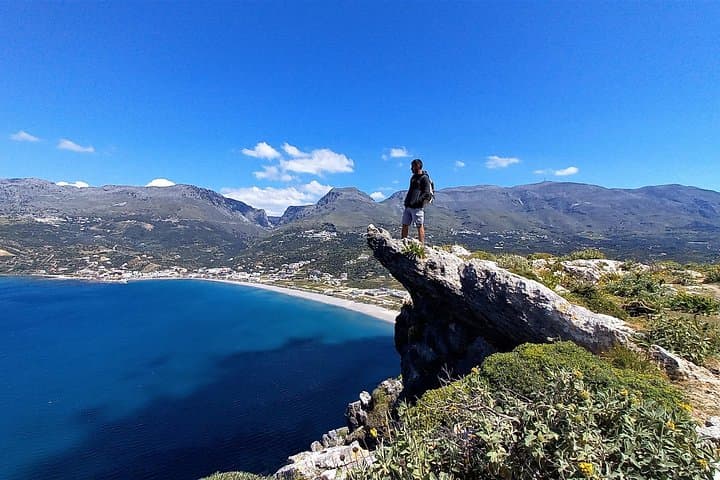
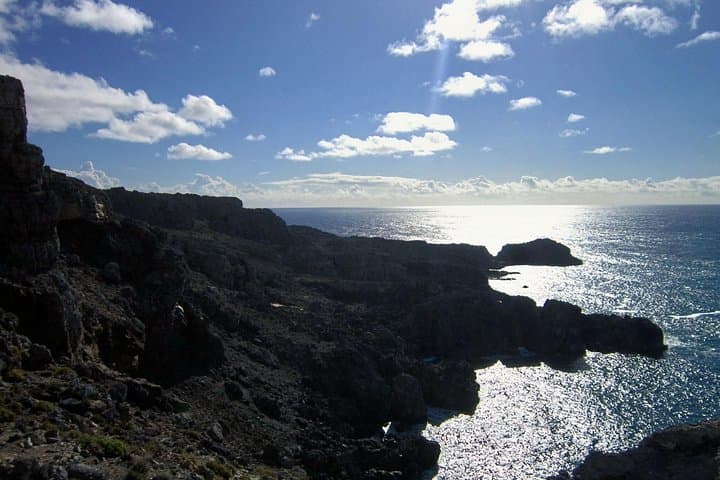
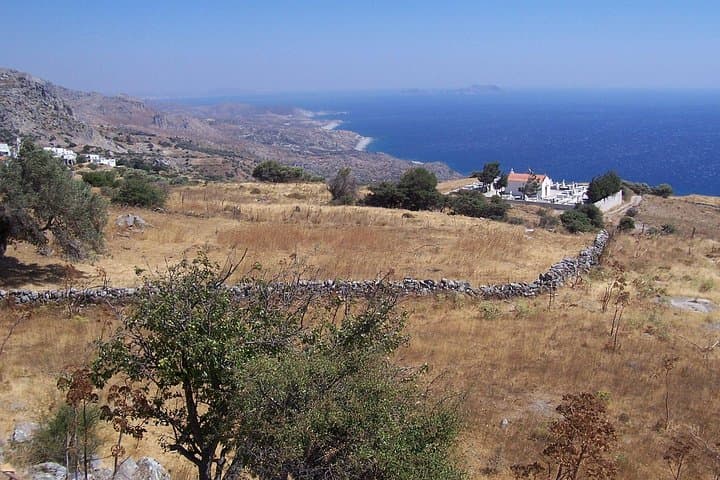
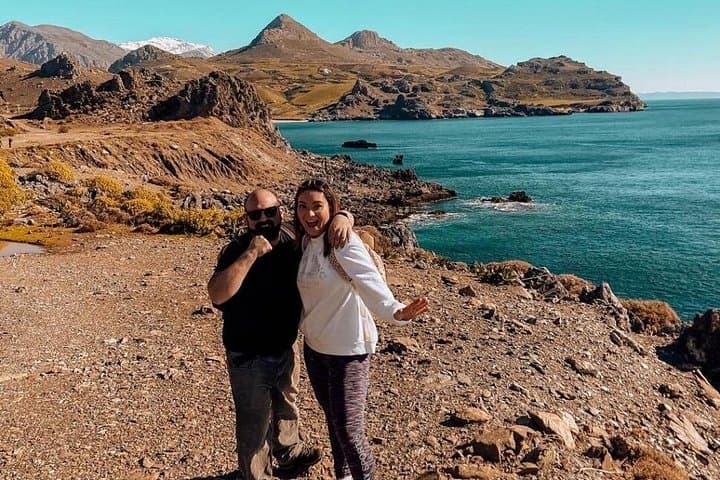
The path peels away from the low white houses of Plakias and descends toward the Libyan Sea, where wind-scoured cliffs and scattered coves open like pages of an old map. Sunlight flattens the stone into warm slabs; the olive trees throw intermittent shade. For two hours the trail threads over terraced slopes and rubble tracks, each bend revealing another stretch of deep blue that dares you to dive.
The path peels away from the low white houses of Plakias and descends toward the Libyan Sea, where wind-scoured cliffs and scattered coves open like pages of an old map. Sunlight flattens the stone into warm slabs; the olive trees throw intermittent shade. For two hours the trail threads over terraced slopes and rubble tracks, each bend revealing another stretch of deep blue that dares you to dive.
This coastline bears layers of history—Venetian maps, Ottoman routeways and centuries of subsistence olive farming—whose traces show in dry-stone walls and small, sea-facing tavernas. Geologically the coast is limestone and schist, eroded into shelves and sudden drops that create the hidden little beaches where the tour pauses. Local culture here still revolves around fresh fish, dry Cretan wine and an easy pace that prizes long lunches and late swims.
Expect a moderate hike: rocky, sometimes loose underfoot, with short climbs and coastal exposure. Plan for sturdy shoes, sun protection and a swim change—many groups choose a quieter bay for a long, restorative dip. Timing matters: start early to avoid the hottest midday sun and aim to be on the trail by late afternoon for a cooler return and a seaside meal. Hydrate frequently; water is limited once you leave the village. The day finishes with a genuine taverna lunch—grilled fish, local greens and a glass of assyrtiko or vidiano—before an easy drive back as the light softens. Practical, scenic and quietly wild, this is Crete away from the crowds but close to what the island does best: sea, sun and honest food.