THE ADVENTURE COLLECTIVE® · Independent discovery and booking for outdoor travel

A full-day private tour that links dramatic gorges, a rare palm oasis and the Three Stones coast with a traditional Cretan village. Expect short uneven walks, historic sites, a palm-lined river mouth and a seaside lunch.
A full-day private tour that links dramatic gorges, a rare palm oasis and the Three Stones coast with a traditional Cretan village. Expect short uneven walks, historic sites, a palm-lined river mouth and a seaside lunch.
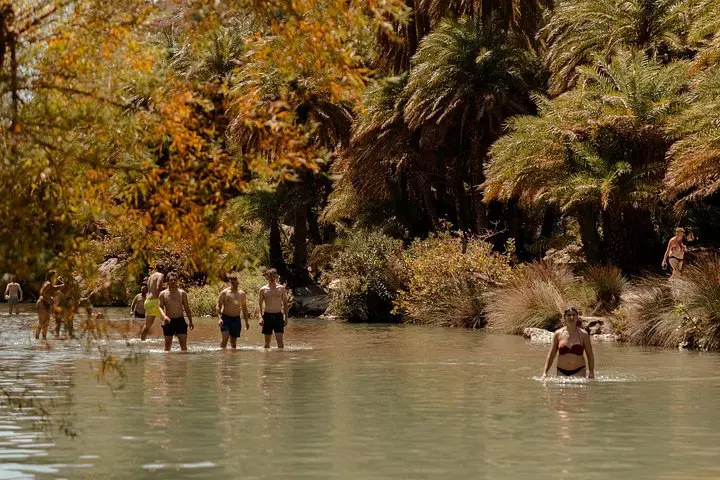
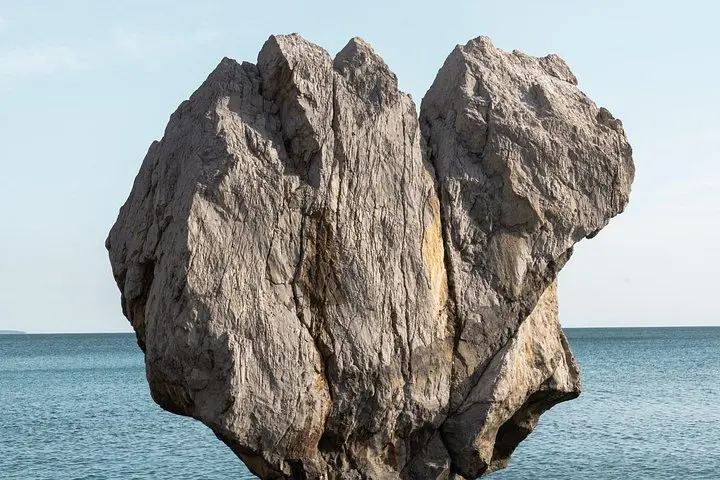
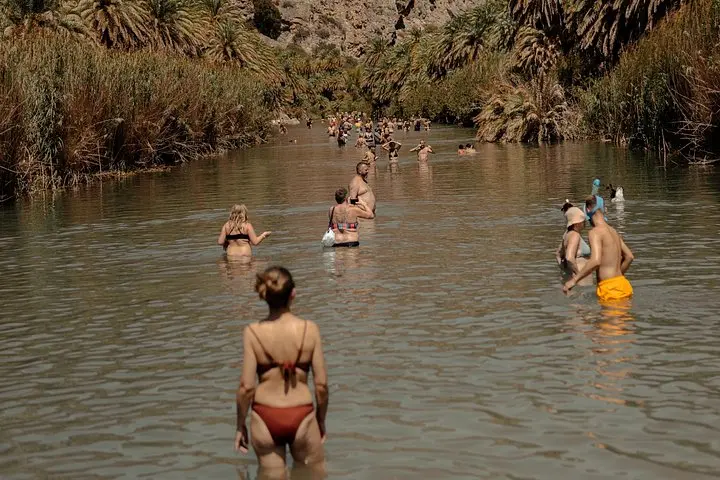
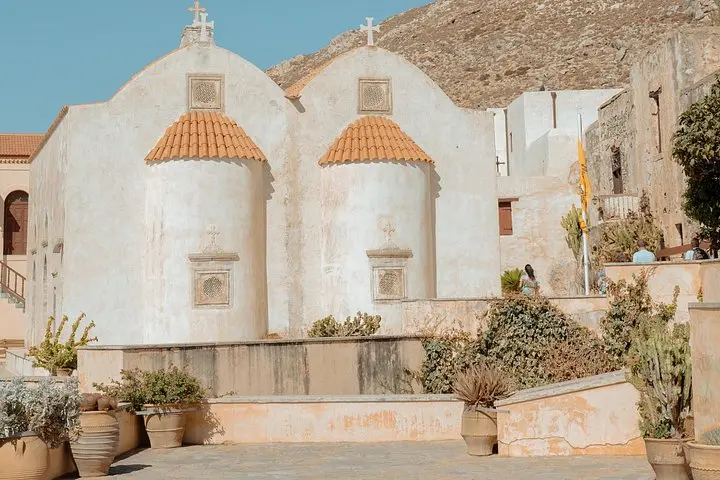
Morning light slices the limestone cliffs as the van threads down toward the Libyan Sea. Guides point out the ragged throat of Kourtaliotiko Gorge, cliffs that seem to dare the sky to fall. The day loosens here: a steep trail to Preveli Monastery, a walk through the cool groves where river and sea meet, and the wind-carved stones of Triopetra that hold the horizon like weathered monuments.
Verified experiences and guided adventures in the surrounding area.
Operated by Way to Crete · Rethymno, Crete
Morning light slices the limestone cliffs as the van threads down toward the Libyan Sea. Guides point out the ragged throat of Kourtaliotiko Gorge, cliffs that seem to dare the sky to fall. The day loosens here: a steep trail to Preveli Monastery, a walk through the cool groves where river and sea meet, and the wind-carved stones of Triopetra that hold the horizon like weathered monuments.
This route stitches together Crete’s layered past -- Byzantine monasteries and Ottoman-era resistance, coastal geomorphology shaped by uplifted limestone and marine terraces, and the living culture of mountain villages like Spili. The Preveli Palm Forest shelters Phoenix theophrasti, a remnant of post-glacial Mediterranean flora, and the Megalopotamos River sculpts a green ribbon through otherwise dry slopes.
Expect varied terrain: paved monastery steps, a dirt riverside path through palms, rocky beach approaches and narrow village alleys. Walks are short but uneven — water, shade and photo stops punctuate the route. Wildlife is discreet: passerine birds and lizards scuttle under the palms; seabreezes carry salt and thyme. Local tavernas serve simple, seasonal Cretan fare; guides often explain olive cultivation and the region’s role in 20th-century resistance.
Practical guidance: start early to avoid midday heat, wear sturdy shoes with good grip, bring swimwear for an optional dip at Preveli or Triopetra, and carry at least 1.5–2 liters of water. The tour is private and full-day (about 8½ hours) with vehicle transfers; mobility is moderate — stairs and short hikes required. Timing your visit for spring or fall gives cooler hiking and fuller river flow; summer delivers calm seas and bright light for photos.
Walking is intermittent: expect several short hikes (total on-foot distance roughly 2–4 km) on uneven surfaces and stairs around the monastery, palm grove and beaches.
Yes for moderately active children and older travelers who can manage stairs and short uneven walks; the tour provides vehicle transfers and breaks but isn’t suitable for those with serious mobility issues.
Lunch, bottled water, and tea/coffee are included; bring extra snacks if you prefer more options during the day.
Yes — the tour offers hotel pickup within a wide area; confirm pickup point when booking and expect a 30-minute pre-departure pickup window.
Way to Crete operates guided outdoor trips and adventures with an emphasis on safety, stewardship, and memorable experiences.
Morning light slices the limestone cliffs as the van threads down toward the Libyan Sea. Guides point out the ragged throat of Kourtaliotiko Gorge, cliffs that seem to dare the sky to fall. The day loosens here: a steep trail to Preveli Monastery, a walk through the cool groves where river and sea meet, and the wind-carved stones of Triopetra that hold the horizon like weathered monuments.
Morning light slices the limestone cliffs as the van threads down toward the Libyan Sea. Guides point out the ragged throat of Kourtaliotiko Gorge, cliffs that seem to dare the sky to fall. The day loosens here: a steep trail to Preveli Monastery, a walk through the cool groves where river and sea meet, and the wind-carved stones of Triopetra that hold the horizon like weathered monuments.
This route stitches together Crete’s layered past -- Byzantine monasteries and Ottoman-era resistance, coastal geomorphology shaped by uplifted limestone and marine terraces, and the living culture of mountain villages like Spili. The Preveli Palm Forest shelters Phoenix theophrasti, a remnant of post-glacial Mediterranean flora, and the Megalopotamos River sculpts a green ribbon through otherwise dry slopes.
Expect varied terrain: paved monastery steps, a dirt riverside path through palms, rocky beach approaches and narrow village alleys. Walks are short but uneven — water, shade and photo stops punctuate the route. Wildlife is discreet: passerine birds and lizards scuttle under the palms; seabreezes carry salt and thyme. Local tavernas serve simple, seasonal Cretan fare; guides often explain olive cultivation and the region’s role in 20th-century resistance.
Practical guidance: start early to avoid midday heat, wear sturdy shoes with good grip, bring swimwear for an optional dip at Preveli or Triopetra, and carry at least 1.5–2 liters of water. The tour is private and full-day (about 8½ hours) with vehicle transfers; mobility is moderate — stairs and short hikes required. Timing your visit for spring or fall gives cooler hiking and fuller river flow; summer delivers calm seas and bright light for photos.