THE ADVENTURE COLLECTIVE® · Independent discovery and booking for outdoor travel

Explore South Delhi’s major devotional sites in a single day—Akshardham’s carved halls, the contemplative Lotus Temple, ISKCON’s ceremonial energy and Chattarpur’s older shrines. This private tour balances cultural insight with practical tips for navigating crowds, dress codes and Delhi traffic.
Explore South Delhi’s major devotional sites in a single day—Akshardham’s carved halls, the contemplative Lotus Temple, ISKCON’s ceremonial energy and Chattarpur’s older shrines. This private tour balances cultural insight with practical tips for navigating crowds, dress codes and Delhi traffic.
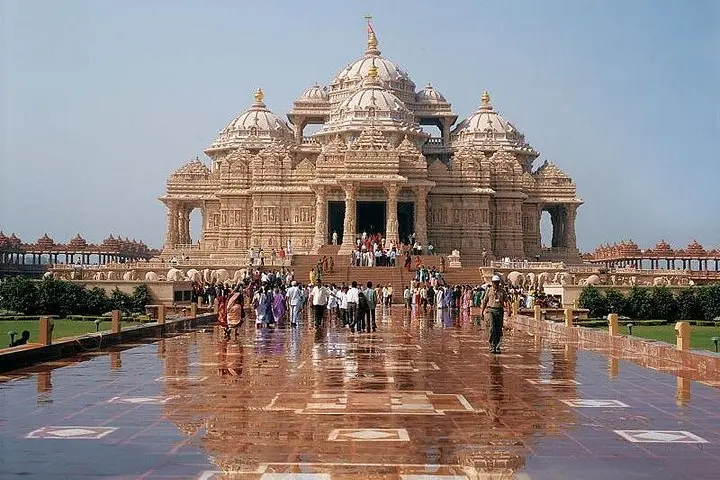
You step out of an air-conditioned car into a wide plaza of stone and water; Akshardham’s carved sandstone rises in precise relief while fountains score the air. The city’s hum drops away here, replaced by the click of shoes on pavement and the soft murmur of guided explanation.
Verified experiences and guided adventures in the surrounding area.
Operated by Delhi Airport Service · New Delhi, Delhi
You step out of an air-conditioned car into a wide plaza of stone and water; Akshardham’s carved sandstone rises in precise relief while fountains score the air. The city’s hum drops away here, replaced by the click of shoes on pavement and the soft murmur of guided explanation.
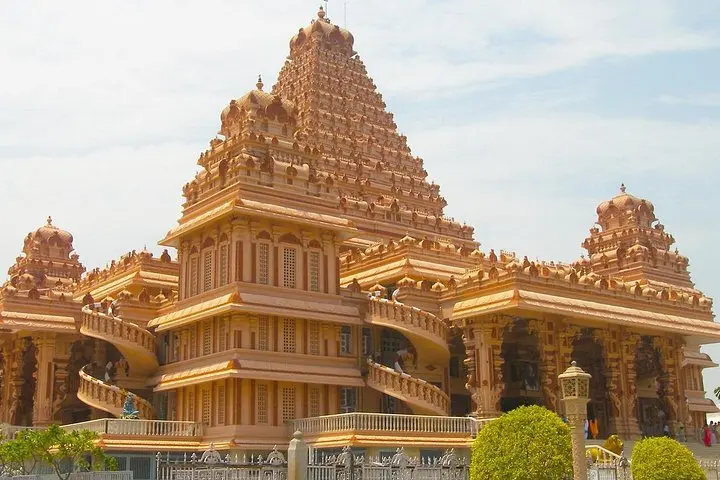
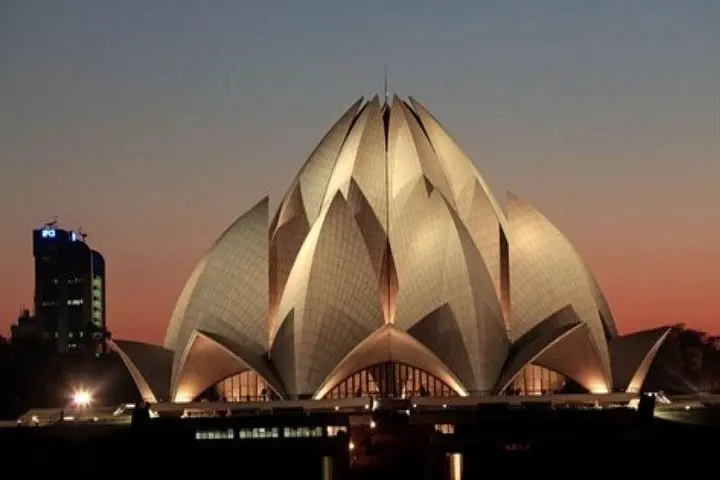
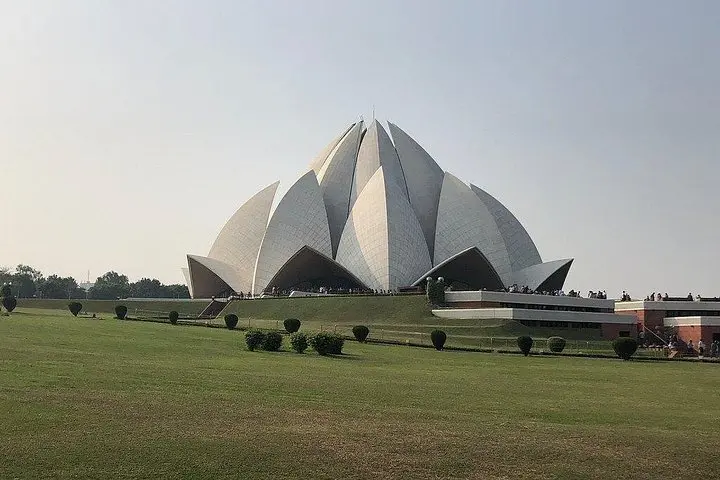
This private South Delhi circuit links modern temple architecture with older devotional practice. Akshardham (opened 2005) combines classical Vaastu-style stone carving with multimedia exhibits that narrate Indian history. The Lotus Temple (Bahá’í, 1986) is a spare, white-marble bowl of silence whose reflective pools attract walkers and early-morning photographers. ISKCON (1998) brings theatrical ritual, bhajans and prasadam in a complex laid out for congregational worship. Nearby Chattarpur preserves older Hindu shrine activity and local pilgrim rhythms.
Expect short, respectful walks between buildings, several shoe-removal points, and checkpoints for security and bag checks. Temperatures and Delhi traffic shape the day—mornings are best for cooler light and easier crowds. Guides supply context on iconography, caste- and sect-based differences, and the modern politics of temple construction.
Practical guidance: wear modest, easy-to-remove footwear; carry a scarf for head-covering where required; hydrate and time the tour to avoid late-afternoon traffic; and leave plastic behind—these sites manage heavy visitor flows, so compact, considerate travel makes the day smoother and more meaningful.
Yes—wear modest clothing covering shoulders and knees; some shrines ask women (and men) to cover their heads with a scarf.
Most temple interiors require shoe removal; you’ll find shoe racks or attendants and should plan to carry shoes or use provided storage.
Photography rules vary—many interiors prohibit flash or any photography; follow your guide’s instructions to respect each site's policy.
Yes—this private tour is low-impact and suitable for all ages, but mobility-limited guests should note steps at some entrances.
Delhi Airport Service operates guided outdoor trips and adventures with an emphasis on safety, stewardship, and memorable experiences.
You step out of an air-conditioned car into a wide plaza of stone and water; Akshardham’s carved sandstone rises in precise relief while fountains score the air. The city’s hum drops away here, replaced by the click of shoes on pavement and the soft murmur of guided explanation.
You step out of an air-conditioned car into a wide plaza of stone and water; Akshardham’s carved sandstone rises in precise relief while fountains score the air. The city’s hum drops away here, replaced by the click of shoes on pavement and the soft murmur of guided explanation.
This private South Delhi circuit links modern temple architecture with older devotional practice. Akshardham (opened 2005) combines classical Vaastu-style stone carving with multimedia exhibits that narrate Indian history. The Lotus Temple (Bahá’í, 1986) is a spare, white-marble bowl of silence whose reflective pools attract walkers and early-morning photographers. ISKCON (1998) brings theatrical ritual, bhajans and prasadam in a complex laid out for congregational worship. Nearby Chattarpur preserves older Hindu shrine activity and local pilgrim rhythms.
Expect short, respectful walks between buildings, several shoe-removal points, and checkpoints for security and bag checks. Temperatures and Delhi traffic shape the day—mornings are best for cooler light and easier crowds. Guides supply context on iconography, caste- and sect-based differences, and the modern politics of temple construction.
Practical guidance: wear modest, easy-to-remove footwear; carry a scarf for head-covering where required; hydrate and time the tour to avoid late-afternoon traffic; and leave plastic behind—these sites manage heavy visitor flows, so compact, considerate travel makes the day smoother and more meaningful.