THE ADVENTURE COLLECTIVE® · Independent discovery and booking for outdoor travel

Spend an energetic afternoon on the South Fork American River, a family-friendly Class II–III raft run that threads a historic Gold Rush corridor. Launch from a private riverside campground off Highway 49 in Lotus and finish where the river opens into Folsom Lake.
Spend an energetic afternoon on the South Fork American River, a family-friendly Class II–III raft run that threads a historic Gold Rush corridor. Launch from a private riverside campground off Highway 49 in Lotus and finish where the river opens into Folsom Lake.
The afternoon sun slides across the oak-studded slopes as you step from a shaded riverside campground into a chorus of water and paddle strokes. Guides fit life jackets, hand out helmets and run a quick skills drill beside the first riffle — Current Divider — and then you’re launched into the South Fork’s pulse. The river tightens. The trees press in. Rapids named Hospital Bar and Recovery Room rise and fall beneath your raft, a sequence of playful surges that rewards steady strokes and a willingness to get splashed.
Verified experiences and guided adventures in the surrounding area.
Operated by Tributary Whitewater · Lotus, California
The afternoon sun slides across the oak-studded slopes as you step from a shaded riverside campground into a chorus of water and paddle strokes. Guides fit life jackets, hand out helmets and run a quick skills drill beside the first riffle — Current Divider — and then you’re launched into the South Fork’s pulse. The river tightens. The trees press in. Rapids named Hospital Bar and Recovery Room rise and fall beneath your raft, a sequence of playful surges that rewards steady strokes and a willingness to get splashed.
This run follows a corridor rich with California Gold Rush history. A short drive upstream is Marshall Gold Discovery Park, where James W. Marshall found gold in 1848 and set off the fever that shaped towns, roads and the river itself. Geologically the South Fork cuts through volcanic and granitic formations; in the Gorge those hard rocks funnel current and create the short, punchy drops that define a Class II–III run.
The experience balances excitement and accessibility. The trip is half-day, aimed at families and groups, with a riverside campground as both meeting point and staging area right off historic Highway 49 in Lotus. Guides teach basic strokes, ferrying and how to ride the raft through eddies; there’s always an emphasis on good position and simple safety rather than technical maneuvering. After a string of Class II rapids you move into a narrower channel where the pace picks up and the whitewater steps to Class III before the river eases into Folsom Lake at the shuttle take-out.
Practicalities matter: arrive with closed-toe water shoes, a change of clothes and a willingness to hand over car keys so personal gear can be left at camp. The operator provides raft, paddle, PFD and helmet, and runs a camp store for last-minute supplies. Expect roughly four hours from check-in to shuttle return; the active river time is shorter but intense.
Best for travelers who want a sporty afternoon with historical flavor and minimal technical learning curve. Spring snowmelt raises flows and sharpens the rapids; summer offers warm air and cooler river water. Bring sun protection, a dry bag for electronics, and plan transport ahead — your shuttle lands you back at camp but cars are left at the launch point. Whether you’re introducing kids to rafting or looking for a lively post-lunch run, the South Fork’s Gorge delivers straightforward whitewater with a local-college-of-history twist.
Trips are family-friendly and suitable for older children under adult supervision; check operator age minimums when booking.
No — guides teach basic techniques before launch; familiarity with paddling helps but is not required.
Swimming is not part of the planned itinerary; you may end up in the water on a swim and guides are trained for swift-water recovery.
Yes — the operator runs a private riverside campground and offers overnight camping so you can be on-site in the morning.
Full refund if canceled at least 24 hours before departure; cancellations within 24 hours are non-refundable and trips may be canceled if minimums aren’t met.
A shuttle takes guests from the Folsom Lake take-out back to the riverside campground where vehicles are parked.
Tributary Whitewater operates guided outdoor trips and adventures with an emphasis on safety, stewardship, and memorable experiences.
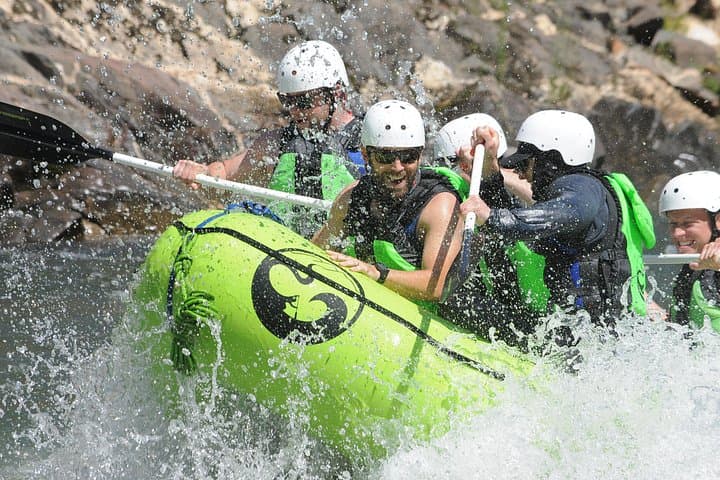
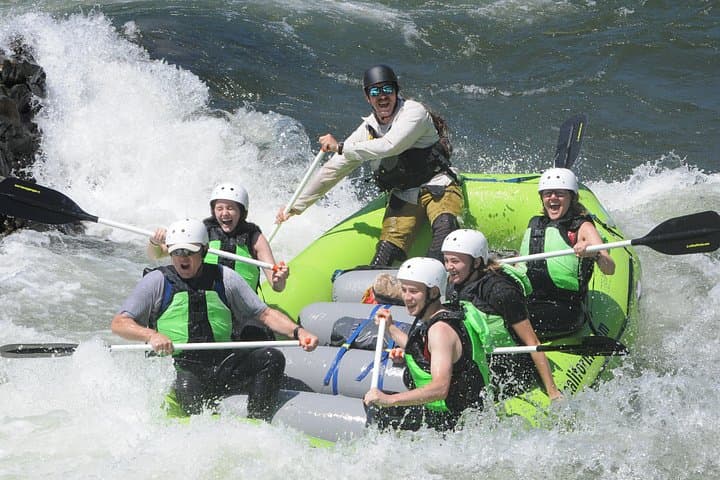
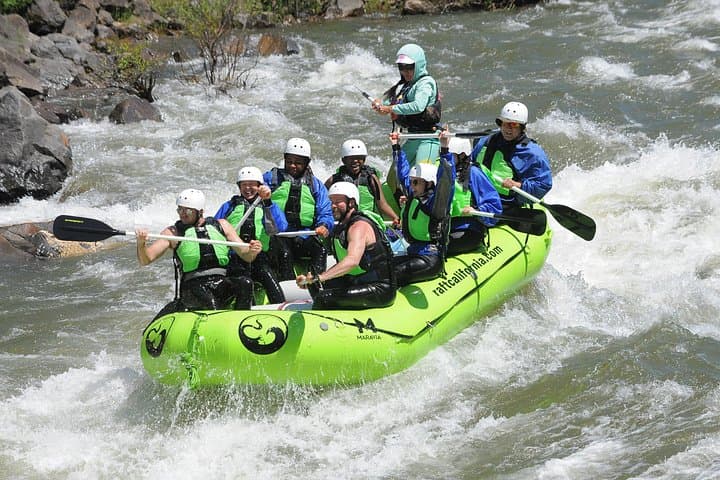
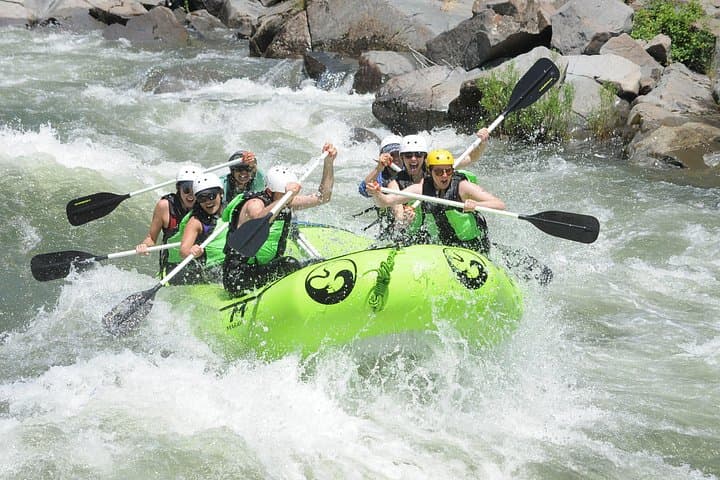
The afternoon sun slides across the oak-studded slopes as you step from a shaded riverside campground into a chorus of water and paddle strokes. Guides fit life jackets, hand out helmets and run a quick skills drill beside the first riffle — Current Divider — and then you’re launched into the South Fork’s pulse. The river tightens. The trees press in. Rapids named Hospital Bar and Recovery Room rise and fall beneath your raft, a sequence of playful surges that rewards steady strokes and a willingness to get splashed.
The afternoon sun slides across the oak-studded slopes as you step from a shaded riverside campground into a chorus of water and paddle strokes. Guides fit life jackets, hand out helmets and run a quick skills drill beside the first riffle — Current Divider — and then you’re launched into the South Fork’s pulse. The river tightens. The trees press in. Rapids named Hospital Bar and Recovery Room rise and fall beneath your raft, a sequence of playful surges that rewards steady strokes and a willingness to get splashed.
This run follows a corridor rich with California Gold Rush history. A short drive upstream is Marshall Gold Discovery Park, where James W. Marshall found gold in 1848 and set off the fever that shaped towns, roads and the river itself. Geologically the South Fork cuts through volcanic and granitic formations; in the Gorge those hard rocks funnel current and create the short, punchy drops that define a Class II–III run.
The experience balances excitement and accessibility. The trip is half-day, aimed at families and groups, with a riverside campground as both meeting point and staging area right off historic Highway 49 in Lotus. Guides teach basic strokes, ferrying and how to ride the raft through eddies; there’s always an emphasis on good position and simple safety rather than technical maneuvering. After a string of Class II rapids you move into a narrower channel where the pace picks up and the whitewater steps to Class III before the river eases into Folsom Lake at the shuttle take-out.
Practicalities matter: arrive with closed-toe water shoes, a change of clothes and a willingness to hand over car keys so personal gear can be left at camp. The operator provides raft, paddle, PFD and helmet, and runs a camp store for last-minute supplies. Expect roughly four hours from check-in to shuttle return; the active river time is shorter but intense.
Best for travelers who want a sporty afternoon with historical flavor and minimal technical learning curve. Spring snowmelt raises flows and sharpens the rapids; summer offers warm air and cooler river water. Bring sun protection, a dry bag for electronics, and plan transport ahead — your shuttle lands you back at camp but cars are left at the launch point. Whether you’re introducing kids to rafting or looking for a lively post-lunch run, the South Fork’s Gorge delivers straightforward whitewater with a local-college-of-history twist.