THE ADVENTURE COLLECTIVE® · Independent discovery and booking for outdoor travel

Instant eSIM delivery lets you tap into South Korea’s rapid mobile networks for navigation, messaging, and hotspot use without a physical SIM. Read on for compatibility notes, activation tips, and how throttling and daily resets work.
Instant eSIM delivery lets you tap into South Korea’s rapid mobile networks for navigation, messaging, and hotspot use without a physical SIM. Read on for compatibility notes, activation tips, and how throttling and daily resets work.
You step off the plane and the city already speaks in bars and dots: signal strength climbing as taxis pull away, maps snapping into focus, messages flowing on KakaoTalk. An eSIM turns that first disorienting hour into movement—directions, reservations, and streaming on the go—without hunting for a physical SIM.
Verified experiences and guided adventures in the surrounding area.
Operated by Frewie · Daegu, Daegu
You step off the plane and the city already speaks in bars and dots: signal strength climbing as taxis pull away, maps snapping into focus, messages flowing on KakaoTalk. An eSIM turns that first disorienting hour into movement—directions, reservations, and streaming on the go—without hunting for a physical SIM.
South Korea is one of the world's fastest mobile markets, with early 4G and 5G rollouts across urban corridors and major airports. The peninsula's mountainous spine can create patchy reception in remote valleys and national parks—Palgongsan near Daegu is scenic but expect lower speeds in steep gorges. Culturally, South Koreans rely on mobile-first services, so data access is practical travel currency here.
This prepaid eSIM is data-only, instant-delivered via QR code; hotspot use is allowed but there is no voice or SMS. Daily plans reset at 00:00 (+8 GMT) and fixed allowances throttle to 128 kbps for messaging after the high-speed cap is reached. Compatibility matters: many China- and Hong Kong‑branded phones lack eSIM support.
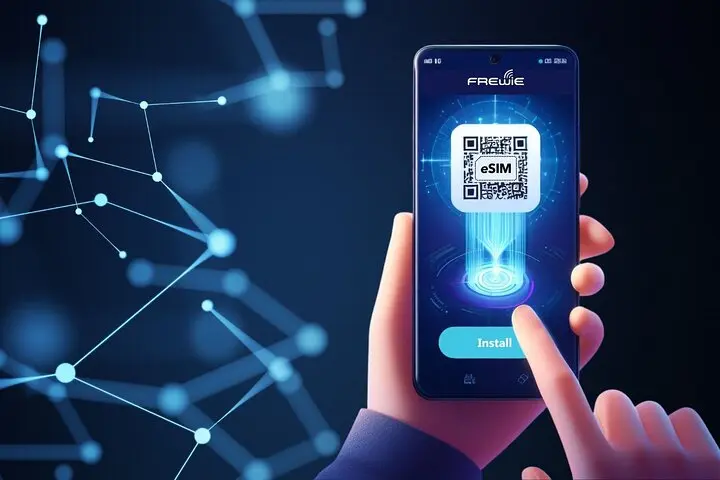
Practical steps: confirm your device is unlocked and eSIM-capable, scan the QR in a stable Wi‑Fi or cellular spot, then test data and hotspot before you leave the airport. Install within one month of purchase—activation starts at install—and remember the provider enforces a strict no-refund policy for compatibility issues. Pack a power bank, keep a screenshot of the QR code, and carry backup offline maps if you plan to hike. With a working eSIM, urban navigation and last-minute bookings become seamless; without one, you’ll notice how quickly modern travel depends on reliable data.
No—this plan is data-only and does not include a phone number for calls or standard SMS; use apps like KakaoTalk, WhatsApp, or Voice-over-IP for calls and messaging.
Activation begins immediately when you install the eSIM; the plan must be installed within one month of purchase and daily plans reset at 00:00 (+8 GMT).
Yes—mobile hotspot tethering is supported, though tethered devices will share the same data allowance and throttling policies apply after high‑speed limits are reached.
If the QR code fails, check that your device is unlocked and eSIM-capable, restart the phone, and try scanning on a stable connection; suppliers typically require you to contact them directly for troubleshooting but refunds are not provided for compatibility issues.
Frewie operates guided outdoor trips and adventures with an emphasis on safety, stewardship, and memorable experiences.

You step off the plane and the city already speaks in bars and dots: signal strength climbing as taxis pull away, maps snapping into focus, messages flowing on KakaoTalk. An eSIM turns that first disorienting hour into movement—directions, reservations, and streaming on the go—without hunting for a physical SIM.
You step off the plane and the city already speaks in bars and dots: signal strength climbing as taxis pull away, maps snapping into focus, messages flowing on KakaoTalk. An eSIM turns that first disorienting hour into movement—directions, reservations, and streaming on the go—without hunting for a physical SIM.
South Korea is one of the world's fastest mobile markets, with early 4G and 5G rollouts across urban corridors and major airports. The peninsula's mountainous spine can create patchy reception in remote valleys and national parks—Palgongsan near Daegu is scenic but expect lower speeds in steep gorges. Culturally, South Koreans rely on mobile-first services, so data access is practical travel currency here.
This prepaid eSIM is data-only, instant-delivered via QR code; hotspot use is allowed but there is no voice or SMS. Daily plans reset at 00:00 (+8 GMT) and fixed allowances throttle to 128 kbps for messaging after the high-speed cap is reached. Compatibility matters: many China- and Hong Kong‑branded phones lack eSIM support.
Practical steps: confirm your device is unlocked and eSIM-capable, scan the QR in a stable Wi‑Fi or cellular spot, then test data and hotspot before you leave the airport. Install within one month of purchase—activation starts at install—and remember the provider enforces a strict no-refund policy for compatibility issues. Pack a power bank, keep a screenshot of the QR code, and carry backup offline maps if you plan to hike. With a working eSIM, urban navigation and last-minute bookings become seamless; without one, you’ll notice how quickly modern travel depends on reliable data.