THE ADVENTURE COLLECTIVE® · Independent discovery and booking for outdoor travel

This private, full-day loop through southern Mauritius stitches together volcanic craters, sacred lakes, endemic forest and the seven-coloured sands at Chamarel. In 6–9 hours you’ll move from panoramic rims to waterfalls and village markets with an experienced driver-guide.
This private, full-day loop through southern Mauritius stitches together volcanic craters, sacred lakes, endemic forest and the seven-coloured sands at Chamarel. In 6–9 hours you’ll move from panoramic rims to waterfalls and village markets with an experienced driver-guide.
You step into the van just after dawn and the island is already at work — fishermen heading out, sugarcane fields throwing long shadows, and the road curling toward the island's greener spine. The driver-guide eases through villages, and within an hour the landscape tightens: volcanic ridgelines sharpen, mist clings to gullies, and Trou aux Cerfs appears like a perfectly cut crater staring back at the sky.
Verified experiences and guided adventures in the surrounding area.
Operated by Mauritius Island Tours and Rentals · Chamarel, Black River District
You step into the van just after dawn and the island is already at work — fishermen heading out, sugarcane fields throwing long shadows, and the road curling toward the island's greener spine. The driver-guide eases through villages, and within an hour the landscape tightens: volcanic ridgelines sharpen, mist clings to gullies, and Trou aux Cerfs appears like a perfectly cut crater staring back at the sky.
The day that follows reads like a compact field guide to southern Mauritius. Trou aux Cerfs is a dormant volcanic cone with a neat crater—605 meters at the rim and an 80-meter drop to its bowl—offering a fast primer on the island’s volcanic origins. At Grand Bassin (Ganga Talao), Hindu pilgrims still make the climb to the sacred lake, its temples and towering Shiva statues an intimate portrait of the island’s Indian cultural thread.
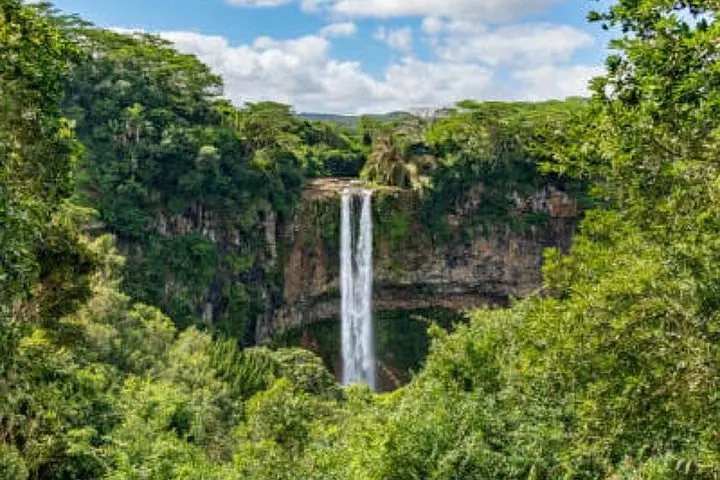
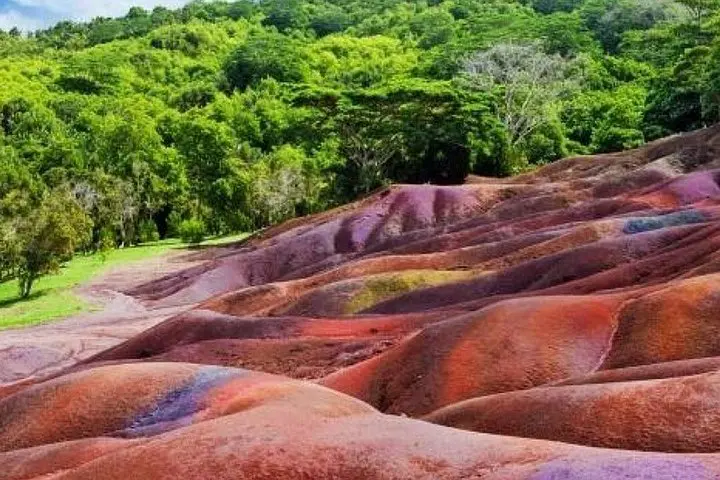
Chamarel’s Seven Coloured Earths are a geological curiosity: wind- and rain-sorted iron-oxide sands that separate into bands of reds, purples and yellows, an unnatural palette that refuses to mix even when you try. Nearby, the Chamarel Falls and Alexandra Falls make the west’s lush heart audible — water pushing through basalt steps and plunging into green. In Black River Gorges National Park, endemic trees and the calls of a few rare birds show how Mauritius is rebuilding some of what was lost to colonial agriculture.
This private full-day loop packs 7–8 stops into a 6–9 hour rhythm: short walks and viewpoints punctuate drives, with opportunities for market browsing in Floreal and a quiet moment at the island’s largest 19th-century reservoir. Entrance fees to attractions are generally paid on-site, and your driver will help time stops for light and crowds.
Practicalities matter here. Wear sturdy shoes for uneven trails around the falls and the park, and carry 1–2 liters of water — shade is limited at some lookouts. Expect narrow, winding roads; the air-conditioned vehicle included in the tour makes the drives comfortable, but motion-sensitive travelers should plan accordingly. If you want the clearest photos, ask to prioritize Chamarel or the Black River canyon at golden hour; for a quieter visit to Ganga Talao, schedule that stop outside of festival days when pilgrims arrive in force.
The tour balances natural spectacle with cultural stops, so bring a lightweight cover-up for temple visits and a small note for on-the-spot offerings if you wish. For photographers and serious hikers alike, the south provides compressed rewards: geology, endemic species, and waterfalls all within a day’s reach — if you come prepared and keep a flexible pace.
No—entrance tickets to attractions like Chamarel and national parks are usually purchased on-site; carry cash or card to pay as you go.
Yes, the tour is private and described as suitable for all fitness levels; however, some short walks include stairs or uneven paths—notify the operator of mobility concerns when booking.
Yes—pickup from most hotels is available; you can also arrange a custom pickup point when booking. Drivers typically arrive about 5 minutes before departure.
Modest clothing is recommended for the sacred lake and temple areas; a light cover-up or long skirt/shorts that cover the knee is appropriate.
Expect short walks at each stop—most are 10–45 minute strolls or viewpoint walks rather than full hikes; bring comfortable shoes for uneven terrain.
The tour generally runs in mixed weather; heavy rains may affect roadside visibility or some short walks—check the cancellation policy and communicate with your operator if conditions look severe.
Mauritius Island Tours and Rentals operates guided outdoor trips and adventures with an emphasis on safety, stewardship, and memorable experiences.
You step into the van just after dawn and the island is already at work — fishermen heading out, sugarcane fields throwing long shadows, and the road curling toward the island's greener spine. The driver-guide eases through villages, and within an hour the landscape tightens: volcanic ridgelines sharpen, mist clings to gullies, and Trou aux Cerfs appears like a perfectly cut crater staring back at the sky.
You step into the van just after dawn and the island is already at work — fishermen heading out, sugarcane fields throwing long shadows, and the road curling toward the island's greener spine. The driver-guide eases through villages, and within an hour the landscape tightens: volcanic ridgelines sharpen, mist clings to gullies, and Trou aux Cerfs appears like a perfectly cut crater staring back at the sky.
The day that follows reads like a compact field guide to southern Mauritius. Trou aux Cerfs is a dormant volcanic cone with a neat crater—605 meters at the rim and an 80-meter drop to its bowl—offering a fast primer on the island’s volcanic origins. At Grand Bassin (Ganga Talao), Hindu pilgrims still make the climb to the sacred lake, its temples and towering Shiva statues an intimate portrait of the island’s Indian cultural thread.
Chamarel’s Seven Coloured Earths are a geological curiosity: wind- and rain-sorted iron-oxide sands that separate into bands of reds, purples and yellows, an unnatural palette that refuses to mix even when you try. Nearby, the Chamarel Falls and Alexandra Falls make the west’s lush heart audible — water pushing through basalt steps and plunging into green. In Black River Gorges National Park, endemic trees and the calls of a few rare birds show how Mauritius is rebuilding some of what was lost to colonial agriculture.
This private full-day loop packs 7–8 stops into a 6–9 hour rhythm: short walks and viewpoints punctuate drives, with opportunities for market browsing in Floreal and a quiet moment at the island’s largest 19th-century reservoir. Entrance fees to attractions are generally paid on-site, and your driver will help time stops for light and crowds.
Practicalities matter here. Wear sturdy shoes for uneven trails around the falls and the park, and carry 1–2 liters of water — shade is limited at some lookouts. Expect narrow, winding roads; the air-conditioned vehicle included in the tour makes the drives comfortable, but motion-sensitive travelers should plan accordingly. If you want the clearest photos, ask to prioritize Chamarel or the Black River canyon at golden hour; for a quieter visit to Ganga Talao, schedule that stop outside of festival days when pilgrims arrive in force.
The tour balances natural spectacle with cultural stops, so bring a lightweight cover-up for temple visits and a small note for on-the-spot offerings if you wish. For photographers and serious hikers alike, the south provides compressed rewards: geology, endemic species, and waterfalls all within a day’s reach — if you come prepared and keep a flexible pace.