THE ADVENTURE COLLECTIVE® · Independent discovery and booking for outdoor travel

A 15-day overland loop from Marrakech through the High Atlas, Aït Benhaddou, Erg Chebbi and Essaouira that blends easy mountain hikes, desert camping and cultural encounters with Berber communities. Expect long drives, sunrise dunes and hands-on local experiences.
A 15-day overland loop from Marrakech through the High Atlas, Aït Benhaddou, Erg Chebbi and Essaouira that blends easy mountain hikes, desert camping and cultural encounters with Berber communities. Expect long drives, sunrise dunes and hands-on local experiences.
You step out of Menara Airport into a warm wind that carries saffron, dust, and the chatter of market stalls—Marrakech is abrupt and immediate. Over the next two weeks the landscape loosens: red city walls give way to cedar forests and the serrated ridgeline of the High Atlas, then to ochre kasbahs, and finally to the rolling, copper dunes of Erg Chebbi and the Atlantic’s brisk salt air in Essaouira.
Verified experiences and guided adventures in the surrounding area.
Operated by Desertbrise Travel · Marrakech, Marrakech-Safi
You step out of Menara Airport into a warm wind that carries saffron, dust, and the chatter of market stalls—Marrakech is abrupt and immediate. Over the next two weeks the landscape loosens: red city walls give way to cedar forests and the serrated ridgeline of the High Atlas, then to ochre kasbahs, and finally to the rolling, copper dunes of Erg Chebbi and the Atlantic’s brisk salt air in Essaouira.
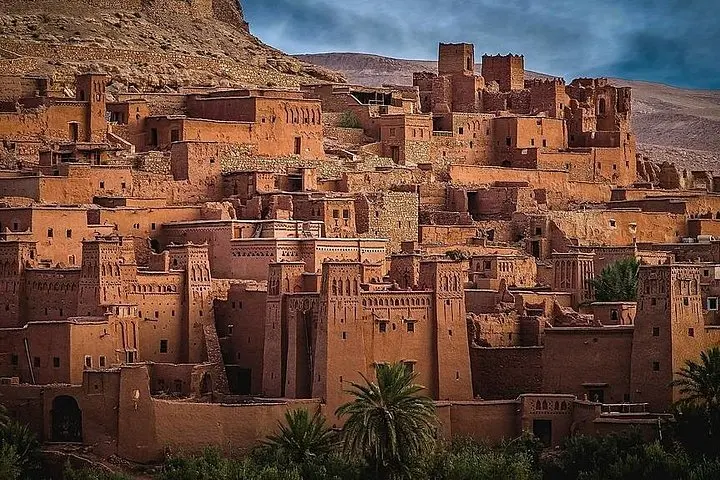
This route threads through distinct geologies and histories: the volcanic folds and glaciated valleys that rise to Mount Toubkal (4,167 m), the mud‑brick architecture of caravan-era kasbahs like Aït Benhaddou, and the fossil-rich limestone near Erfoud that records an ancient sea. Culture here is rooted in Amazigh (Berber) life and caravan trade—expect weekday souks, weekly markets in Asni, and evening Gnawa rhythms in Khemliya village.
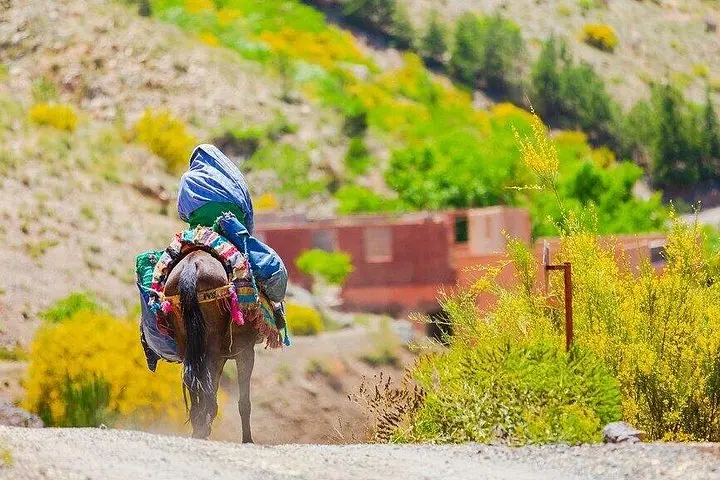
Practically, the trip mixes easy guided hikes (3–4 hours in Imlil Valley), long scenic drives over mountain passes (Tizi n’Tichka), and overnight desert camping with camel transfers timed for sunset. Days can be long: plan for several multi-hour drives and early starts to avoid midday heat. Pack layered clothing for cold desert nights and cool mountain mornings, sturdy walking shoes for rocky village tracks, and strong sun protection in the exposed south.
Hydrate often, carry local currency for small purchases and tips, and respect conservative dress in rural areas. For photographers and hikers, rise early for the clearest light on kasbahs and dunes; for cultural exchange, accept invitations to tea—these are often the most memorable stops.
Overall moderate—most walks are easy (3–4 hours) but the itinerary includes long drives and some uneven terrain; basic mobility and stamina are sufficient.
Camps typically offer Bedouin-style tents with bedding and dinners; nights are basic and can be cold, but many camps provide blankets and there are hotel alternatives in Merzouga.
Visa rules depend on your nationality—many visitors enter Morocco visa-free for short stays; routine vaccinations are recommended and consult your doctor for personalized advice.
Some accommodations and transport are listed as wheelchair accessible, but many historic sites, Kasbah alleys and dune areas are not—check specific accessibility needs with the operator before booking.
Desertbrise Travel operates guided outdoor trips and adventures with an emphasis on safety, stewardship, and memorable experiences.
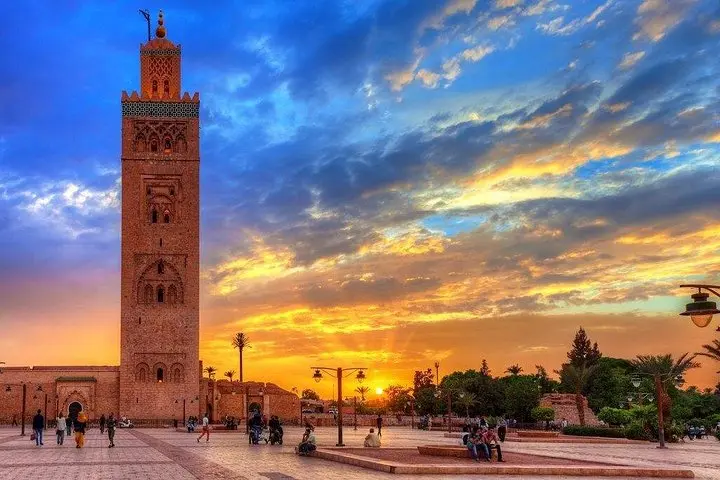
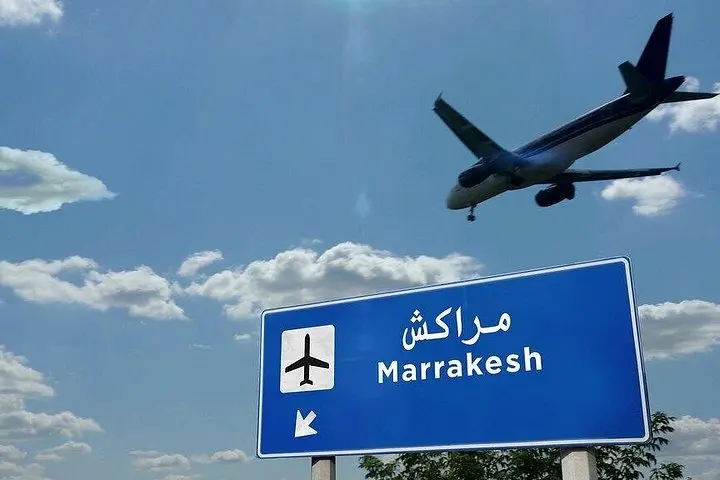
You step out of Menara Airport into a warm wind that carries saffron, dust, and the chatter of market stalls—Marrakech is abrupt and immediate. Over the next two weeks the landscape loosens: red city walls give way to cedar forests and the serrated ridgeline of the High Atlas, then to ochre kasbahs, and finally to the rolling, copper dunes of Erg Chebbi and the Atlantic’s brisk salt air in Essaouira.
You step out of Menara Airport into a warm wind that carries saffron, dust, and the chatter of market stalls—Marrakech is abrupt and immediate. Over the next two weeks the landscape loosens: red city walls give way to cedar forests and the serrated ridgeline of the High Atlas, then to ochre kasbahs, and finally to the rolling, copper dunes of Erg Chebbi and the Atlantic’s brisk salt air in Essaouira.
This route threads through distinct geologies and histories: the volcanic folds and glaciated valleys that rise to Mount Toubkal (4,167 m), the mud‑brick architecture of caravan-era kasbahs like Aït Benhaddou, and the fossil-rich limestone near Erfoud that records an ancient sea. Culture here is rooted in Amazigh (Berber) life and caravan trade—expect weekday souks, weekly markets in Asni, and evening Gnawa rhythms in Khemliya village.
Practically, the trip mixes easy guided hikes (3–4 hours in Imlil Valley), long scenic drives over mountain passes (Tizi n’Tichka), and overnight desert camping with camel transfers timed for sunset. Days can be long: plan for several multi-hour drives and early starts to avoid midday heat. Pack layered clothing for cold desert nights and cool mountain mornings, sturdy walking shoes for rocky village tracks, and strong sun protection in the exposed south.
Hydrate often, carry local currency for small purchases and tips, and respect conservative dress in rural areas. For photographers and hikers, rise early for the clearest light on kasbahs and dunes; for cultural exchange, accept invitations to tea—these are often the most memorable stops.