THE ADVENTURE COLLECTIVE® · Independent discovery and booking for outdoor travel

A compact half-day excursion from Cusco that visits Tipón’s Inca terraces, the Wari urban center of Pikillacta, and the colonial church of Andahuaylillas. Expect short walks, archaeological insight, and highland scenery.
A compact half-day excursion from Cusco that visits Tipón’s Inca terraces, the Wari urban center of Pikillacta, and the colonial church of Andahuaylillas. Expect short walks, archaeological insight, and highland scenery.
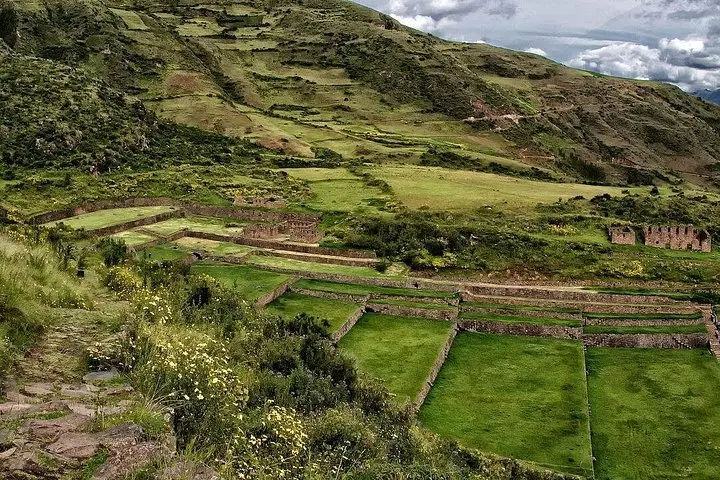
You climb out of Cusco before dawn and the highland air greets you with a chill that reminds you how high you are. The road drops and the landscape opens into the South Valley: stepped fields clinging to slopes, a river threading the valley floor, and villages where grazing llamas inspect the newcomers.
Verified experiences and guided adventures in the surrounding area.
Operated by Kantu Peru Tours · Cusco, Cusco
You climb out of Cusco before dawn and the highland air greets you with a chill that reminds you how high you are. The road drops and the landscape opens into the South Valley: stepped fields clinging to slopes, a river threading the valley floor, and villages where grazing llamas inspect the newcomers.
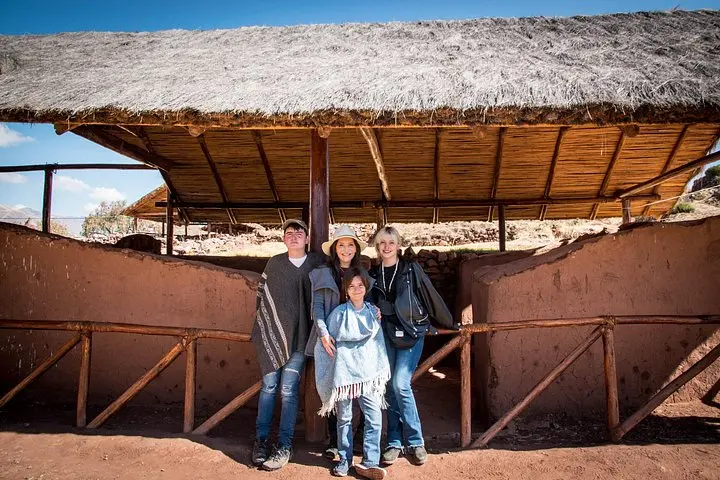
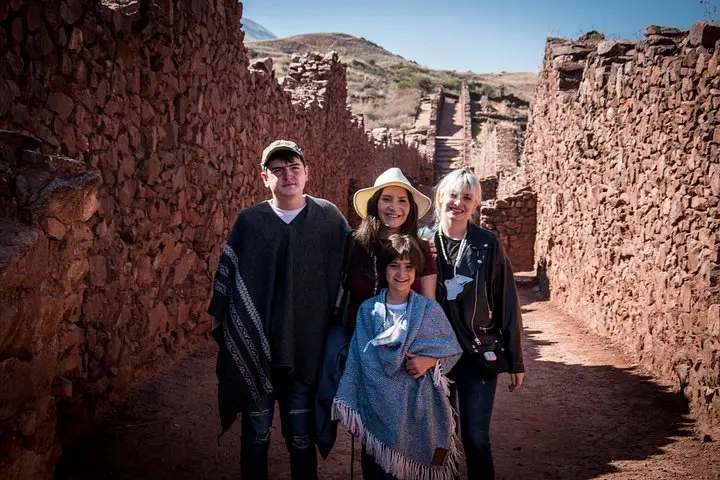
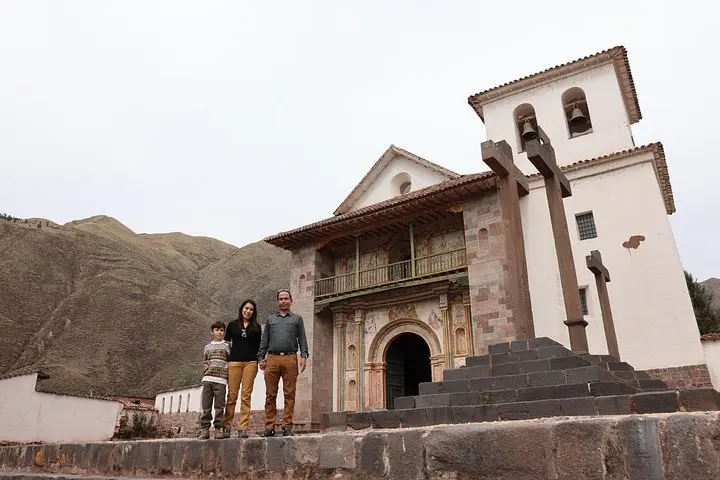
This half-day route stitches together three eras of Andean life. Tipón’s Inca terraces and carved-stone irrigation channels still move water with deliberate precision — an engineered landscape that continues to feed local fields. Pikillacta is older: a sprawling Wari urban plan of streets, colcas and compact compounds that hints at pre-Inca statecraft and urban density. The finish is Andahuaylillas, a compact colonial village whose 16th-century church earned the nickname “Sistine Chapel of the Americas” for its gilded baroque altarpieces and mural work.
Geology here is visible in the slopes: young volcanic soils and glacially influenced valleys that made intensive terrace agriculture possible. Culturally the route is a walk through layered occupation — pre-Inca planning, Inca hydraulic mastery, and Spanish religious reorganization.
Practical notes: the tour is 5–6 hours with vehicle transfers and short walks at each stop; expect uneven stone paths and moderate elevation around 3,200–3,600 m. Bring sun protection, a small pack with water and snacks, and cash for the regional tourist ticket when required. Acclimatize in Cusco for at least 24–48 hours if you’ve just arrived. The half-day format makes this a compact introduction to southern Cusco’s archaeology and colonial art — high-impact, low-footprint if you stick to marked trails and respect local sites.
The regional tourist ticket is often available at site entrances; some travelers prefer to buy the Cusco Tourist Ticket in advance at ticket offices to save time.
Sites include uneven stone steps and terraces; the tour is not recommended for people with significant mobility limitations.
Each stop typically allows around 30–40 minutes for guided exploration; ask the guide if you need extra time but group schedules and transfers limit long detours.
Sites sit between roughly 3,200–3,600 m; mild symptoms like shortness of breath or headache are common—hydrate, move slowly, and inform your guide if you feel unwell.
Kantu Peru Tours operates guided outdoor trips and adventures with an emphasis on safety, stewardship, and memorable experiences.
You climb out of Cusco before dawn and the highland air greets you with a chill that reminds you how high you are. The road drops and the landscape opens into the South Valley: stepped fields clinging to slopes, a river threading the valley floor, and villages where grazing llamas inspect the newcomers.
You climb out of Cusco before dawn and the highland air greets you with a chill that reminds you how high you are. The road drops and the landscape opens into the South Valley: stepped fields clinging to slopes, a river threading the valley floor, and villages where grazing llamas inspect the newcomers.
This half-day route stitches together three eras of Andean life. Tipón’s Inca terraces and carved-stone irrigation channels still move water with deliberate precision — an engineered landscape that continues to feed local fields. Pikillacta is older: a sprawling Wari urban plan of streets, colcas and compact compounds that hints at pre-Inca statecraft and urban density. The finish is Andahuaylillas, a compact colonial village whose 16th-century church earned the nickname “Sistine Chapel of the Americas” for its gilded baroque altarpieces and mural work.
Geology here is visible in the slopes: young volcanic soils and glacially influenced valleys that made intensive terrace agriculture possible. Culturally the route is a walk through layered occupation — pre-Inca planning, Inca hydraulic mastery, and Spanish religious reorganization.
Practical notes: the tour is 5–6 hours with vehicle transfers and short walks at each stop; expect uneven stone paths and moderate elevation around 3,200–3,600 m. Bring sun protection, a small pack with water and snacks, and cash for the regional tourist ticket when required. Acclimatize in Cusco for at least 24–48 hours if you’ve just arrived. The half-day format makes this a compact introduction to southern Cusco’s archaeology and colonial art — high-impact, low-footprint if you stick to marked trails and respect local sites.