THE ADVENTURE COLLECTIVE® · Independent discovery and booking for outdoor travel

A practical full-day from Southampton to three of southern England’s most visited heritage sites: Stonehenge’s standing stones, the period streets of Lacock, and Bath’s Roman Baths. Expect a long but accessible day of short walks, striking geology, and architectural history.
A practical full-day from Southampton to three of southern England’s most visited heritage sites: Stonehenge’s standing stones, the period streets of Lacock, and Bath’s Roman Baths. Expect a long but accessible day of short walks, striking geology, and architectural history.
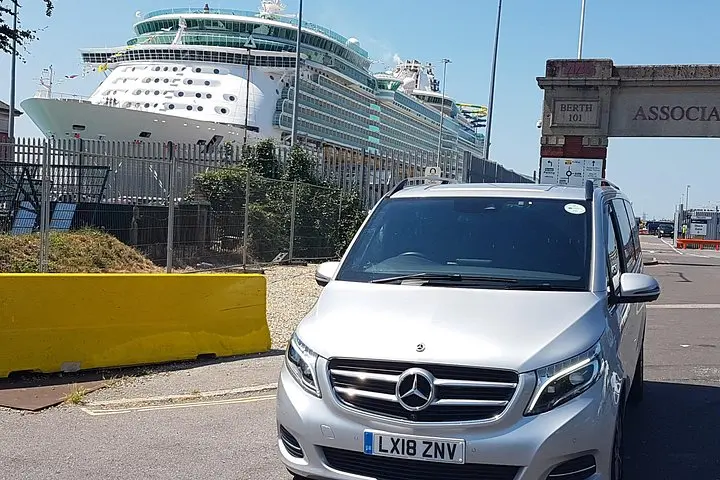
You meet the driver at the arrivals hall, the Mercedes idling with the rest of the port traffic. The motorway unfurls west, fields and cut hedgerows becoming broader parkland; Stonehenge appears on the horizon like a deliberate interruption in the landscape, stones holding their posture against wind and light.
Verified experiences and guided adventures in the surrounding area.
Operated by Londoncruise-transfers · Amesbury, England
You meet the driver at the arrivals hall, the Mercedes idling with the rest of the port traffic. The motorway unfurls west, fields and cut hedgerows becoming broader parkland; Stonehenge appears on the horizon like a deliberate interruption in the landscape, stones holding their posture against wind and light.
The circle at Stonehenge is an archaeological anchor—Neolithic builders began work here around 3000–2000 BCE. Geologically, the sarsen stones are local sandstone while the smaller bluestones trace back to Preseli Hills in Wales, telling a movement story as much as a construction one. From there the tour slips into Lacock, where timber-framed cottages and narrow lanes reflect centuries of rural English life; the village has doubled for film sets precisely because its streets remain largely unchanged since the 18th–19th centuries.
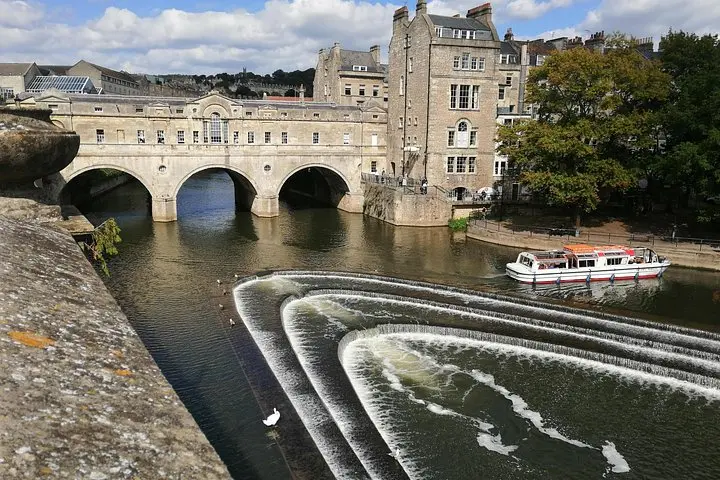
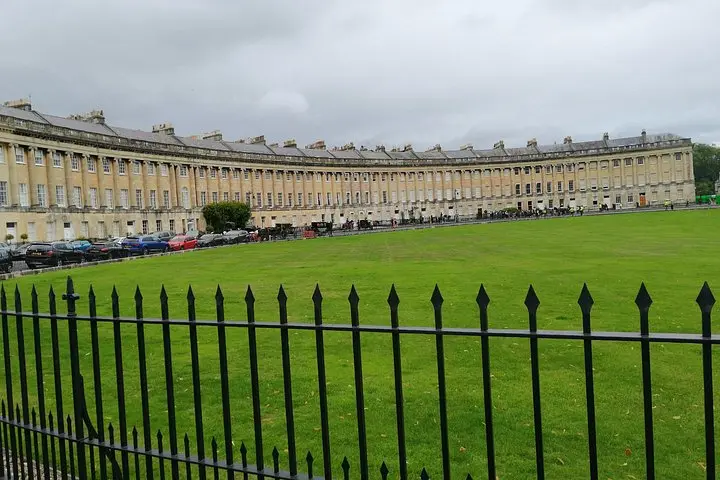
Bath finishes the day with Roman engineering still legible: hot springs drove settlement, and the Baths preserve vaulted masonry, lead piping traces and the social logic of public bathing. Cultural notes: Bath’s Georgian façades date to the 18th century and owe as much to local limestone quarries as to Enlightenment-era taste.
Practical guidance: this is a long day—expect 10–12 hours including 2–3 hours of walking distributed across sites. Entrance fees are typically not included; book Roman Baths tickets in advance to save queue time. Wear comfortable, waterproof footwear and layer for wind and rain. Cruise passengers must provide ship and docking details at booking and allow time for embarkation. Hydrate and carry a small daypack; drop-off options in London are flexible but subject to traffic delays.
No—this private transfer provides transport and meet-and-greet services; entrance fees to attractions are usually not included, so purchase tickets separately.
Pickup is at Southampton Cruise Terminal; the tour finishes with a drop-off in central London (hotel or address provided), timing subject to traffic.
Yes if you provide exact ship and reboarding times at booking, but allow buffer for traffic and site timing—confirm timing with the operator.
The vehicle and meet-and-greet are accessible, but site access varies: Stonehenge has routes suitable for wheelchairs though some areas are uneven; Bath and Lacock have cobbles and steps—check with the operator about specific needs.
Londoncruise-transfers operates guided outdoor trips and adventures with an emphasis on safety, stewardship, and memorable experiences.
You meet the driver at the arrivals hall, the Mercedes idling with the rest of the port traffic. The motorway unfurls west, fields and cut hedgerows becoming broader parkland; Stonehenge appears on the horizon like a deliberate interruption in the landscape, stones holding their posture against wind and light.
You meet the driver at the arrivals hall, the Mercedes idling with the rest of the port traffic. The motorway unfurls west, fields and cut hedgerows becoming broader parkland; Stonehenge appears on the horizon like a deliberate interruption in the landscape, stones holding their posture against wind and light.
The circle at Stonehenge is an archaeological anchor—Neolithic builders began work here around 3000–2000 BCE. Geologically, the sarsen stones are local sandstone while the smaller bluestones trace back to Preseli Hills in Wales, telling a movement story as much as a construction one. From there the tour slips into Lacock, where timber-framed cottages and narrow lanes reflect centuries of rural English life; the village has doubled for film sets precisely because its streets remain largely unchanged since the 18th–19th centuries.
Bath finishes the day with Roman engineering still legible: hot springs drove settlement, and the Baths preserve vaulted masonry, lead piping traces and the social logic of public bathing. Cultural notes: Bath’s Georgian façades date to the 18th century and owe as much to local limestone quarries as to Enlightenment-era taste.
Practical guidance: this is a long day—expect 10–12 hours including 2–3 hours of walking distributed across sites. Entrance fees are typically not included; book Roman Baths tickets in advance to save queue time. Wear comfortable, waterproof footwear and layer for wind and rain. Cruise passengers must provide ship and docking details at booking and allow time for embarkation. Hydrate and carry a small daypack; drop-off options in London are flexible but subject to traffic delays.