THE ADVENTURE COLLECTIVE® · Independent discovery and booking for outdoor travel

Ride the southeast coast of Barbados by e-bike: a 2–2.5 hour loop through St. John and St. Philip with coastal views, short climbs, and guided stops at Codrington College and the Culpepper Island lookout. Ideal for riders who want scenic exposure without sustained effort.
Ride the southeast coast of Barbados by e-bike: a 2–2.5 hour loop through St. John and St. Philip with coastal views, short climbs, and guided stops at Codrington College and the Culpepper Island lookout. Ideal for riders who want scenic exposure without sustained effort.
The ride starts with the sea at your shoulder and the road curving like a ribbon around coral headlands. Guides check helmets, the whirr of electric motors replaces the hum of traffic, and riders peel away into open fields where wind pushes the grasses and pushes riders forward in equal measure.
Verified experiences and guided adventures in the surrounding area.
Operated by Gears246 Ebikes Ltd · Bridgetown, St Philip
The ride starts with the sea at your shoulder and the road curving like a ribbon around coral headlands. Guides check helmets, the whirr of electric motors replaces the hum of traffic, and riders peel away into open fields where wind pushes the grasses and pushes riders forward in equal measure.
This two-hour e-bike loop threads through the parishes of St. John and St. Philip, passing Codrington College — one of the oldest Anglican theological colleges in the Americas — and former sugarcane fields that shaped Barbados’s colonial economy. Geology here is limestone with exposed coral terraces and cliffs that frame Atlantic surf; the east coast’s raw waves contrast the calmer west, offering dramatic viewpoints and seaworn rock outcrops.
Locally led, the tour blends paved backroads with short trail sections and photo stops made-for-bikes, including the Culpepper Island lookout. Guides share cultural snapshots — fishing huts, roadside food stalls selling fish cutters, and stories about plantation-era landscapes rewilding into pasture and scrub.
Practically: expect rolling grades rather than sustained climbs (peak ascent roughly 5–100m). E-bikes cover more ground with less fatigue, but riders should be comfortable balancing on mixed surfaces and negotiating narrow lanes. Hydrate before you leave, wear sun-protective layers, and bring a small pack for snacks and a camera.
This ride suits easy-to-moderate fitness levels and travelers who want coastal exposure without long climbs. It’s a social, place-forward experience — equal parts local history, seascape, and the simple joy of moving through Barbados at two wheels and an electric boost.
The tour runs about 2–2.5 hours (roughly 135 minutes); most riding is on paved or hard-packed country lanes with short sections of trail and off-road approach to lookouts.
Yes — e-bikes assist pedaling and guides adjust pace for mixed-ability groups, but riders should be comfortable balancing and braking on narrow roads.
Bring water and a light snack; guides typically stop at local vendors where you can purchase food or try a quick refreshment.
Not recommended for children under 13 per operator policy; participants should meet minimum height and fitness requirements and be able to follow safety instructions.
Gears246 Ebikes Ltd operates guided outdoor trips and adventures with an emphasis on safety, stewardship, and memorable experiences.
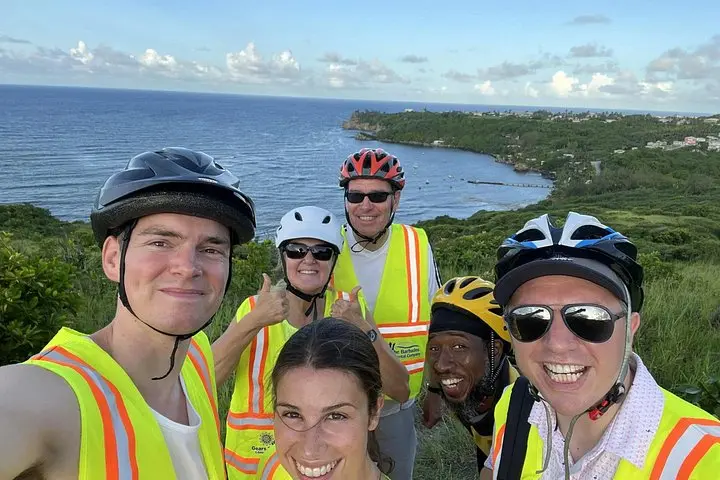
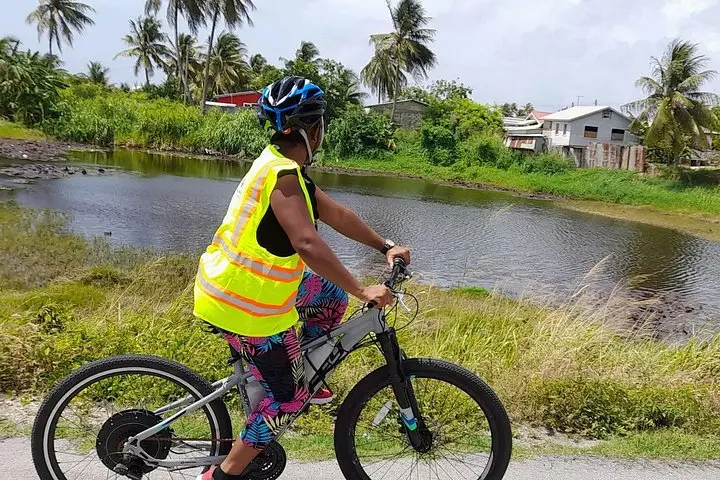
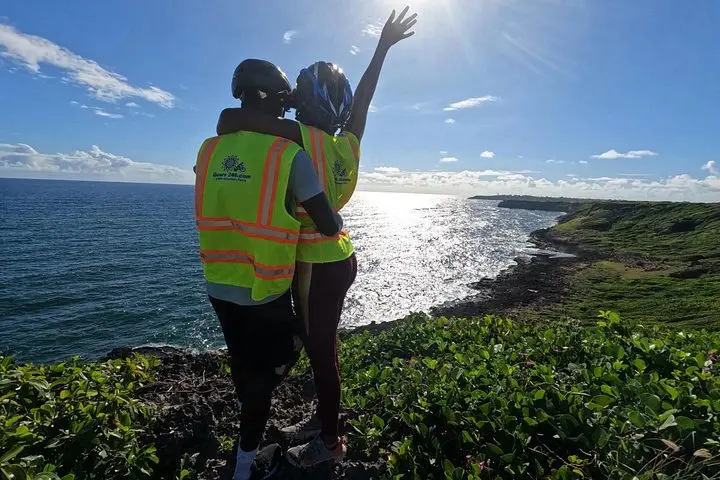
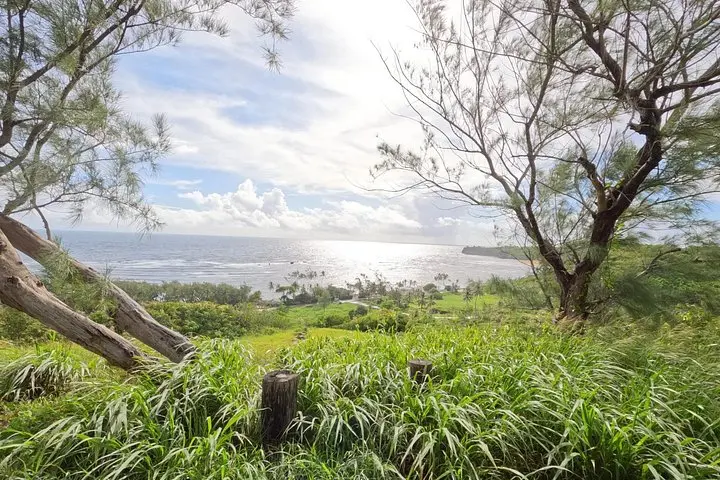
The ride starts with the sea at your shoulder and the road curving like a ribbon around coral headlands. Guides check helmets, the whirr of electric motors replaces the hum of traffic, and riders peel away into open fields where wind pushes the grasses and pushes riders forward in equal measure.
The ride starts with the sea at your shoulder and the road curving like a ribbon around coral headlands. Guides check helmets, the whirr of electric motors replaces the hum of traffic, and riders peel away into open fields where wind pushes the grasses and pushes riders forward in equal measure.
This two-hour e-bike loop threads through the parishes of St. John and St. Philip, passing Codrington College — one of the oldest Anglican theological colleges in the Americas — and former sugarcane fields that shaped Barbados’s colonial economy. Geology here is limestone with exposed coral terraces and cliffs that frame Atlantic surf; the east coast’s raw waves contrast the calmer west, offering dramatic viewpoints and seaworn rock outcrops.
Locally led, the tour blends paved backroads with short trail sections and photo stops made-for-bikes, including the Culpepper Island lookout. Guides share cultural snapshots — fishing huts, roadside food stalls selling fish cutters, and stories about plantation-era landscapes rewilding into pasture and scrub.
Practically: expect rolling grades rather than sustained climbs (peak ascent roughly 5–100m). E-bikes cover more ground with less fatigue, but riders should be comfortable balancing on mixed surfaces and negotiating narrow lanes. Hydrate before you leave, wear sun-protective layers, and bring a small pack for snacks and a camera.
This ride suits easy-to-moderate fitness levels and travelers who want coastal exposure without long climbs. It’s a social, place-forward experience — equal parts local history, seascape, and the simple joy of moving through Barbados at two wheels and an electric boost.