THE ADVENTURE COLLECTIVE® · Independent discovery and booking for outdoor travel

Trace the Rift Valley from Hawassa to the Omo: lakes teeming with hippos, UNESCO-listed terraces, and tribal markets where cloth, cattle and custom shape daily life. This seven-day loop blends wildlife viewing with deep cultural encounters.
Trace the Rift Valley from Hawassa to the Omo: lakes teeming with hippos, UNESCO-listed terraces, and tribal markets where cloth, cattle and custom shape daily life. This seven-day loop blends wildlife viewing with deep cultural encounters.
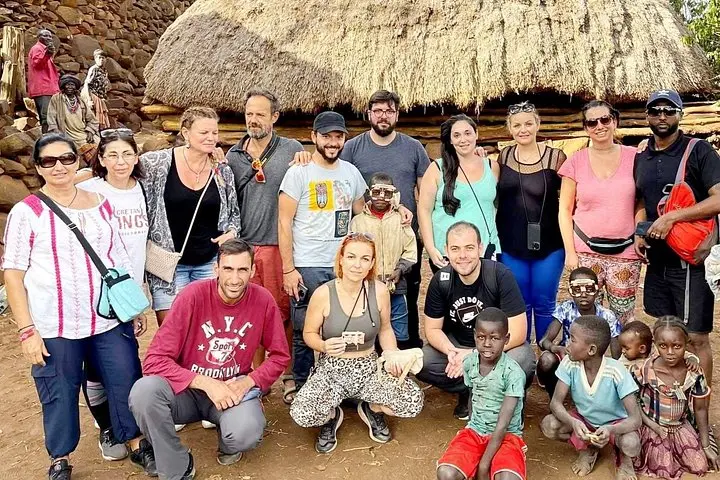
The first light over Lake Hawassa pins silver to the water and the oars cut through a calm that seems to hold a century of stories. On this seven-day loop from Hawassa into the Rift Valley and Omo Valley, villages, terraces and rivers take turns calling your attention: Dorze weavers plaiting bamboo huts, Konso terraces carved into volcanic slopes, hippos hauling at dawn in Lake Chamo, and the Mursi women—whose lip plates are a marked cultural signal—standing near the riverbank.
Verified experiences and guided adventures in the surrounding area.
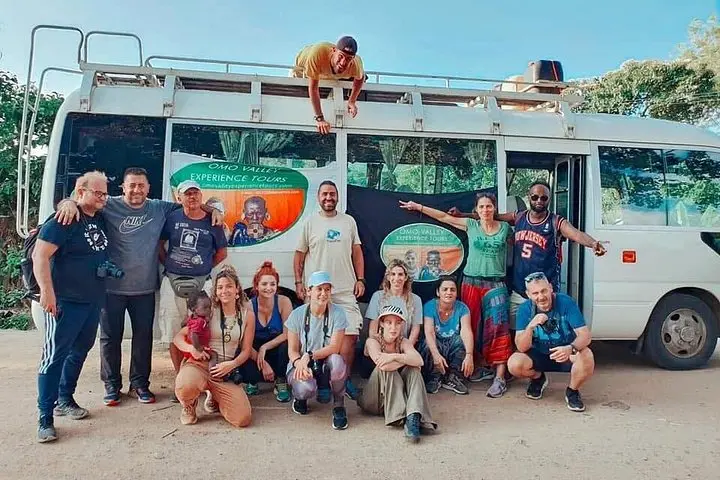
Operated by Omo Valley Experience Tours · Hawassa, Sidama Region
The first light over Lake Hawassa pins silver to the water and the oars cut through a calm that seems to hold a century of stories. On this seven-day loop from Hawassa into the Rift Valley and Omo Valley, villages, terraces and rivers take turns calling your attention: Dorze weavers plaiting bamboo huts, Konso terraces carved into volcanic slopes, hippos hauling at dawn in Lake Chamo, and the Mursi women—whose lip plates are a marked cultural signal—standing near the riverbank.
Geology here is active: the Rift Valley’s faults and volcanic highs created long lakes and hot springs, and the land’s uplift shaped the agricultural terraces the Konso people still tend. Culturally, this corridor is one of Ethiopia’s richest concentrations of living traditions; markets are negotiation theaters where cattle, cloth and salt still set the day’s rhythm. Naturalists come for birdlife, crocodiles and hippos on Lake Chamo; social-ethnographers come for the Hamer, Ari and Erbore communities and their distinctive dress and rites.
Practical guidance: expect long drives on graded and unpaved roads, short village walks of 1–2 hours, and intermittent game-boat trips. Carry a refillable water bottle, wear sturdy shoes with grip for rocky village paths, and bring neutral clothing for respectful village visits. Photography of people is common but always ask first—many communities appreciate small payments in exchange for portraits. Travel light during midday heat and plan cultural visits for morning or late afternoon when local markets and rites are most active. This itinerary balances wildlife viewing and immersive cultural contact; the land will test your rhythm and invite you to match it.
Consult a travel clinic before departure—vaccinations for hepatitis A, typhoid and routine immunizations are commonly recommended; carry antimalarial medication as advised by your doctor.
Daily activity is light-to-moderate: short guided village walks (up to 1–2 hours), boat trips, and market strolls; no technical hiking is required.
Yes—private 4x4 transfers and an English-speaking guide make it feasible for solo travelers; single supplements may apply for accommodations.
Reputable operators arrange guided, consent-based visits and village entry permits; ask your guide about appropriate behavior, photography permissions, and whether small gifts or fees are expected.
Omo Valley Experience Tours operates guided outdoor trips and adventures with an emphasis on safety, stewardship, and memorable experiences.

The first light over Lake Hawassa pins silver to the water and the oars cut through a calm that seems to hold a century of stories. On this seven-day loop from Hawassa into the Rift Valley and Omo Valley, villages, terraces and rivers take turns calling your attention: Dorze weavers plaiting bamboo huts, Konso terraces carved into volcanic slopes, hippos hauling at dawn in Lake Chamo, and the Mursi women—whose lip plates are a marked cultural signal—standing near the riverbank.
The first light over Lake Hawassa pins silver to the water and the oars cut through a calm that seems to hold a century of stories. On this seven-day loop from Hawassa into the Rift Valley and Omo Valley, villages, terraces and rivers take turns calling your attention: Dorze weavers plaiting bamboo huts, Konso terraces carved into volcanic slopes, hippos hauling at dawn in Lake Chamo, and the Mursi women—whose lip plates are a marked cultural signal—standing near the riverbank.
Geology here is active: the Rift Valley’s faults and volcanic highs created long lakes and hot springs, and the land’s uplift shaped the agricultural terraces the Konso people still tend. Culturally, this corridor is one of Ethiopia’s richest concentrations of living traditions; markets are negotiation theaters where cattle, cloth and salt still set the day’s rhythm. Naturalists come for birdlife, crocodiles and hippos on Lake Chamo; social-ethnographers come for the Hamer, Ari and Erbore communities and their distinctive dress and rites.
Practical guidance: expect long drives on graded and unpaved roads, short village walks of 1–2 hours, and intermittent game-boat trips. Carry a refillable water bottle, wear sturdy shoes with grip for rocky village paths, and bring neutral clothing for respectful village visits. Photography of people is common but always ask first—many communities appreciate small payments in exchange for portraits. Travel light during midday heat and plan cultural visits for morning or late afternoon when local markets and rites are most active. This itinerary balances wildlife viewing and immersive cultural contact; the land will test your rhythm and invite you to match it.