THE ADVENTURE COLLECTIVE® · Independent discovery and booking for outdoor travel

An eight-day, off-trail expedition from Ushuaia to Sloggett Bay across the remote Mitre Peninsula. Expect tidal beaches, river fords, shipwrecks and Yaghan archaeological sites on terrain that demands strong fitness and sure navigation.
An eight-day, off-trail expedition from Ushuaia to Sloggett Bay across the remote Mitre Peninsula. Expect tidal beaches, river fords, shipwrecks and Yaghan archaeological sites on terrain that demands strong fitness and sure navigation.
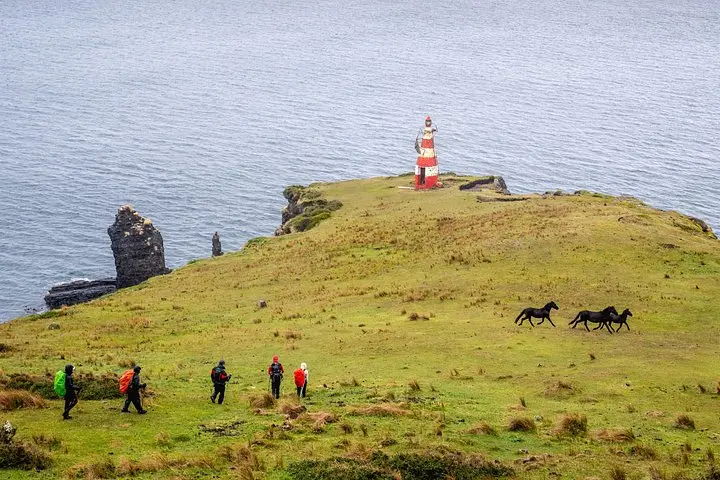
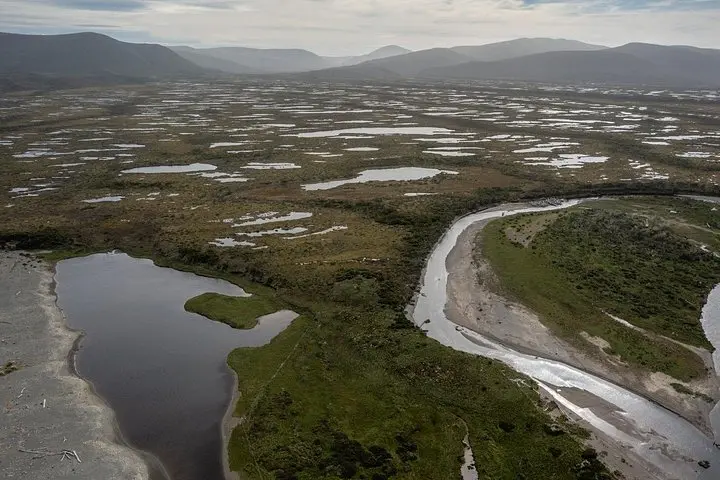
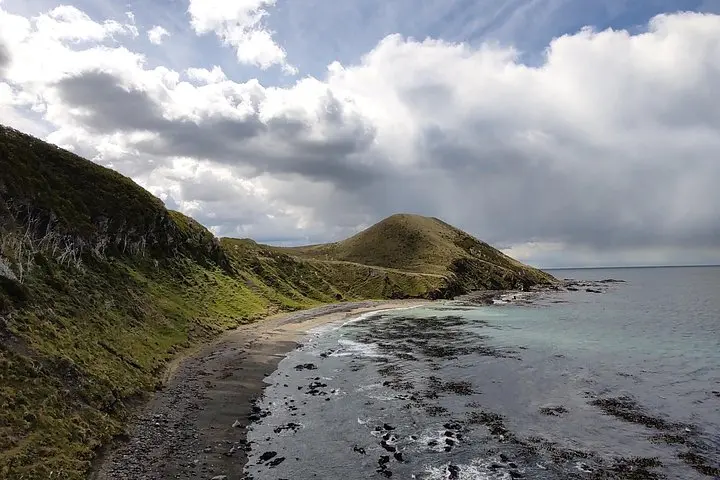
A scrubbed wind drives beads of spray across the beach as the group tightens packs and reads the contour of the coast. You step off Route J and toward a landscape that refuses signposts: pebble spits, peat flats, scrubby forest and the long blue arc of the Beagle Channel opening toward the Atlantic. The Mitre Peninsula doesn’t invite casual passage; it insists on attention.
Verified experiences and guided adventures in the surrounding area.
Operated by Patagon Mountain Agency · Ushuaia, Tierra del Fuego
A scrubbed wind drives beads of spray across the beach as the group tightens packs and reads the contour of the coast. You step off Route J and toward a landscape that refuses signposts: pebble spits, peat flats, scrubby forest and the long blue arc of the Beagle Channel opening toward the Atlantic. The Mitre Peninsula doesn’t invite casual passage; it insists on attention.
This eight-day traverse follows old horse and guanaco tracks, threads tidal beaches and fords braided rivers. Geologically, the headland is carved from glacially scoured bedrock and soft volcanic sediments; erosion leaves cliffs, gold-dredge relics and shipwreck timbers like the Nashachata visible at low tide. Culturally the route crosses Yaghan territory and sites where coastal foragers once hunted and camped, and early 20th-century gold dredging left industrial scars near Sloggett Bay.
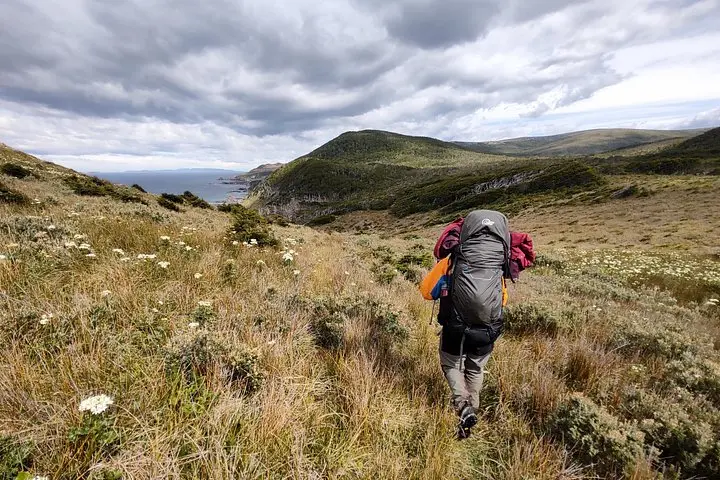
Expect no marked trails, intermittent beaches, muddy “matacaballos” descents and dense beech forest. Weather is mutable: wind-driven rain can arrive in minutes, and tides dictate sections of the route. Guides manage camping, river fords and navigation; equipment lists usually include tents and sleeping insulation, but personal dry bags and a robust pack are essential.
Practical guidance: travel light but prepared—layer for wind and wet, carry navigation tools and emergency comms, and schedule buffer days for weather. Respect tide windows, keep camps off fragile peat, and allow time to scan the coast for sea lions and seabirds. This is true wilderness travel: hard underfoot, generous in reward.
This is an off-trail, multi-day expedition for experienced backcountry hikers comfortable with navigation, river fording and carrying a full pack.
Expect no reliable cell signal on the Mitre Peninsula; guides carry satellite or VHF emergency comms on organized trips.
Many operators include tents, sleeping bags and insulation—confirm the gear list and bring personal liners if you prefer extra warmth.
Southern summer (December–March) offers milder temperatures and longer daylight, though weather remains unpredictable year-round.
Patagon Mountain Agency operates guided outdoor trips and adventures with an emphasis on safety, stewardship, and memorable experiences.
A scrubbed wind drives beads of spray across the beach as the group tightens packs and reads the contour of the coast. You step off Route J and toward a landscape that refuses signposts: pebble spits, peat flats, scrubby forest and the long blue arc of the Beagle Channel opening toward the Atlantic. The Mitre Peninsula doesn’t invite casual passage; it insists on attention.
A scrubbed wind drives beads of spray across the beach as the group tightens packs and reads the contour of the coast. You step off Route J and toward a landscape that refuses signposts: pebble spits, peat flats, scrubby forest and the long blue arc of the Beagle Channel opening toward the Atlantic. The Mitre Peninsula doesn’t invite casual passage; it insists on attention.
This eight-day traverse follows old horse and guanaco tracks, threads tidal beaches and fords braided rivers. Geologically, the headland is carved from glacially scoured bedrock and soft volcanic sediments; erosion leaves cliffs, gold-dredge relics and shipwreck timbers like the Nashachata visible at low tide. Culturally the route crosses Yaghan territory and sites where coastal foragers once hunted and camped, and early 20th-century gold dredging left industrial scars near Sloggett Bay.
Expect no marked trails, intermittent beaches, muddy “matacaballos” descents and dense beech forest. Weather is mutable: wind-driven rain can arrive in minutes, and tides dictate sections of the route. Guides manage camping, river fords and navigation; equipment lists usually include tents and sleeping insulation, but personal dry bags and a robust pack are essential.
Practical guidance: travel light but prepared—layer for wind and wet, carry navigation tools and emergency comms, and schedule buffer days for weather. Respect tide windows, keep camps off fragile peat, and allow time to scan the coast for sea lions and seabirds. This is true wilderness travel: hard underfoot, generous in reward.