THE ADVENTURE COLLECTIVE® · Independent discovery and booking for outdoor travel

Covering Tropea, Matera, Alberobello, Capri and the Amalfi Coast, this 9-day first-class tour pairs dramatic seaside landscapes with UNESCO towns and guided visits to Pompeii and Herculaneum. Expect cliffside views, grottoes, and daily walking tours.
Covering Tropea, Matera, Alberobello, Capri and the Amalfi Coast, this 9-day first-class tour pairs dramatic seaside landscapes with UNESCO towns and guided visits to Pompeii and Herculaneum. Expect cliffside views, grottoes, and daily walking tours.
From a small boat off Tropea the town looks like a stage set: white buildings perched on volcanic rock, a church on its promontory and the Tyrrhenian Sea daring you to step closer.
Verified experiences and guided adventures in the surrounding area.
Operated by CharlieTheTraveler · Tropea, Calabria
From a small boat off Tropea the town looks like a stage set: white buildings perched on volcanic rock, a church on its promontory and the Tyrrhenian Sea daring you to step closer.
This nine-day loop moves south along two coastlines and through towns where geology and history meet. Cliff-carved beaches yield to the calcite caves of Castellana, formed over millions of years; inland, Matera’s Sassi — dwellings cut into sandstone — record continuous human occupation back millennia. Pompeii and Herculaneum are grim, direct reminders of Vesuvius’s sudden power, while the Amalfi Coast’s terraced gardens show how people have coaxed agriculture from steep limestone slopes.
Culture here is elbow-to-elbow and sensory: fishermen hauling nets at dawn, the tang of citrus in narrow streets, Trulli rooftops in Alberobello that look like stacked hats. Capri and Positano bring dramatic sea cliffs and glamor; Polignano a Mare offers cliffside jump spots and sea caves to peer into.
Practical guidance: expect multiple short walks daily—cobblestones and stairs dominate—so steady walking shoes are essential and a small daypack keeps water and documents handy. Boat legs can be exposed; bring a light waterproof and sun protection. Plan for early starts to beat heat and crowds on Amalfi and Capri. Hotels and transfers are included, but carry a modest amount of euros for cafés and tips. Pace yourself: the itinerary is rich and dense—this tour shows a lot of southern Italy, but it asks you to move with it.
Expect guided walking tours of towns and short on-foot transfers between transport and sites—typically 2–4 miles per day on uneven terrain and many stairs.
Yes—this first-class package includes hotels, ground and water transportation, guided tours and listed entrance fees in the itinerary.
The tour includes uneven cobblestones, stairs and boat transfers; it is not ideal for travelers with significant mobility restrictions.
Late spring (May–June) and early fall (September) balance mild weather and fewer crowds; summer is busier and hotter but offers more boat access.
CharlieTheTraveler operates guided outdoor trips and adventures with an emphasis on safety, stewardship, and memorable experiences.


From a small boat off Tropea the town looks like a stage set: white buildings perched on volcanic rock, a church on its promontory and the Tyrrhenian Sea daring you to step closer.
From a small boat off Tropea the town looks like a stage set: white buildings perched on volcanic rock, a church on its promontory and the Tyrrhenian Sea daring you to step closer.
This nine-day loop moves south along two coastlines and through towns where geology and history meet. Cliff-carved beaches yield to the calcite caves of Castellana, formed over millions of years; inland, Matera’s Sassi — dwellings cut into sandstone — record continuous human occupation back millennia. Pompeii and Herculaneum are grim, direct reminders of Vesuvius’s sudden power, while the Amalfi Coast’s terraced gardens show how people have coaxed agriculture from steep limestone slopes.
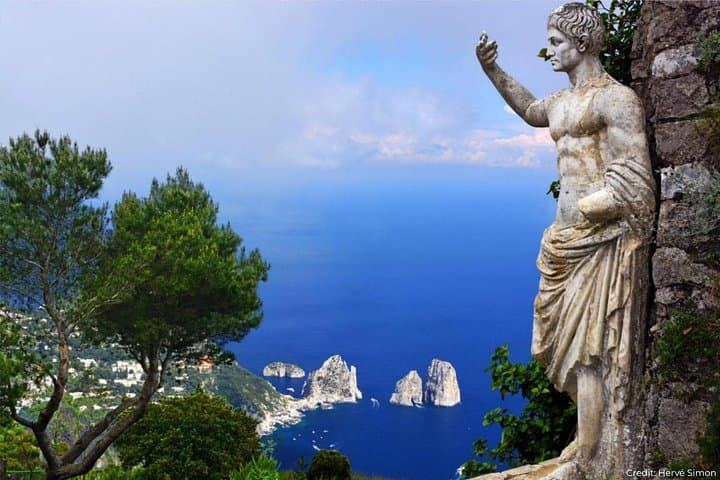
Culture here is elbow-to-elbow and sensory: fishermen hauling nets at dawn, the tang of citrus in narrow streets, Trulli rooftops in Alberobello that look like stacked hats. Capri and Positano bring dramatic sea cliffs and glamor; Polignano a Mare offers cliffside jump spots and sea caves to peer into.
Practical guidance: expect multiple short walks daily—cobblestones and stairs dominate—so steady walking shoes are essential and a small daypack keeps water and documents handy. Boat legs can be exposed; bring a light waterproof and sun protection. Plan for early starts to beat heat and crowds on Amalfi and Capri. Hotels and transfers are included, but carry a modest amount of euros for cafés and tips. Pace yourself: the itinerary is rich and dense—this tour shows a lot of southern Italy, but it asks you to move with it.