THE ADVENTURE COLLECTIVE® · Independent discovery and booking for outdoor travel

A compact 10-day small-group tour from Rome to Palermo that combines iconic archaeological sites, Amalfi coastline, and Etna’s volcanic landscapes. Designed for travelers who want guided insight, comfortable transport, and a steady pace with room for local discoveries.
A compact 10-day small-group tour from Rome to Palermo that combines iconic archaeological sites, Amalfi coastline, and Etna’s volcanic landscapes. Designed for travelers who want guided insight, comfortable transport, and a steady pace with room for local discoveries.
You step off the Mercedes van in a Roman piazza as morning light slants across travertine and the guide checks names—ten travelers, nine nights, two islands. The engine hums; the itinerary unfolds like a map drawn in layers: Imperial Rome, the volcanic silhouette of Vesuvius, the pastel verticality of the Amalfi coast, and Sicily’s Greek temples and Etna’s ash-scoured slopes.
Verified experiences and guided adventures in the surrounding area.
Operated by Catania Tour Private Day Tour · Rome, Lazio
You step off the Mercedes van in a Roman piazza as morning light slants across travertine and the guide checks names—ten travelers, nine nights, two islands. The engine hums; the itinerary unfolds like a map drawn in layers: Imperial Rome, the volcanic silhouette of Vesuvius, the pastel verticality of the Amalfi coast, and Sicily’s Greek temples and Etna’s ash-scoured slopes.
This route threads centuries: Roman forums and Pompeii’s frozen streets, Norman mosaics in Monreale, Greek temples at Agrigento and Piazza Armerina’s imperial villa. Geology meets culture on Vesuvius and Etna—active stratovolcanoes whose lava and tephra shaped local soils and winery traditions. Coastal towns hold a maritime culture shaped by Greek, Arab, Norman, and Spanish rule; markets and culinary techniques still bear those signatures.
Expect a travel rhythm of short guided walks and longer transfers—several 3–5 hour drives broken by 1–3 hour site visits and free periods in Taormina, Sorrento, and Cefalù. Terrain is mixed: cobbled streets, archaeological ruins with uneven stone, and light volcanic scree on Etna’s lower routes. The group size (max 10) keeps logistics nimble and allows time for wine tastings and spontaneous detours.
Practical tips: pack layered clothing for coastal breezes and cooler high-elevation nights on Etna, bring sturdy walking shoes for ruins, and carry a daypack with water and sun protection. Reserve museum tickets when offered and maintain a flexible pace—sites are best enjoyed early or late in the day when light and crowds shift. This trip balances cultural depth with outdoor moments—historic stones, sea air, and a volcano that keeps one edge of the itinerary quietly alive.
Groups are capped at 10 travelers to keep transfers and site visits manageable and intimate.
Yes—private Mercedes van transport and inter-site transfers are included throughout the 10-day itinerary.
Nine dinners and nine breakfasts are included; other meals and personal expenses are typically independent unless specified.
The operator advertises flexibility and can adjust timing or add stops time-permitting—discuss options at booking or with your guide.
Catania Tour Private Day Tour operates guided outdoor trips and adventures with an emphasis on safety, stewardship, and memorable experiences.
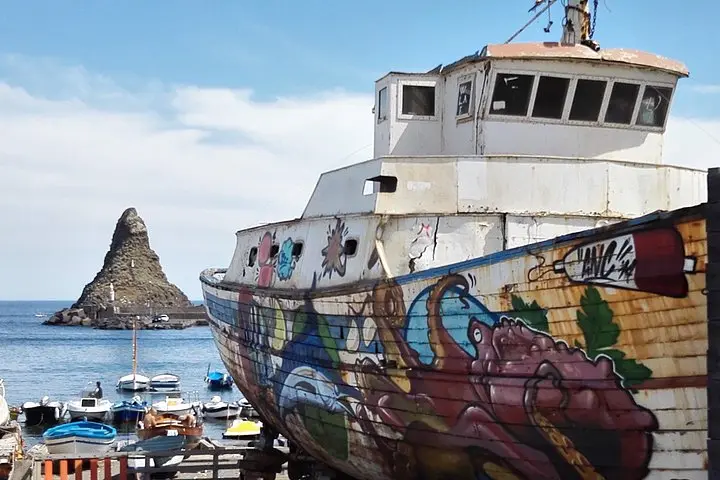
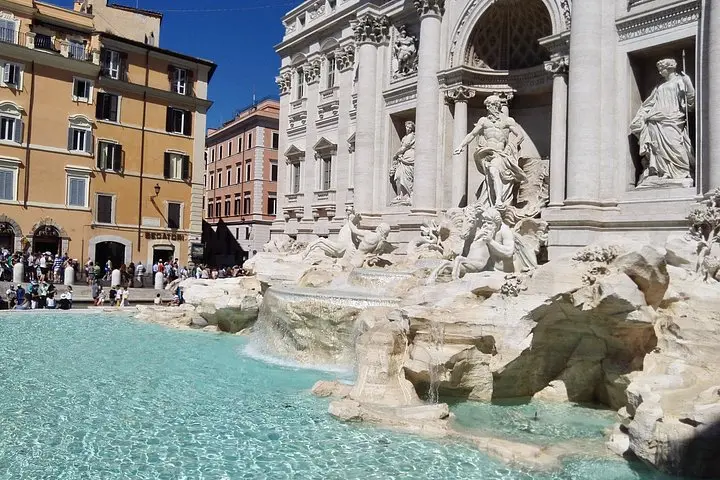
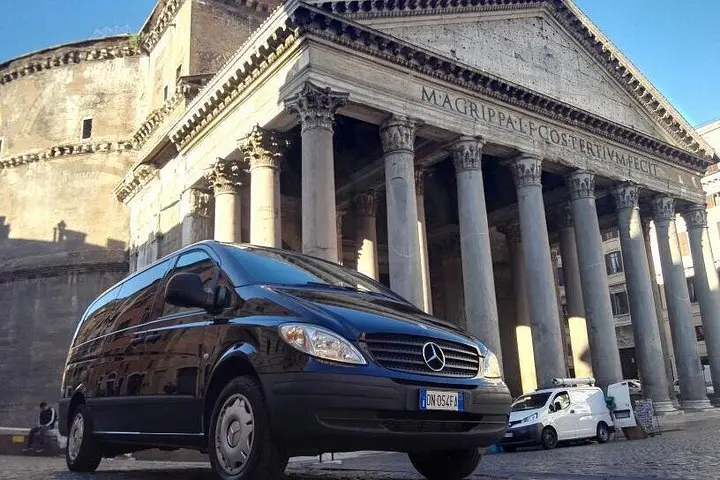
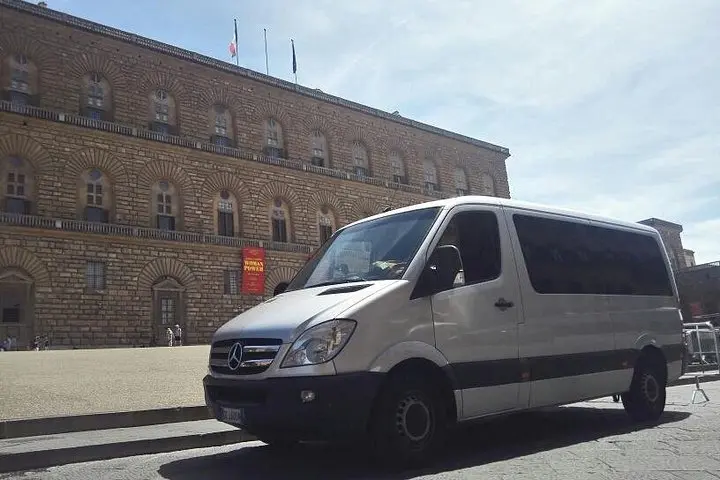
You step off the Mercedes van in a Roman piazza as morning light slants across travertine and the guide checks names—ten travelers, nine nights, two islands. The engine hums; the itinerary unfolds like a map drawn in layers: Imperial Rome, the volcanic silhouette of Vesuvius, the pastel verticality of the Amalfi coast, and Sicily’s Greek temples and Etna’s ash-scoured slopes.
You step off the Mercedes van in a Roman piazza as morning light slants across travertine and the guide checks names—ten travelers, nine nights, two islands. The engine hums; the itinerary unfolds like a map drawn in layers: Imperial Rome, the volcanic silhouette of Vesuvius, the pastel verticality of the Amalfi coast, and Sicily’s Greek temples and Etna’s ash-scoured slopes.
This route threads centuries: Roman forums and Pompeii’s frozen streets, Norman mosaics in Monreale, Greek temples at Agrigento and Piazza Armerina’s imperial villa. Geology meets culture on Vesuvius and Etna—active stratovolcanoes whose lava and tephra shaped local soils and winery traditions. Coastal towns hold a maritime culture shaped by Greek, Arab, Norman, and Spanish rule; markets and culinary techniques still bear those signatures.
Expect a travel rhythm of short guided walks and longer transfers—several 3–5 hour drives broken by 1–3 hour site visits and free periods in Taormina, Sorrento, and Cefalù. Terrain is mixed: cobbled streets, archaeological ruins with uneven stone, and light volcanic scree on Etna’s lower routes. The group size (max 10) keeps logistics nimble and allows time for wine tastings and spontaneous detours.
Practical tips: pack layered clothing for coastal breezes and cooler high-elevation nights on Etna, bring sturdy walking shoes for ruins, and carry a daypack with water and sun protection. Reserve museum tickets when offered and maintain a flexible pace—sites are best enjoyed early or late in the day when light and crowds shift. This trip balances cultural depth with outdoor moments—historic stones, sea air, and a volcano that keeps one edge of the itinerary quietly alive.