THE ADVENTURE COLLECTIVE® · Independent discovery and booking for outdoor travel

Trade crowded beaches for quiet granite shores on a four-day canoe trip through Kejimkujik’s southern lakes. Long paddle days, regular portages and remote backcountry campsites make this a true wilderness canoeing experience.
Trade crowded beaches for quiet granite shores on a four-day canoe trip through Kejimkujik’s southern lakes. Long paddle days, regular portages and remote backcountry campsites make this a true wilderness canoeing experience.
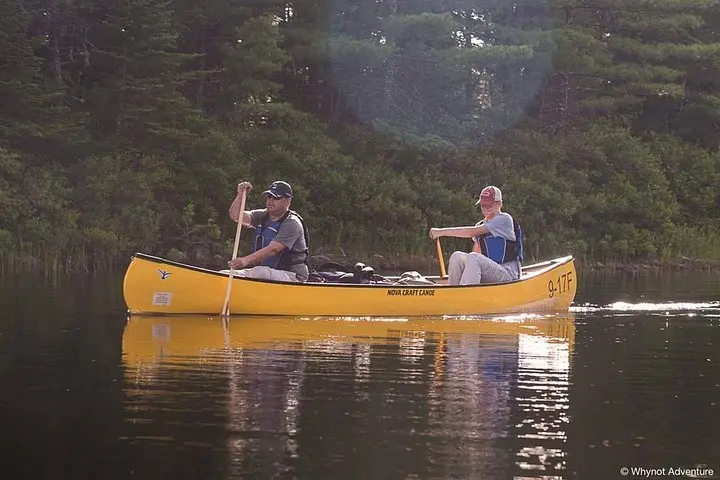
A gray paddle blade cuts the mirror, sending ripples toward a low shore of spruce and sand. Morning mist lifts off the southern lakes of Kejimkujik National Park, revealing a chain of small, quiet basins linked by narrow portage trails. Over four days, paddlers trade the hum of civilization for long strokes, sandy swims and nights beside private outhouses under a big, slow sky.
Verified experiences and guided adventures in the surrounding area.
Operated by Whynot Adventure Outfitters · Annapolis Royal, Nova Scotia
A gray paddle blade cuts the mirror, sending ripples toward a low shore of spruce and sand. Morning mist lifts off the southern lakes of Kejimkujik National Park, revealing a chain of small, quiet basins linked by narrow portage trails. Over four days, paddlers trade the hum of civilization for long strokes, sandy swims and nights beside private outhouses under a big, slow sky.
The lakes sit on ancient granite and glacial deposits carved during the last ice age; shallow bays and outcrops create intimate campsites and sheltered paddling. The park is Mi’kmaq territory with recorded ancestral sites nearby, and ranger-managed backcountry rules aim to protect fragile shorelines and archaeological features.
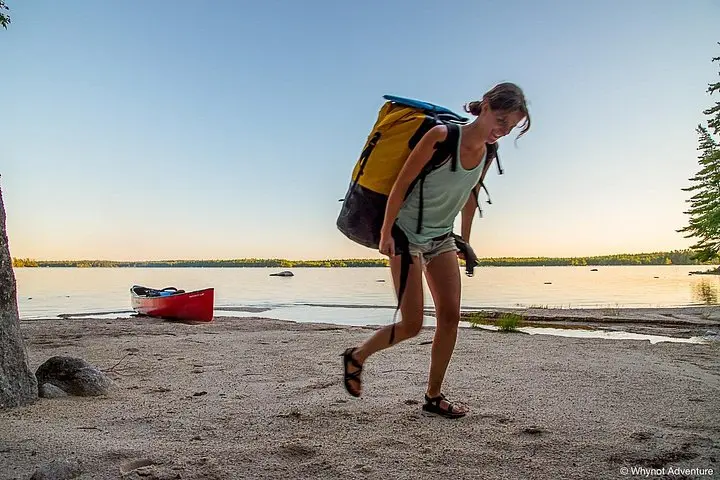
Expect multi-hour paddle days interrupted by short to moderate portages between lakes, swimming stops on warm afternoons, and evenings around a campfire with french-press coffee in the morning. Guides organize group gear, tents and safety equipment; you’ll learn efficient canoe packing and land carries if you haven’t portaged before.
Practical notes: protect food from raccoons and bears, carry layered clothing for Atlantic weather swings, and bring water purification for side streams. Best trips run late June–September for warm water and longer daylight; spring and fall offer quieter conditions but cooler mornings. Fitness-wise, participants should be comfortable with repetitive paddling, lifting 25–50 lb packs for portages, and basic campsite setup. The reward is true backcountry solitude: long sunsets, firefly displays in June, and loons calling over lakes that seem to dare you to slow down.
Portages are typically short to moderate in length but require lifting canoes and packs over uneven ground—good footwear and teamwork make them manageable.
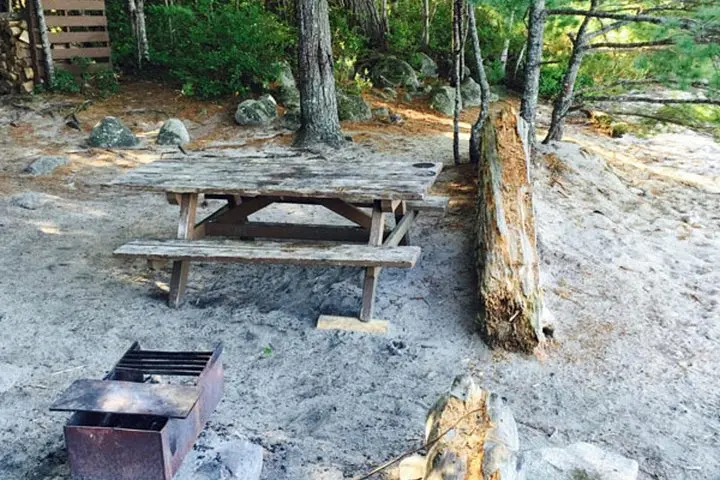
Many backcountry campsites on the southern lakes are widely spaced and feel remote; solitude is common but camps are assigned by guides to minimize impact.
Meals listed include breakfasts, lunches and dinners; guides provide group meals with options for dietary needs if advised at booking.
Novice campers comfortable with basic outdoor skills and physical portaging can join, but expect a learning curve and active days.
Whynot Adventure Outfitters operates guided outdoor trips and adventures with an emphasis on safety, stewardship, and memorable experiences.
A gray paddle blade cuts the mirror, sending ripples toward a low shore of spruce and sand. Morning mist lifts off the southern lakes of Kejimkujik National Park, revealing a chain of small, quiet basins linked by narrow portage trails. Over four days, paddlers trade the hum of civilization for long strokes, sandy swims and nights beside private outhouses under a big, slow sky.
A gray paddle blade cuts the mirror, sending ripples toward a low shore of spruce and sand. Morning mist lifts off the southern lakes of Kejimkujik National Park, revealing a chain of small, quiet basins linked by narrow portage trails. Over four days, paddlers trade the hum of civilization for long strokes, sandy swims and nights beside private outhouses under a big, slow sky.
The lakes sit on ancient granite and glacial deposits carved during the last ice age; shallow bays and outcrops create intimate campsites and sheltered paddling. The park is Mi’kmaq territory with recorded ancestral sites nearby, and ranger-managed backcountry rules aim to protect fragile shorelines and archaeological features.
Expect multi-hour paddle days interrupted by short to moderate portages between lakes, swimming stops on warm afternoons, and evenings around a campfire with french-press coffee in the morning. Guides organize group gear, tents and safety equipment; you’ll learn efficient canoe packing and land carries if you haven’t portaged before.
Practical notes: protect food from raccoons and bears, carry layered clothing for Atlantic weather swings, and bring water purification for side streams. Best trips run late June–September for warm water and longer daylight; spring and fall offer quieter conditions but cooler mornings. Fitness-wise, participants should be comfortable with repetitive paddling, lifting 25–50 lb packs for portages, and basic campsite setup. The reward is true backcountry solitude: long sunsets, firefly displays in June, and loons calling over lakes that seem to dare you to slow down.