THE ADVENTURE COLLECTIVE® · Independent discovery and booking for outdoor travel

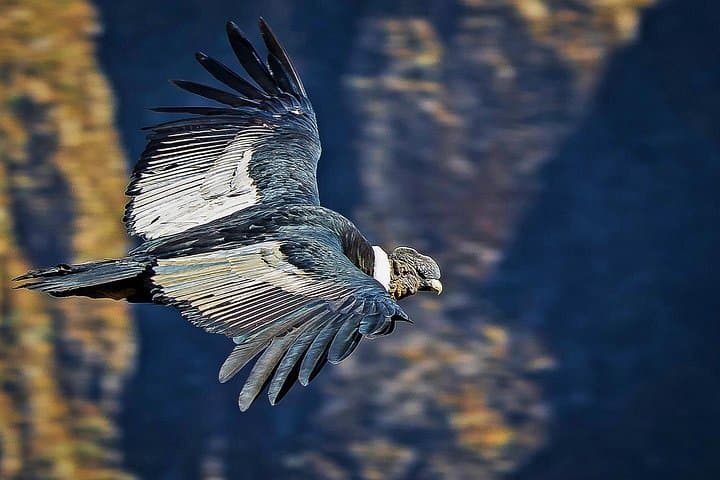
Move from coastal Lima to the high Andes in 10 days: volcano views in Arequipa, the condor flight over Colca Canyon, Lake Titicaca’s floating islands and the stonework of Machu Picchu. This itinerary balances culture, geology and manageable high-altitude travel.
Move from coastal Lima to the high Andes in 10 days: volcano views in Arequipa, the condor flight over Colca Canyon, Lake Titicaca’s floating islands and the stonework of Machu Picchu. This itinerary balances culture, geology and manageable high-altitude travel.
Dawn breaks over an Andean horizon and the air tastes thin and sharp. You step out on the high plains—volcano silhouettes rim the skyline while the Colca Valley’s winds dare you toward the canyon’s edge. Over ten days this route moves from Lima’s coastal heat to Arequipa’s white volcanic façades, across the high-altitude Altiplano to Lake Titicaca and into the stone-stitched heart of the Inca world at Cusco and Machu Picchu.
Verified experiences and guided adventures in the surrounding area.
Operated by Sun Gate Tours - Day Tours · Cusco, Cusco Region
Dawn breaks over an Andean horizon and the air tastes thin and sharp. You step out on the high plains—volcano silhouettes rim the skyline while the Colca Valley’s winds dare you toward the canyon’s edge. Over ten days this route moves from Lima’s coastal heat to Arequipa’s white volcanic façades, across the high-altitude Altiplano to Lake Titicaca and into the stone-stitched heart of the Inca world at Cusco and Machu Picchu.
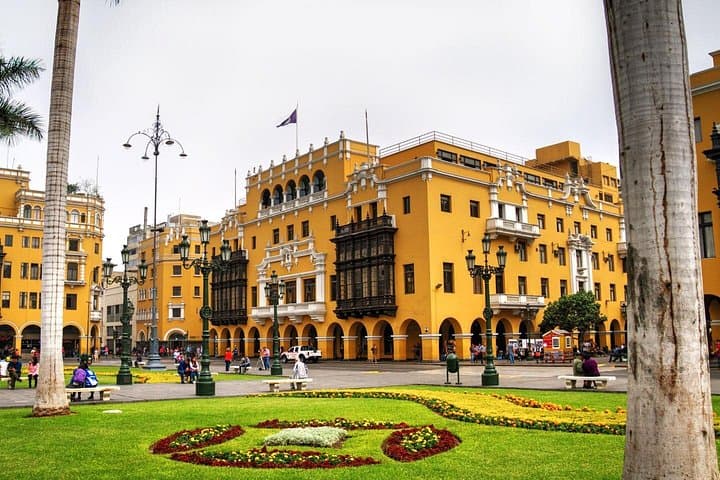
This loop traces distinct chapters of Peruvian history: Spanish colonial plazas in Lima and Arequipa’s sillar architecture; pre-Columbian terraces still farmed by Collagua communities; the floating reed islands of the Uros and Taquile’s Quechua textiles. Geologically, you cross volcanic slopes, the deep incision of Colca (nearly 4,000 m from rim to floor), and the broad soggy plains of the Altiplano at 3,800–4,800 m.
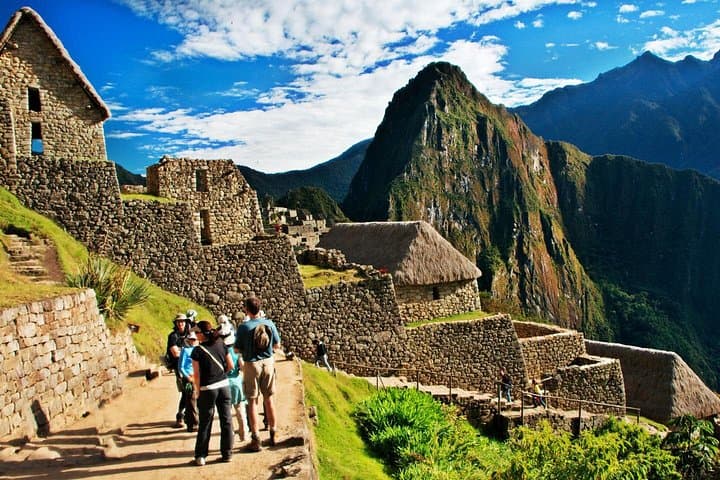
Expect varied terrain: paved colonial streets, dusty highland roads, short steep walks to viewpoints and uneven archaeological stonework. Typical transfers include a 6–7 hour bus from Chivay to Puno, a full-day bus to Cusco with stops, and a ~90-minute train from Ollantaytambo to Aguas Calientes. Machu Picchu sits at 2,430 m; plan 2–3 hours for the guided tour plus extra time if you hike the Sun Gate or Huayna Picchu (permit required).
Practical edge: prioritize acclimatization—take it easy the first 48 hours above 3,000 m, carry a water system, use high-SPF sun protection, and layer for wide temperature swings. Book trains and Machu Picchu tickets early in high season, and keep a flexible day around Cusco to adjust for altitude or transit delays.
Yes—many stops exceed 3,000 m. Allow time to acclimatize, stay hydrated, avoid heavy exertion for 48 hours, and consult a doctor about prophylactic medication if you have concerns.
The itinerary includes entrance fees per the itinerary; however, train and site schedules can change, so confirm ticket allocations when booking and consider purchasing early-season permits for Huayna Picchu if desired.
Expect several hours of guided walking on uneven stone steps and terraces; these are not technical hikes but require good balance and steady footing.
Vegetarian and other special diets are noted in the inclusions—notify the operator in advance so local providers can accommodate needs during the meals included.
Sun Gate Tours - Day Tours operates guided outdoor trips and adventures with an emphasis on safety, stewardship, and memorable experiences.
Dawn breaks over an Andean horizon and the air tastes thin and sharp. You step out on the high plains—volcano silhouettes rim the skyline while the Colca Valley’s winds dare you toward the canyon’s edge. Over ten days this route moves from Lima’s coastal heat to Arequipa’s white volcanic façades, across the high-altitude Altiplano to Lake Titicaca and into the stone-stitched heart of the Inca world at Cusco and Machu Picchu.
Dawn breaks over an Andean horizon and the air tastes thin and sharp. You step out on the high plains—volcano silhouettes rim the skyline while the Colca Valley’s winds dare you toward the canyon’s edge. Over ten days this route moves from Lima’s coastal heat to Arequipa’s white volcanic façades, across the high-altitude Altiplano to Lake Titicaca and into the stone-stitched heart of the Inca world at Cusco and Machu Picchu.
This loop traces distinct chapters of Peruvian history: Spanish colonial plazas in Lima and Arequipa’s sillar architecture; pre-Columbian terraces still farmed by Collagua communities; the floating reed islands of the Uros and Taquile’s Quechua textiles. Geologically, you cross volcanic slopes, the deep incision of Colca (nearly 4,000 m from rim to floor), and the broad soggy plains of the Altiplano at 3,800–4,800 m.
Expect varied terrain: paved colonial streets, dusty highland roads, short steep walks to viewpoints and uneven archaeological stonework. Typical transfers include a 6–7 hour bus from Chivay to Puno, a full-day bus to Cusco with stops, and a ~90-minute train from Ollantaytambo to Aguas Calientes. Machu Picchu sits at 2,430 m; plan 2–3 hours for the guided tour plus extra time if you hike the Sun Gate or Huayna Picchu (permit required).
Practical edge: prioritize acclimatization—take it easy the first 48 hours above 3,000 m, carry a water system, use high-SPF sun protection, and layer for wide temperature swings. Book trains and Machu Picchu tickets early in high season, and keep a flexible day around Cusco to adjust for altitude or transit delays.