THE ADVENTURE COLLECTIVE® · Independent discovery and booking for outdoor travel

Experience the Ndutu calving season in the southern Serengeti—up-close wildlife viewing during the short rains when thousands of wildebeest and zebra congregate and predators follow. This seven-day safari balances intense game drives with tented-camp nights and expert local guiding.
Experience the Ndutu calving season in the southern Serengeti—up-close wildlife viewing during the short rains when thousands of wildebeest and zebra congregate and predators follow. This seven-day safari balances intense game drives with tented-camp nights and expert local guiding.
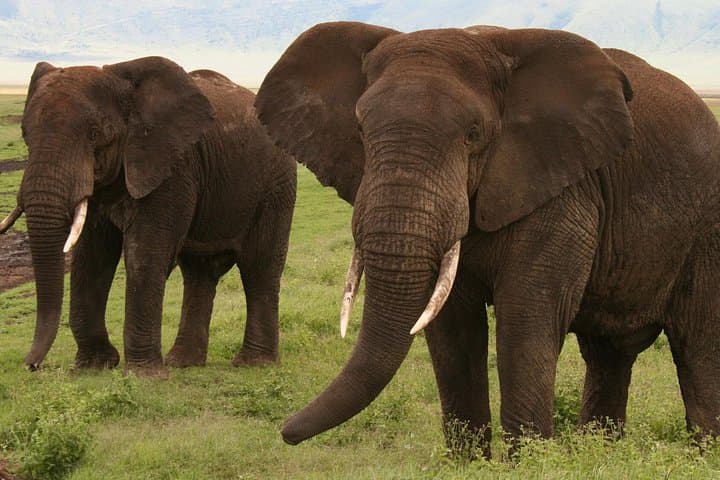
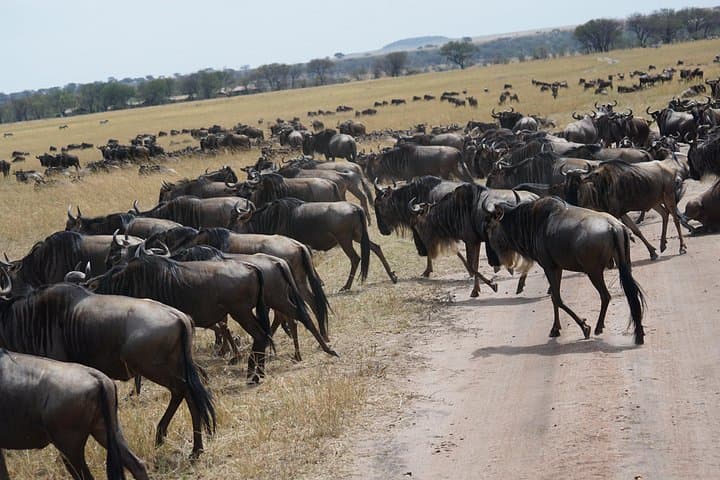
Dawn arrives over the Ndutu plains with a hush that lasts only a heartbeat—then the air fills with the tremor of hooves. Grasslands roll away under a pale sky while clumps of wildebeest and zebra mill, mothers lowing and calves wobbling to their feet. Vehicles with pop-up roofs cut clean lines across the horizon; guides scan for the next cluster of life and the predators that watch them.
Verified experiences and guided adventures in the surrounding area.
Operated by Long Way Expeditions Ltd · Ndutu (Southern Serengeti), Arusha Region
Dawn arrives over the Ndutu plains with a hush that lasts only a heartbeat—then the air fills with the tremor of hooves. Grasslands roll away under a pale sky while clumps of wildebeest and zebra mill, mothers lowing and calves wobbling to their feet. Vehicles with pop-up roofs cut clean lines across the horizon; guides scan for the next cluster of life and the predators that watch them.
Geology here is blunt and honest: shallow volcanic soils and seasonal lakes carve the southern Serengeti’s open plains. The Ndutu area sits within the Ngorongoro Conservation Area, a landscape shaped by volcanic collapse and long-term African weather cycles. Maasai culture remains visible on the edges—livestock tracks and guarded homesteads—that remind visitors this is lived-in wilderness.
The highlight is calving season, typically during the November–December short rains, when thousands of calves draw lions, hyenas and opportunistic predators into concentrated action. The allowance for controlled off-road driving in Ndutu means closer viewing than in much of the northern circuit, but etiquette and safety rules are strict.
Practically: expect early starts, full-day drives with picnic lunches, and nights in mid-range tented camps. Roads can turn to mud in the rains—4x4s and patient guides are essential. Pack layered clothing for cool mornings, sun protection for midday, binoculars and a camera with a telephoto lens. Bring malaria precautions, travel insurance, and copies of passport details for permits. This is a safari built for watching wildlife behavior up close—arrive with patience, preparedness, and respect for the animals that make Ndutu one of Africa’s most intense wildlife stages.
Calving typically peaks during the short rains around November–December; exact timing varies with seasonal rains, so mid-November to December offers the highest probability.
Guides here are allowed controlled off-road driving to improve viewing; safety depends on following guide instructions and staying inside the vehicle unless directed otherwise.
Routine vaccinations are advised; malaria prophylaxis is recommended for this region and you should have travel insurance covering medical evacuation.
Yes—many itineraries end at Kilimanjaro International Airport with options to extend to Ngorongoro, northern Serengeti zones, or beach extensions to Zanzibar.
Long Way Expeditions Ltd operates guided outdoor trips and adventures with an emphasis on safety, stewardship, and memorable experiences.


Dawn arrives over the Ndutu plains with a hush that lasts only a heartbeat—then the air fills with the tremor of hooves. Grasslands roll away under a pale sky while clumps of wildebeest and zebra mill, mothers lowing and calves wobbling to their feet. Vehicles with pop-up roofs cut clean lines across the horizon; guides scan for the next cluster of life and the predators that watch them.
Dawn arrives over the Ndutu plains with a hush that lasts only a heartbeat—then the air fills with the tremor of hooves. Grasslands roll away under a pale sky while clumps of wildebeest and zebra mill, mothers lowing and calves wobbling to their feet. Vehicles with pop-up roofs cut clean lines across the horizon; guides scan for the next cluster of life and the predators that watch them.
Geology here is blunt and honest: shallow volcanic soils and seasonal lakes carve the southern Serengeti’s open plains. The Ndutu area sits within the Ngorongoro Conservation Area, a landscape shaped by volcanic collapse and long-term African weather cycles. Maasai culture remains visible on the edges—livestock tracks and guarded homesteads—that remind visitors this is lived-in wilderness.
The highlight is calving season, typically during the November–December short rains, when thousands of calves draw lions, hyenas and opportunistic predators into concentrated action. The allowance for controlled off-road driving in Ndutu means closer viewing than in much of the northern circuit, but etiquette and safety rules are strict.
Practically: expect early starts, full-day drives with picnic lunches, and nights in mid-range tented camps. Roads can turn to mud in the rains—4x4s and patient guides are essential. Pack layered clothing for cool mornings, sun protection for midday, binoculars and a camera with a telephoto lens. Bring malaria precautions, travel insurance, and copies of passport details for permits. This is a safari built for watching wildlife behavior up close—arrive with patience, preparedness, and respect for the animals that make Ndutu one of Africa’s most intense wildlife stages.