THE ADVENTURE COLLECTIVE® · Independent discovery and booking for outdoor travel

A seven-day circuit through Ruaha, Mikumi and Selous combines full-day drives, evening boat safaris and lodge stays. Expect long transfers, early starts and high wildlife density in the southern parks.
A seven-day circuit through Ruaha, Mikumi and Selous combines full-day drives, evening boat safaris and lodge stays. Expect long transfers, early starts and high wildlife density in the southern parks.
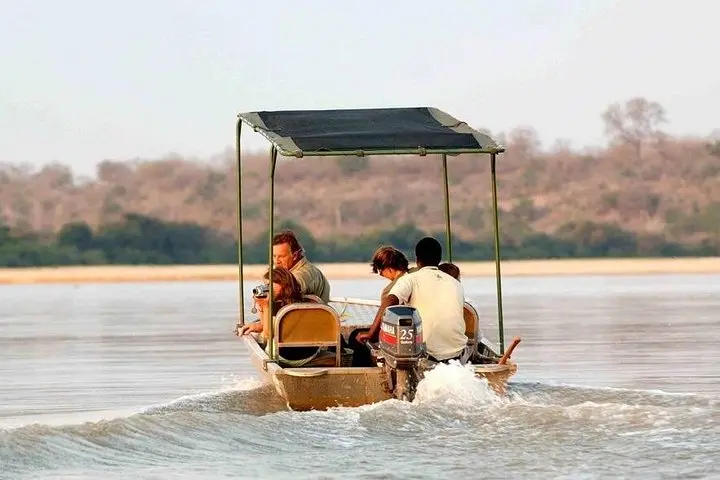
Dawn breaks over red-earth roads as the convoy leaves Iringa and the landscape opens into baobab-dotted woodlands. You feel the vehicle’s rhythm match the rhythm of the parks: Ruaha’s rolling miombo hills, Mikumi’s open savanna, then the slow, reed-lined channels of the Selous (Nyerere) where boats cut glassy water at sunset.
Verified experiences and guided adventures in the surrounding area.
Operated by Masoko Tours and Travel Agency · Iringa, Iringa Region
Dawn breaks over red-earth roads as the convoy leaves Iringa and the landscape opens into baobab-dotted woodlands. You feel the vehicle’s rhythm match the rhythm of the parks: Ruaha’s rolling miombo hills, Mikumi’s open savanna, then the slow, reed-lined channels of the Selous (Nyerere) where boats cut glassy water at sunset.
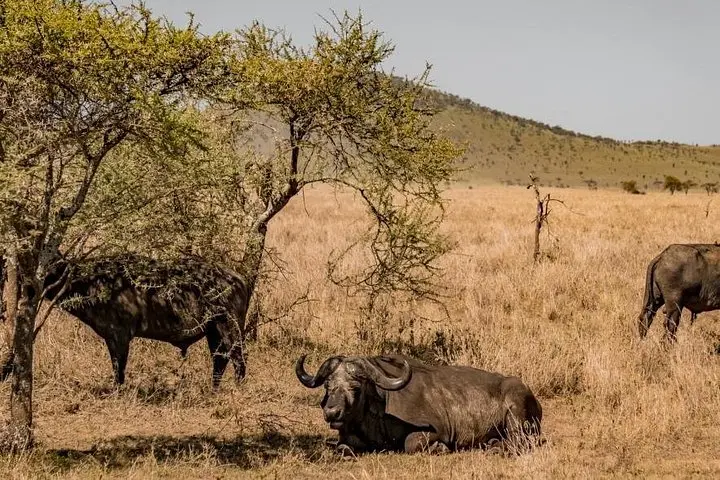
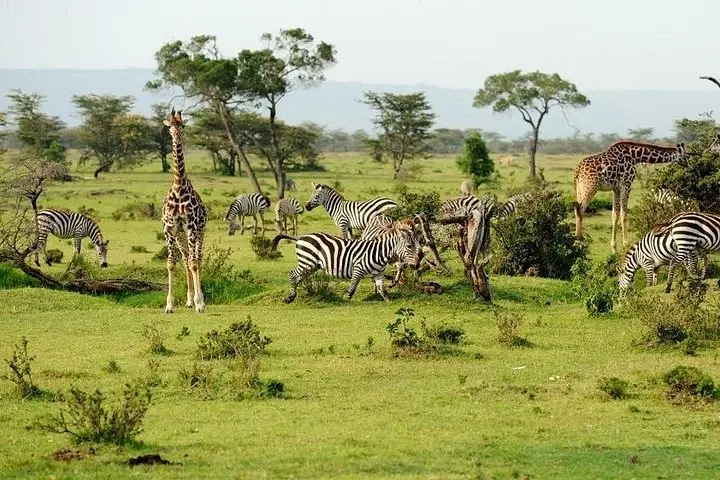
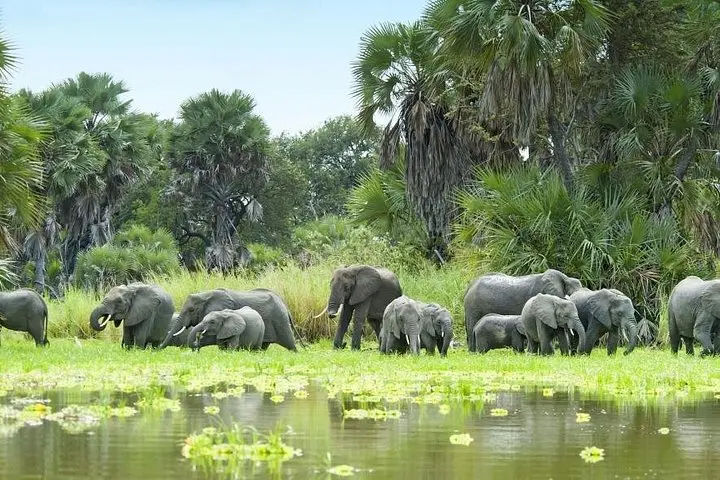
Ruaha, the largest park in southern Tanzania, is known for dense elephant herds, baobabs and a high concentration of predators. Mikumi sits on the southern edge of the East African savanna system—short grass plains and kopjes that make game easy to spot. Selous, carved by the Rufiji River, combines dry-season game drives with boat safaris and a long history as one of Africa’s great game reserves.
Culturally, the route passes small farming towns and Iringa’s colonial-era mission architecture; drivers and guides are often from local communities and share practical knowledge of seasons and animal behavior. Geologically, the region transitions from ancient gneiss and granite highlands into sedimentary floodplains that shape where wildlife congregates.
Practical guidance: expect long drives between parks (the itinerary lists roughly 2–3 hour and longer transfers), early starts for game drives, picnic lunches inside parks, and a mix of lodge accommodation and boat-based excursions. Bring layered sun protection, malaria precautions, and binoculars for wildlife viewing. Balance patience with readiness—the best sightings often arrive at the edge of evening light, when rivers seem to dare you to look closer.
The dry season (roughly June–October) concentrates wildlife around water sources, improving visibility for game drives and boat safaris.
Confirm at booking—this itinerary includes many park activities but verify whether government park entry fees are covered in the total price.
Itineraries involve long vehicle transfers and early starts; a moderate fitness level is recommended but no technical skills are required.
The operator notes the trip is not recommended for pregnant travelers; children should meet any age policies and be prepped for long drives and heat.
Masoko Tours and Travel Agency operates guided outdoor trips and adventures with an emphasis on safety, stewardship, and memorable experiences.
Dawn breaks over red-earth roads as the convoy leaves Iringa and the landscape opens into baobab-dotted woodlands. You feel the vehicle’s rhythm match the rhythm of the parks: Ruaha’s rolling miombo hills, Mikumi’s open savanna, then the slow, reed-lined channels of the Selous (Nyerere) where boats cut glassy water at sunset.
Dawn breaks over red-earth roads as the convoy leaves Iringa and the landscape opens into baobab-dotted woodlands. You feel the vehicle’s rhythm match the rhythm of the parks: Ruaha’s rolling miombo hills, Mikumi’s open savanna, then the slow, reed-lined channels of the Selous (Nyerere) where boats cut glassy water at sunset.
Ruaha, the largest park in southern Tanzania, is known for dense elephant herds, baobabs and a high concentration of predators. Mikumi sits on the southern edge of the East African savanna system—short grass plains and kopjes that make game easy to spot. Selous, carved by the Rufiji River, combines dry-season game drives with boat safaris and a long history as one of Africa’s great game reserves.
Culturally, the route passes small farming towns and Iringa’s colonial-era mission architecture; drivers and guides are often from local communities and share practical knowledge of seasons and animal behavior. Geologically, the region transitions from ancient gneiss and granite highlands into sedimentary floodplains that shape where wildlife congregates.
Practical guidance: expect long drives between parks (the itinerary lists roughly 2–3 hour and longer transfers), early starts for game drives, picnic lunches inside parks, and a mix of lodge accommodation and boat-based excursions. Bring layered sun protection, malaria precautions, and binoculars for wildlife viewing. Balance patience with readiness—the best sightings often arrive at the edge of evening light, when rivers seem to dare you to look closer.