THE ADVENTURE COLLECTIVE® · Independent discovery and booking for outdoor travel
A two-day overland journey from Tozeur into southern Tunisia’s desert and mountain villages. Explore troglodyte homes in Matmata, ksour near Tataouine, and panoramic Toujane while learning local Berber history.
A two-day overland journey from Tozeur into southern Tunisia’s desert and mountain villages. Explore troglodyte homes in Matmata, ksour near Tataouine, and panoramic Toujane while learning local Berber history.
You step out of the van into a landscape that seems to test the horizon—flat salt pans, wind-sculpted rock, and a sky that feels close enough to touch. The route threads through the Dhahar mountains, pauses at Toujane’s cliff-side hamlet with a panoramic break, then moves on to Chenini’s crumbling ksar and the cave-house settlements of Matmata where light falls differently into the earth.
Verified experiences and guided adventures in the surrounding area.
Operated by Tunisie Rêves Day Tours · Tozeur, Tozeur Governorate
You step out of the van into a landscape that seems to test the horizon—flat salt pans, wind-sculpted rock, and a sky that feels close enough to touch. The route threads through the Dhahar mountains, pauses at Toujane’s cliff-side hamlet with a panoramic break, then moves on to Chenini’s crumbling ksar and the cave-house settlements of Matmata where light falls differently into the earth.
This region carries deep history: Berber troglodyte dwellings carved into soft limestone, ksour (plural of ksar) that once stored grain and guarded oases, and vernacular architecture adapted to extreme heat. Geologically, the area alternates between Meso-Cenozoic sedimentary plateaus and wind-polished sandstone—features that create the “lunar” look visitors remember. Film crews noticed the same raw textures; Ksar Hadada served as a backdrop in a well-known sci-fi production.
Culturally, you move through living villages where oral traditions and hospitality persist—tea shared, stories told in courtyards, and simple markets. Local guides translate layers of history: Berber clan settlements, caravan routes, and the practical engineering of underground houses.
Practical guidance: plan for strong sun and large daily temperature swings; most walking is short but on uneven tracks and steps. Bring sun protection, at least 2 liters of water per day, and a small daypack for camera gear and layers. Expect roadside photo stops, a night in local accommodation, and a mix of driving and short hikes—ideal for travelers who want cultural context with scenic desert driving.
The standard itinerary runs about 48 hours over two days with a mix of driving, short guided visits, and one overnight in local accommodation.
Yes—tour operators list it as suitable for all fitness levels, but mobility limitations may make cave-house steps and uneven paths challenging.
Yes—breakfast, lunch and dinner are listed as included for the multi-day tour; bottled water and driver/guide are also provided.
Most visitors can enter Tunisia with a standard tourist visa or visa-free access depending on nationality—check your country’s entry rules before travel.
Tunisie Rêves Day Tours operates guided outdoor trips and adventures with an emphasis on safety, stewardship, and memorable experiences.
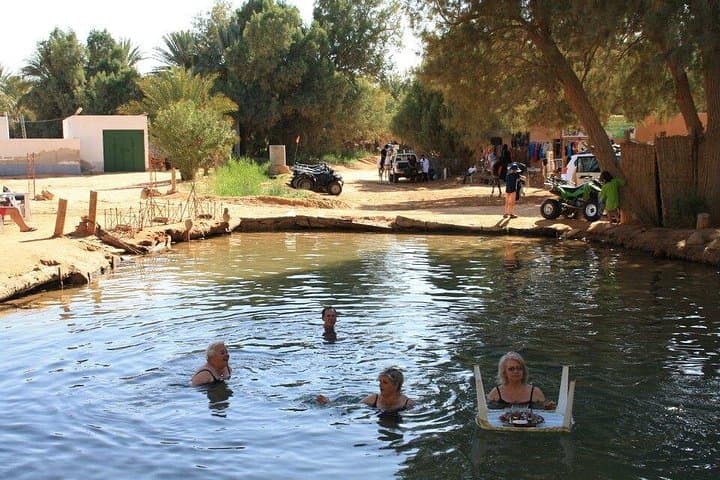
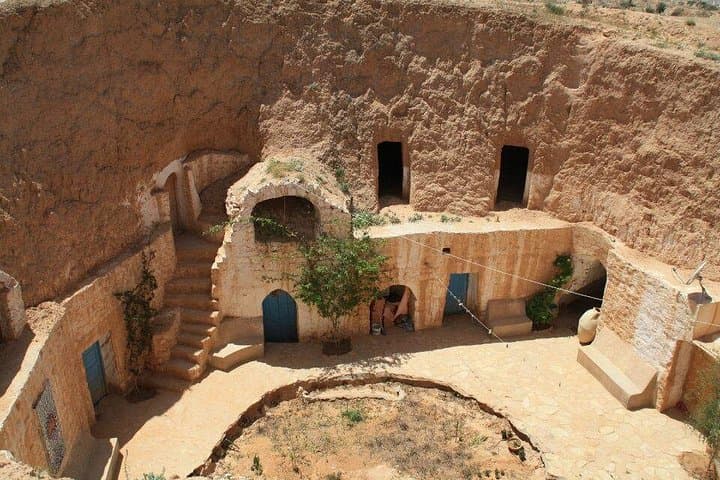
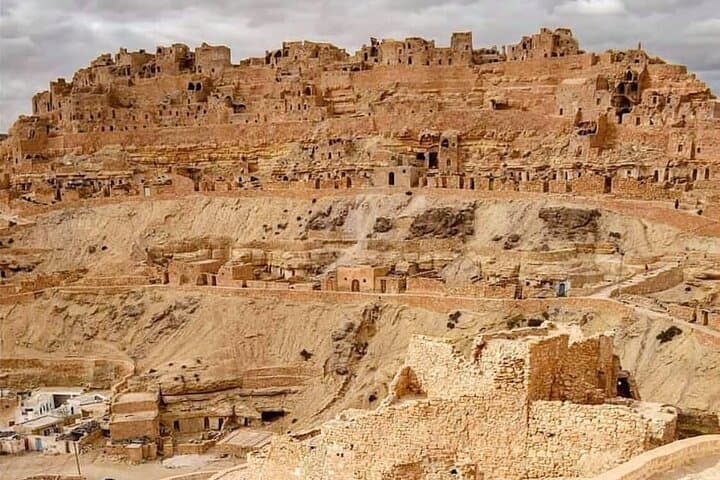
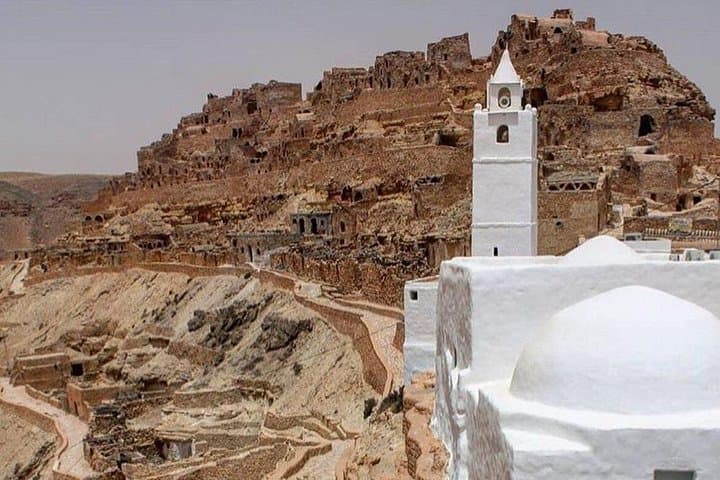
You step out of the van into a landscape that seems to test the horizon—flat salt pans, wind-sculpted rock, and a sky that feels close enough to touch. The route threads through the Dhahar mountains, pauses at Toujane’s cliff-side hamlet with a panoramic break, then moves on to Chenini’s crumbling ksar and the cave-house settlements of Matmata where light falls differently into the earth.
You step out of the van into a landscape that seems to test the horizon—flat salt pans, wind-sculpted rock, and a sky that feels close enough to touch. The route threads through the Dhahar mountains, pauses at Toujane’s cliff-side hamlet with a panoramic break, then moves on to Chenini’s crumbling ksar and the cave-house settlements of Matmata where light falls differently into the earth.
This region carries deep history: Berber troglodyte dwellings carved into soft limestone, ksour (plural of ksar) that once stored grain and guarded oases, and vernacular architecture adapted to extreme heat. Geologically, the area alternates between Meso-Cenozoic sedimentary plateaus and wind-polished sandstone—features that create the “lunar” look visitors remember. Film crews noticed the same raw textures; Ksar Hadada served as a backdrop in a well-known sci-fi production.
Culturally, you move through living villages where oral traditions and hospitality persist—tea shared, stories told in courtyards, and simple markets. Local guides translate layers of history: Berber clan settlements, caravan routes, and the practical engineering of underground houses.
Practical guidance: plan for strong sun and large daily temperature swings; most walking is short but on uneven tracks and steps. Bring sun protection, at least 2 liters of water per day, and a small daypack for camera gear and layers. Expect roadside photo stops, a night in local accommodation, and a mix of driving and short hikes—ideal for travelers who want cultural context with scenic desert driving.
