THE ADVENTURE COLLECTIVE® · Independent discovery and booking for outdoor travel

Travel across dunes, salt flats and mountain oases on a four-day circuit through southern Tunisia. Visit El Jem’s Roman colosseum, soak in Ksar Ghilane’s thermal pool, explore Berber villages and cross the surreal Chott El Djerid.
Travel across dunes, salt flats and mountain oases on a four-day circuit through southern Tunisia. Visit El Jem’s Roman colosseum, soak in Ksar Ghilane’s thermal pool, explore Berber villages and cross the surreal Chott El Djerid.
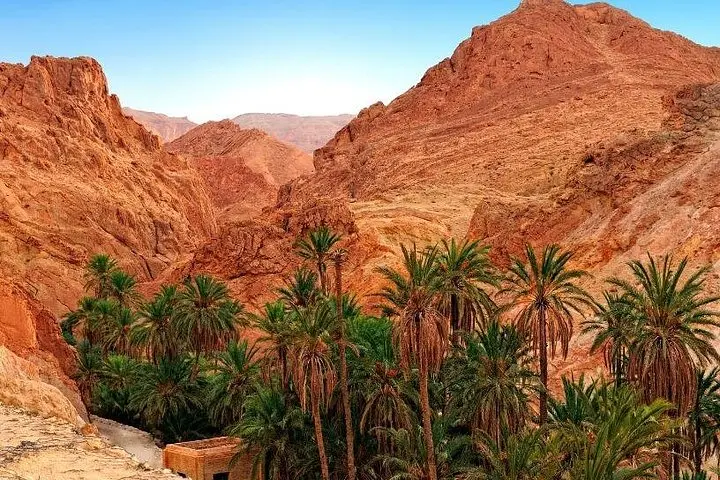
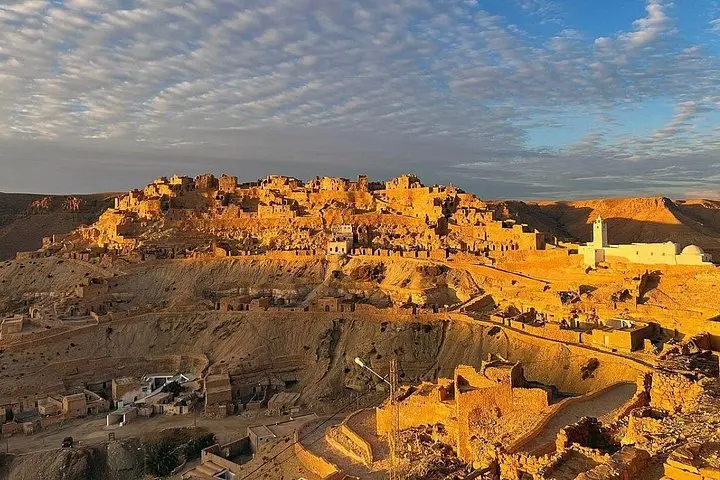
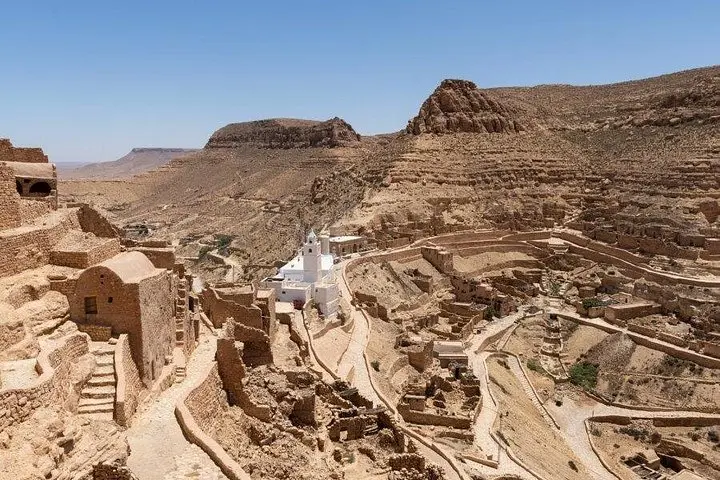
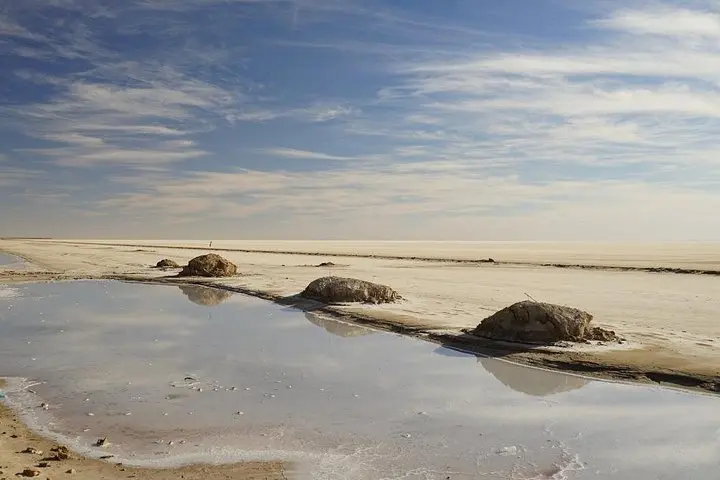
The first light paints the dunes a tight copper as a convoy rolls out from Douz toward the horizon; wind-shaped ridges lean and shift, daring you to follow. Over four days the route moves from the organized stones of El Jem’s Roman amphitheater to the slow thermal breaths of Ksar Ghilane’s oasis, across the white mirror of Chott El Djerid and into the cliff-built Berber villages of Chenini and Douiret.
Verified experiences and guided adventures in the surrounding area.
Operated by TUNISIVISION · Douz, Kebili Governorate
The first light paints the dunes a tight copper as a convoy rolls out from Douz toward the horizon; wind-shaped ridges lean and shift, daring you to follow. Over four days the route moves from the organized stones of El Jem’s Roman amphitheater to the slow thermal breaths of Ksar Ghilane’s oasis, across the white mirror of Chott El Djerid and into the cliff-built Berber villages of Chenini and Douiret.
This itinerary stitches together layers of history and geology: Roman engineering at El Jem, millennia of salt deposition in the chott, and hill-top ksour that trace Berber settlement patterns. Local culture centers on hospitality—shared lunches, mint tea and stories in tents—and on a landscape adapted to scarce water and fierce sun.
Expect a mix of short walks, vehicle transfers on paved roads and desert tracks, camel rides and optional quad excursions on soft sand. Nights alternate between camp tents under wide skies and a modest hotel in Tozeur; guides arrange meals and site admissions.
Practical notes: bring sun protection and a reliable hydration system, allow time for dust and bumpy drives, and be prepared for temperature swings—hot days and cool nights. Fitness needs are moderate: you’ll walk uneven surfaces and climb village steps, but the tour does not require technical mountaineering skills. Respect fragile oasis ecosystems by avoiding sunscreen pollution in thermal pools and carrying out waste. With basic preparation this circuit delivers a compact, varied look at southern Tunisia’s desert, culture and landscapes.
Children from age 2 are allowed, but parents should consider long drives, dusty conditions and limited medical facilities in remote areas.
Camel rides and 4x4 dune excursions are offered as part of the desert experience—confirm availability and any extra-cost options with the operator.
No special vaccinations are universally required beyond routine immunizations; bring sunscreen, a basic first-aid kit and any personal medications, and consult a travel clinic if unsure.
Walking is mainly short to moderate distances: exploring sites, oasis perimeters and village steps—nothing technical, but expect uneven terrain and sand.
TUNISIVISION operates guided outdoor trips and adventures with an emphasis on safety, stewardship, and memorable experiences.
The first light paints the dunes a tight copper as a convoy rolls out from Douz toward the horizon; wind-shaped ridges lean and shift, daring you to follow. Over four days the route moves from the organized stones of El Jem’s Roman amphitheater to the slow thermal breaths of Ksar Ghilane’s oasis, across the white mirror of Chott El Djerid and into the cliff-built Berber villages of Chenini and Douiret.
The first light paints the dunes a tight copper as a convoy rolls out from Douz toward the horizon; wind-shaped ridges lean and shift, daring you to follow. Over four days the route moves from the organized stones of El Jem’s Roman amphitheater to the slow thermal breaths of Ksar Ghilane’s oasis, across the white mirror of Chott El Djerid and into the cliff-built Berber villages of Chenini and Douiret.
This itinerary stitches together layers of history and geology: Roman engineering at El Jem, millennia of salt deposition in the chott, and hill-top ksour that trace Berber settlement patterns. Local culture centers on hospitality—shared lunches, mint tea and stories in tents—and on a landscape adapted to scarce water and fierce sun.
Expect a mix of short walks, vehicle transfers on paved roads and desert tracks, camel rides and optional quad excursions on soft sand. Nights alternate between camp tents under wide skies and a modest hotel in Tozeur; guides arrange meals and site admissions.
Practical notes: bring sun protection and a reliable hydration system, allow time for dust and bumpy drives, and be prepared for temperature swings—hot days and cool nights. Fitness needs are moderate: you’ll walk uneven surfaces and climb village steps, but the tour does not require technical mountaineering skills. Respect fragile oasis ecosystems by avoiding sunscreen pollution in thermal pools and carrying out waste. With basic preparation this circuit delivers a compact, varied look at southern Tunisia’s desert, culture and landscapes.