THE ADVENTURE COLLECTIVE® · Independent discovery and booking for outdoor travel

Trace Georgian layers of history on an eight- to ten-hour private day trip from Tbilisi: Stalin’s museum in Gori, the industrial cable cars of Chiatura and the solitary Katskhi pillar. Expect museum context, gritty mining vistas and a dramatic geological monolith.
Trace Georgian layers of history on an eight- to ten-hour private day trip from Tbilisi: Stalin’s museum in Gori, the industrial cable cars of Chiatura and the solitary Katskhi pillar. Expect museum context, gritty mining vistas and a dramatic geological monolith.
You arrive on a long ribbon of asphalt as morning light slips down the Shida Kartli valleys — Gori’s modest streets give way to rusting steel and cliffside pillars before the road narrows toward Chiatura.
Verified experiences and guided adventures in the surrounding area.
Operated by Travelist Georgia · Gori, Shida Kartli
You arrive on a long ribbon of asphalt as morning light slips down the Shida Kartli valleys — Gori’s modest streets give way to rusting steel and cliffside pillars before the road narrows toward Chiatura.
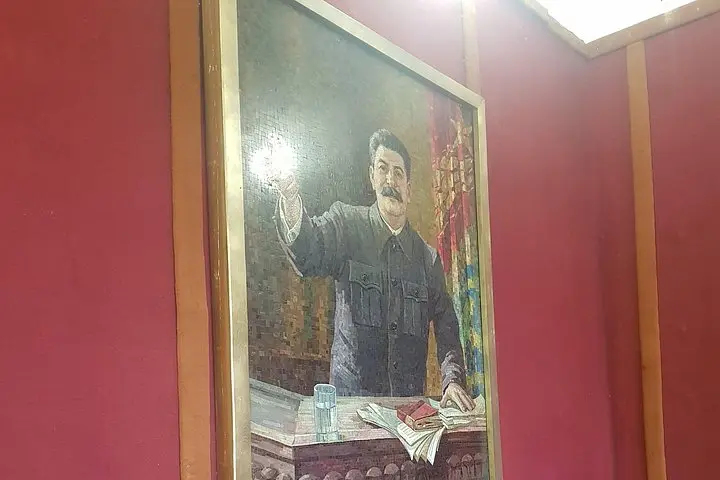
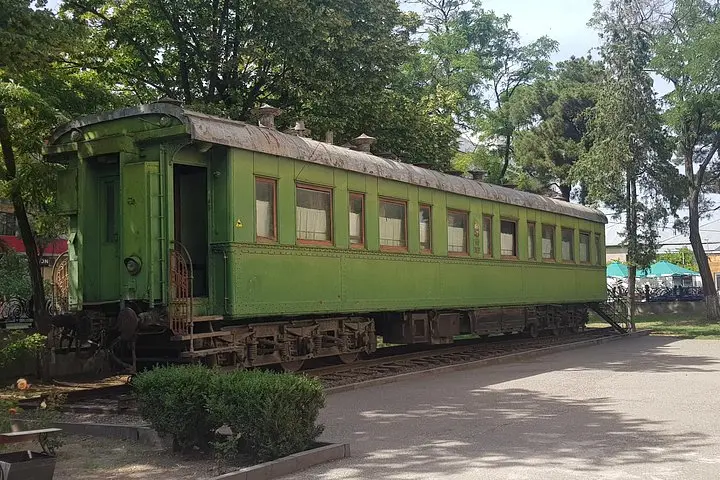
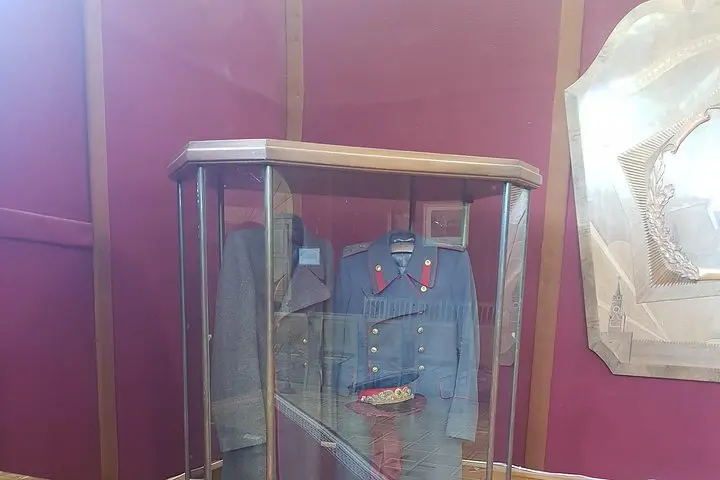
The day stitches together three distinct moods: the curated relics of Stalin’s early life in Gori, the lived-in industrial melancholy of Chiatura and the solitary geometry of the Katskhi pillar. In Gori, a small wooden house and Stalin’s railway carriage anchor a Soviet biography; nearby museums present artifacts and era context without gloss.
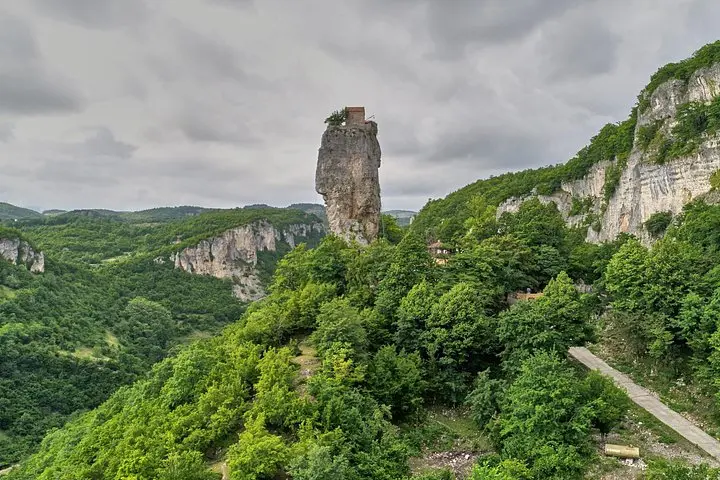
Chiatura’s network of gondolas and cable cars once moved miners between shafts; today their clanking cabins still hum, daring you to ride and see the town as it looked five decades ago. The Katskhi pillar — a roughly 40-meter limestone column topped by a tiny monastic cell — reads like geology that kept faith: wind-carved, vertical, and oddly human in scale.
Culturally, the trip moves from political history to working-class memory to sacred solitude. You’ll eat family-style in Chiatura, walk past abandoned facades, and peer up at the pillar with its centuries of ascetic history.
Practical guidance: this is a long private day (8–10 hours) with several short walks, uneven surfaces and roadside viewpoints. Bring sturdy shoes, weatherproof layers and small cash for local purchases. Respect the monastic site — modest dress and quiet are expected — and allow extra time for narrow mountain roads. The trip rewards curiosity: museums for context, cable cars for atmosphere, and the pillar for a quiet moment of vertigo and perspective.
The tour runs about 8–10 hours depending on traffic and time spent at each stop; expect a full-day return to Tbilisi in the evening.
The Soviet-era cable cars are operational and used by locals; rides can feel rustic — follow your guide’s instructions and avoid rocking the car.
The itinerary notes admission to Stalin’s museum and the Chiatura museum is included; access to the Katskhi pillar viewpoint requires only respectful conduct, not paid entry.
The tour is listed as physically easy overall but includes uneven terrain and stairs; it’s fine for children with supervision but may be challenging for those with serious mobility limits.
Travelist Georgia operates guided outdoor trips and adventures with an emphasis on safety, stewardship, and memorable experiences.
You arrive on a long ribbon of asphalt as morning light slips down the Shida Kartli valleys — Gori’s modest streets give way to rusting steel and cliffside pillars before the road narrows toward Chiatura.
You arrive on a long ribbon of asphalt as morning light slips down the Shida Kartli valleys — Gori’s modest streets give way to rusting steel and cliffside pillars before the road narrows toward Chiatura.
The day stitches together three distinct moods: the curated relics of Stalin’s early life in Gori, the lived-in industrial melancholy of Chiatura and the solitary geometry of the Katskhi pillar. In Gori, a small wooden house and Stalin’s railway carriage anchor a Soviet biography; nearby museums present artifacts and era context without gloss.
Chiatura’s network of gondolas and cable cars once moved miners between shafts; today their clanking cabins still hum, daring you to ride and see the town as it looked five decades ago. The Katskhi pillar — a roughly 40-meter limestone column topped by a tiny monastic cell — reads like geology that kept faith: wind-carved, vertical, and oddly human in scale.
Culturally, the trip moves from political history to working-class memory to sacred solitude. You’ll eat family-style in Chiatura, walk past abandoned facades, and peer up at the pillar with its centuries of ascetic history.
Practical guidance: this is a long private day (8–10 hours) with several short walks, uneven surfaces and roadside viewpoints. Bring sturdy shoes, weatherproof layers and small cash for local purchases. Respect the monastic site — modest dress and quiet are expected — and allow extra time for narrow mountain roads. The trip rewards curiosity: museums for context, cable cars for atmosphere, and the pillar for a quiet moment of vertigo and perspective.