THE ADVENTURE COLLECTIVE® · Independent discovery and booking for outdoor travel

Spend a day moving from Constitutional Hill and the Apartheid Museum to Vilakazi Street in Soweto, visiting Mandela House, Hector Pieterson Memorial and other key sites that trace South Africa’s struggle and resilience.
Spend a day moving from Constitutional Hill and the Apartheid Museum to Vilakazi Street in Soweto, visiting Mandela House, Hector Pieterson Memorial and other key sites that trace South Africa’s struggle and resilience.
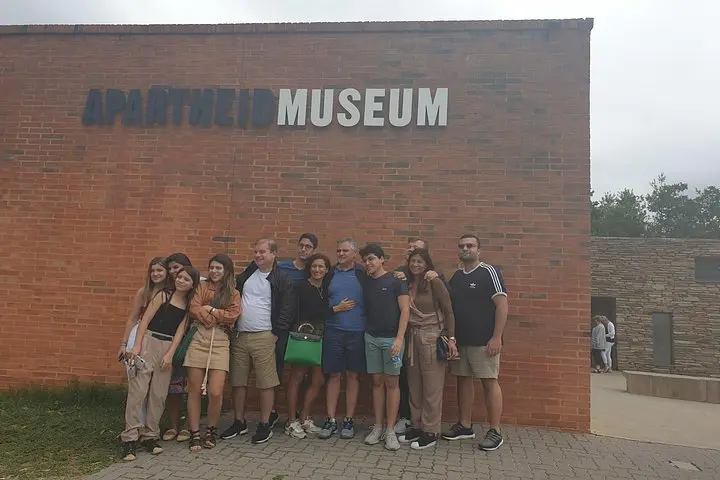
You step into a Johannesburg morning where city heat meets the weight of history: Constitutional Hill’s stone corridors give way to a drive across neighborhoods that still carry the echoes of the past. The road to the Apartheid Museum skirts industrial edges and gold-bearing ridgelines, and when you arrive the exhibits confront you with timelines, testimony and artifacts that make the country’s divisions tangible.
Verified experiences and guided adventures in the surrounding area.
Operated by Africa Moja Tours & Safaris · Johannesburg, Gauteng
You step into a Johannesburg morning where city heat meets the weight of history: Constitutional Hill’s stone corridors give way to a drive across neighborhoods that still carry the echoes of the past. The road to the Apartheid Museum skirts industrial edges and gold-bearing ridgelines, and when you arrive the exhibits confront you with timelines, testimony and artifacts that make the country’s divisions tangible.
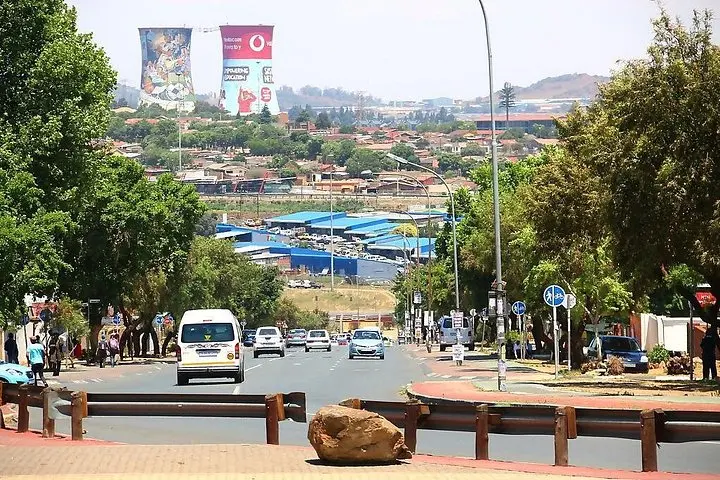
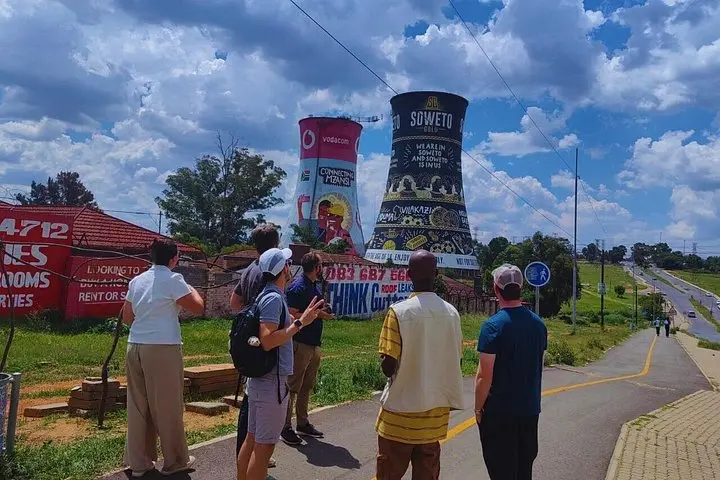
After about two hours inside the museum, the tour moves southwest to Soweto — the township whose streets witnessed pivotal protests and everyday resilience. Vilakazi Street’s modest houses open into intimate museums: Mandela’s former home, Desmond Tutu’s address, and the Hector Pieterson Memorial, each offering different perspectives on resistance, community and change.
Geology and urban growth: this region sits on the Witwatersrand, whose gold rush shaped Johannesburg’s expansion and the social geography that underpinned apartheid. Culturally, the tour traces political movements from township organizing to constitutional reform, guided by local narrators who connect sites to families and events.
Practical guidance: the full excursion runs about six hours with hotel pickup and drop-off included; traffic can extend transit time, so morning departures are advisable. The pace is mostly walking on paved streets and museum floors—comfortable shoes are enough. Lunch and bottled water are provided, but carry small change for market stalls and be mindful of photography rules inside memorials. The experience is best approached with openness, patience for city traffic, and respect for sites that remain emotionally charged.
Yes — the tour includes hotel pickup and drop-off within Johannesburg; exact pickup time depends on your location and traffic.
The itinerary allocates about two hours at the Apartheid Museum, which is usually enough to see the main exhibits at a steady pace.
Entrance fees are included for the Apartheid Museum, Mandela House, and Hector Pieterson Museum as stated in the tour inclusions.
The tour is rated physically easy and suitable for most ages, but it is not recommended for travelers with serious spinal, heart, or pregnancy-related concerns; infant seating is available.
Africa Moja Tours & Safaris operates guided outdoor trips and adventures with an emphasis on safety, stewardship, and memorable experiences.
You step into a Johannesburg morning where city heat meets the weight of history: Constitutional Hill’s stone corridors give way to a drive across neighborhoods that still carry the echoes of the past. The road to the Apartheid Museum skirts industrial edges and gold-bearing ridgelines, and when you arrive the exhibits confront you with timelines, testimony and artifacts that make the country’s divisions tangible.
You step into a Johannesburg morning where city heat meets the weight of history: Constitutional Hill’s stone corridors give way to a drive across neighborhoods that still carry the echoes of the past. The road to the Apartheid Museum skirts industrial edges and gold-bearing ridgelines, and when you arrive the exhibits confront you with timelines, testimony and artifacts that make the country’s divisions tangible.
After about two hours inside the museum, the tour moves southwest to Soweto — the township whose streets witnessed pivotal protests and everyday resilience. Vilakazi Street’s modest houses open into intimate museums: Mandela’s former home, Desmond Tutu’s address, and the Hector Pieterson Memorial, each offering different perspectives on resistance, community and change.
Geology and urban growth: this region sits on the Witwatersrand, whose gold rush shaped Johannesburg’s expansion and the social geography that underpinned apartheid. Culturally, the tour traces political movements from township organizing to constitutional reform, guided by local narrators who connect sites to families and events.
Practical guidance: the full excursion runs about six hours with hotel pickup and drop-off included; traffic can extend transit time, so morning departures are advisable. The pace is mostly walking on paved streets and museum floors—comfortable shoes are enough. Lunch and bottled water are provided, but carry small change for market stalls and be mindful of photography rules inside memorials. The experience is best approached with openness, patience for city traffic, and respect for sites that remain emotionally charged.