THE ADVENTURE COLLECTIVE® · Independent discovery and booking for outdoor travel

Walk Vilakazi Street, visit Mandela House and the Hector Pieterson Memorial, then move to the Apartheid Museum for a curated, five-hour exploration of South Africa’s recent history. This guided tour blends street-level stories with museum context for a grounded, informative visit.
Walk Vilakazi Street, visit Mandela House and the Hector Pieterson Memorial, then move to the Apartheid Museum for a curated, five-hour exploration of South Africa’s recent history. This guided tour blends street-level stories with museum context for a grounded, informative visit.
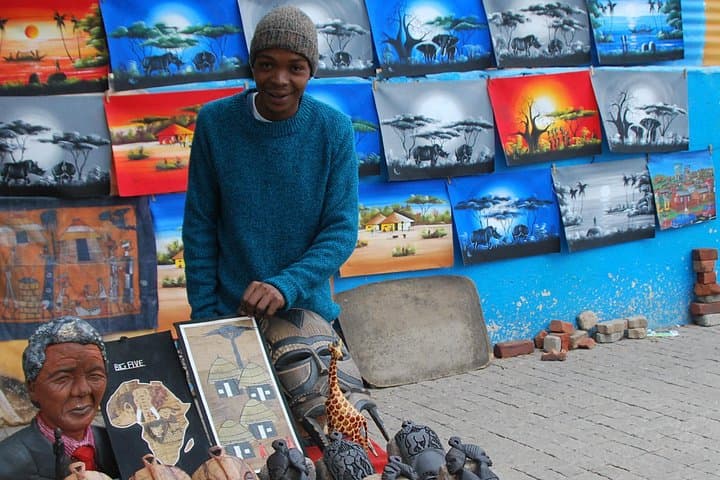
You step off an air-conditioned minivan into the warm morning on Vilakazi Street, where the chatter of vendors and schoolchildren mixes with the low hum of Johannesburg traffic. The street seems to hold memory like a physical weight: Nelson Mandela’s modest home, the painted facades, and the slow, deliberate flow of local life that refuses to be reduced to a single story.
Verified experiences and guided adventures in the surrounding area.
Operated by Spurwing Tourism Services · Soweto, Gauteng
You step off an air-conditioned minivan into the warm morning on Vilakazi Street, where the chatter of vendors and schoolchildren mixes with the low hum of Johannesburg traffic. The street seems to hold memory like a physical weight: Nelson Mandela’s modest home, the painted facades, and the slow, deliberate flow of local life that refuses to be reduced to a single story.
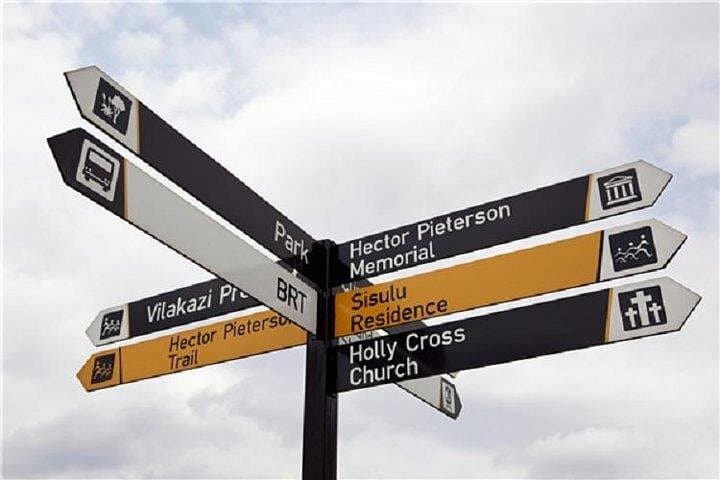
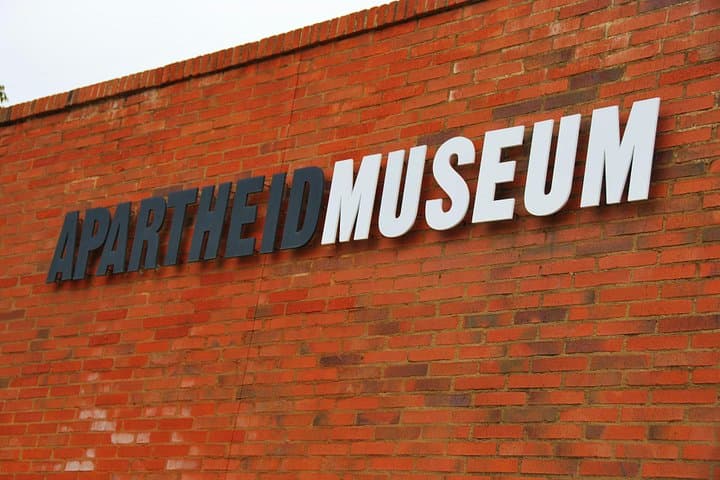
This five-hour route threads together critical sites from the Soweto Uprising to the negotiated end of apartheid. Begin at the Hector Pieterson Memorial, where photographs and a quiet plaza force a confrontation with 1976’s student protests. Walk Vilakazi Street past Mandela House and feel the ordinary scale of extraordinary lives. The Apartheid Museum, set on a purpose-built site near Gold Reef City, uses film, artifacts and text to map decades of legislation, resistance and transition.
Geologically the area sits on ancient Witwatersrand ridges — the gold-bearing formation that shaped Johannesburg’s explosive growth and the spatial segregation that followed. Culturally the tour is grounded in community custodianship: guides are often local and weave personal recollections into the narrative.
Practical guidance: the tour moves at an easy walking pace with short transfers; plan for about five hours. Wear comfortable shoes, carry water, and be respectful in memorial spaces (ask before photographing people indoors). Many stops are wheelchair accessible but check with the operator about specific needs.
The experience balances museum interiors with street-level encounters — it’s civic history you walk through, not just read about.
Yes. Admission to the Apartheid Museum, Mandela House and the Hector Pieterson Memorial are included in the tour price.
Most sites are wheelchair accessible and the vehicle has air conditioning; contact the operator ahead of booking to confirm specific accessibility needs.
Pickup is typically arranged from central Johannesburg hotels or a confirmed pickup point—provide your pickup location during booking.
Photography policies vary—exterior photography is fine, but some indoor exhibits restrict flash or photography; follow onsite signage and staff instructions.
Spurwing Tourism Services operates guided outdoor trips and adventures with an emphasis on safety, stewardship, and memorable experiences.
You step off an air-conditioned minivan into the warm morning on Vilakazi Street, where the chatter of vendors and schoolchildren mixes with the low hum of Johannesburg traffic. The street seems to hold memory like a physical weight: Nelson Mandela’s modest home, the painted facades, and the slow, deliberate flow of local life that refuses to be reduced to a single story.
You step off an air-conditioned minivan into the warm morning on Vilakazi Street, where the chatter of vendors and schoolchildren mixes with the low hum of Johannesburg traffic. The street seems to hold memory like a physical weight: Nelson Mandela’s modest home, the painted facades, and the slow, deliberate flow of local life that refuses to be reduced to a single story.
This five-hour route threads together critical sites from the Soweto Uprising to the negotiated end of apartheid. Begin at the Hector Pieterson Memorial, where photographs and a quiet plaza force a confrontation with 1976’s student protests. Walk Vilakazi Street past Mandela House and feel the ordinary scale of extraordinary lives. The Apartheid Museum, set on a purpose-built site near Gold Reef City, uses film, artifacts and text to map decades of legislation, resistance and transition.
Geologically the area sits on ancient Witwatersrand ridges — the gold-bearing formation that shaped Johannesburg’s explosive growth and the spatial segregation that followed. Culturally the tour is grounded in community custodianship: guides are often local and weave personal recollections into the narrative.
Practical guidance: the tour moves at an easy walking pace with short transfers; plan for about five hours. Wear comfortable shoes, carry water, and be respectful in memorial spaces (ask before photographing people indoors). Many stops are wheelchair accessible but check with the operator about specific needs.
The experience balances museum interiors with street-level encounters — it’s civic history you walk through, not just read about.