THE ADVENTURE COLLECTIVE® · Independent discovery and booking for outdoor travel

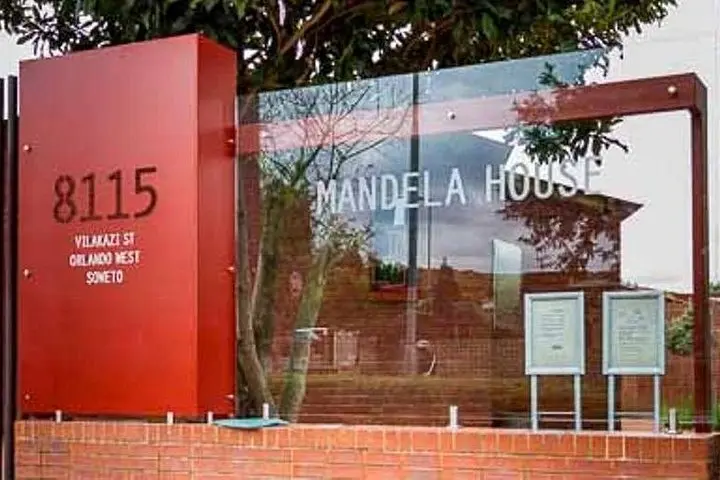
Ride through Soweto’s streets and landmarks on a four-hour guided cycle that connects everyday township life with the history of apartheid. Stops include the Hector Pieterson Museum, Mandela’s house and Regina Mundi Church.
Ride through Soweto’s streets and landmarks on a four-hour guided cycle that connects everyday township life with the history of apartheid. Stops include the Hector Pieterson Museum, Mandela’s house and Regina Mundi Church.
Pedaling out from the Hector Pieterson Museum, the township opens like a city that keeps its past in plain view: corrugated rooftops, painted facades, and the steady rhythm of cyclists and minibus taxis. The air carries dust from the Highveld and the distant hum of Johannesburg; the route threads residential streets where everyday life and history meet.
Verified experiences and guided adventures in the surrounding area.
Operated by Cycle in Soweto · Soweto, Gauteng
Pedaling out from the Hector Pieterson Museum, the township opens like a city that keeps its past in plain view: corrugated rooftops, painted facades, and the steady rhythm of cyclists and minibus taxis. The air carries dust from the Highveld and the distant hum of Johannesburg; the route threads residential streets where everyday life and history meet.
This four-hour guided ride traces Soweto’s 20th-century arc — from early 1900s settlements through the rise of migrant worker hostels, the student-led Soweto Uprising of 1976, and the community landmarks that framed resistance. Riders stop at Nelson Mandela’s house, Regina Mundi Church and Orlando West High, where guides unpack the events that shaped modern South Africa. Geologically, the tour sits on the Highveld plateau, a broad, elevated plain that made Johannesburg a mining heartland and Soweto a labor reservoir.
Culturally, the township is lively and direct: street art, local coffee spots and community projects are part of the narrative as much as the museums. Expect candid stories from local guides, a measured pace with photo stops, and a finish at a neighborhood café where the tour usually disbands.
Practical notes: helmets and bikes are provided; bring sunscreen, a refillable water bottle and comfortable shoes. Roads are urban and uneven in places, so basic bike-handling confidence helps. Morning departures avoid mid-afternoon heat and heavy traffic. This is an educational, grounded ride—equal parts civic history and hands-on urban exploration.
The tour lasts about four hours with regular stops; cycling is urban with short distances between points of interest, suitable for most riders.
Yes — bicycles and helmets are supplied by the operator, though you may prefer to bring your own gloves or pedals if you have specific needs.
Children can participate; a child rate applies only when sharing with two paying adults and infant seats may be available—check operator details when booking.
Yes — the tour typically ends near a local café and you can return to the museum independently to continue exploring.
Cycle in Soweto operates guided outdoor trips and adventures with an emphasis on safety, stewardship, and memorable experiences.
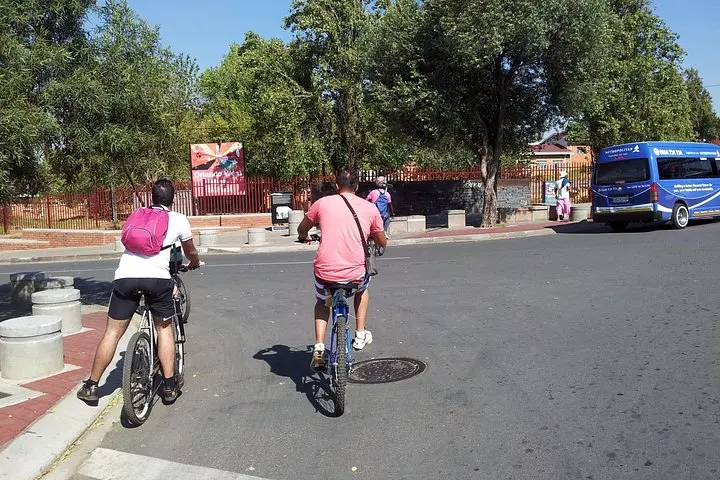
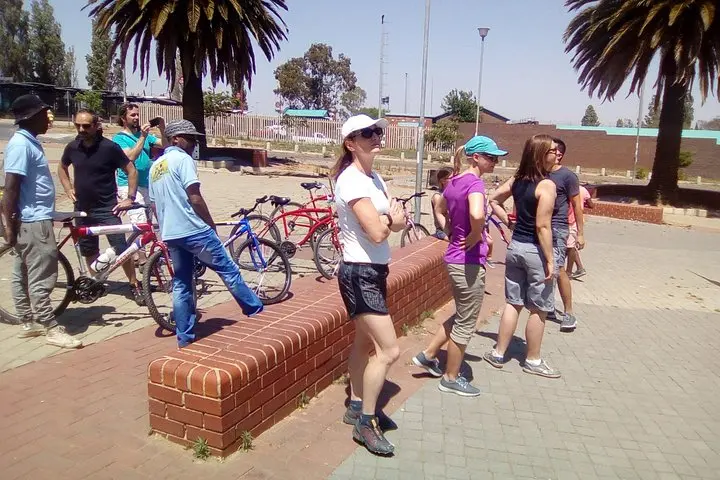
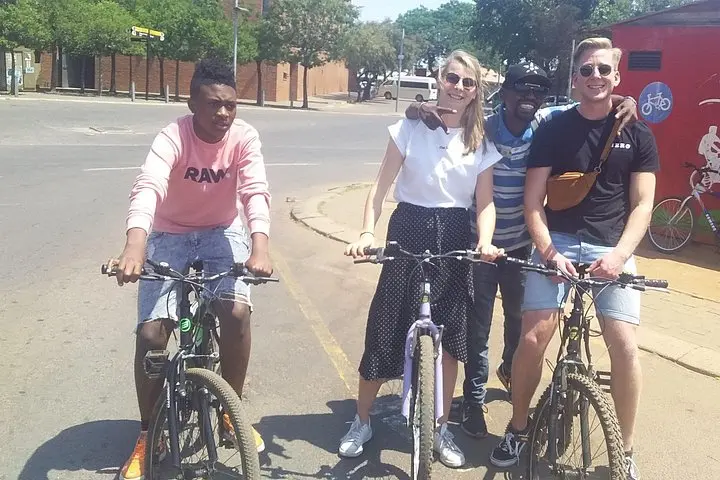
Pedaling out from the Hector Pieterson Museum, the township opens like a city that keeps its past in plain view: corrugated rooftops, painted facades, and the steady rhythm of cyclists and minibus taxis. The air carries dust from the Highveld and the distant hum of Johannesburg; the route threads residential streets where everyday life and history meet.
Pedaling out from the Hector Pieterson Museum, the township opens like a city that keeps its past in plain view: corrugated rooftops, painted facades, and the steady rhythm of cyclists and minibus taxis. The air carries dust from the Highveld and the distant hum of Johannesburg; the route threads residential streets where everyday life and history meet.
This four-hour guided ride traces Soweto’s 20th-century arc — from early 1900s settlements through the rise of migrant worker hostels, the student-led Soweto Uprising of 1976, and the community landmarks that framed resistance. Riders stop at Nelson Mandela’s house, Regina Mundi Church and Orlando West High, where guides unpack the events that shaped modern South Africa. Geologically, the tour sits on the Highveld plateau, a broad, elevated plain that made Johannesburg a mining heartland and Soweto a labor reservoir.
Culturally, the township is lively and direct: street art, local coffee spots and community projects are part of the narrative as much as the museums. Expect candid stories from local guides, a measured pace with photo stops, and a finish at a neighborhood café where the tour usually disbands.
Practical notes: helmets and bikes are provided; bring sunscreen, a refillable water bottle and comfortable shoes. Roads are urban and uneven in places, so basic bike-handling confidence helps. Morning departures avoid mid-afternoon heat and heavy traffic. This is an educational, grounded ride—equal parts civic history and hands-on urban exploration.