THE ADVENTURE COLLECTIVE® · Independent discovery and booking for outdoor travel

A focused half‑day exploration of Soweto that combines the Hector Pieterson Museum and Mandela’s house with street‑level cultural context. Ideal for travelers seeking a compact, meaningful dive into South Africa’s recent history.
A focused half‑day exploration of Soweto that combines the Hector Pieterson Museum and Mandela’s house with street‑level cultural context. Ideal for travelers seeking a compact, meaningful dive into South Africa’s recent history.
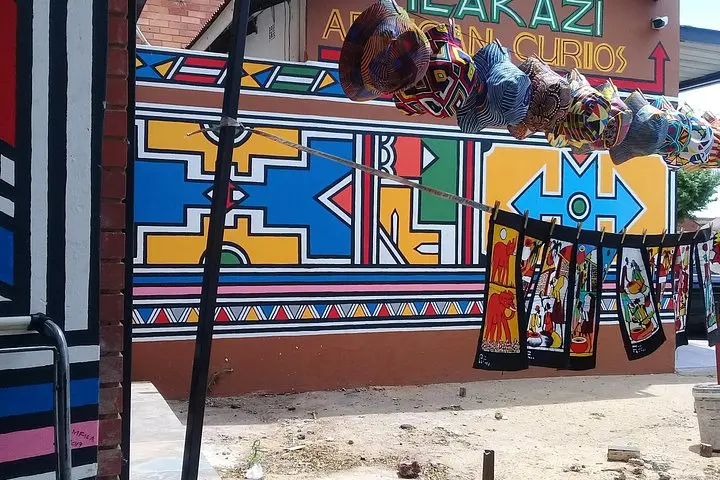
You step off an air‑conditioned minibus into a ribbon of street life—vendors calling, murals catching sunlight, and corrugated roofs stacked like cards along wide avenues. The tour moves with purpose: short walks between signature sites, conversation with a local guide, and the steady rhythm of a community that refuses to be reduced to history alone.
Verified experiences and guided adventures in the surrounding area.
Operated by Vaya Africa Travels. · Johannesburg, Gauteng
You step off an air‑conditioned minibus into a ribbon of street life—vendors calling, murals catching sunlight, and corrugated roofs stacked like cards along wide avenues. The tour moves with purpose: short walks between signature sites, conversation with a local guide, and the steady rhythm of a community that refuses to be reduced to history alone.
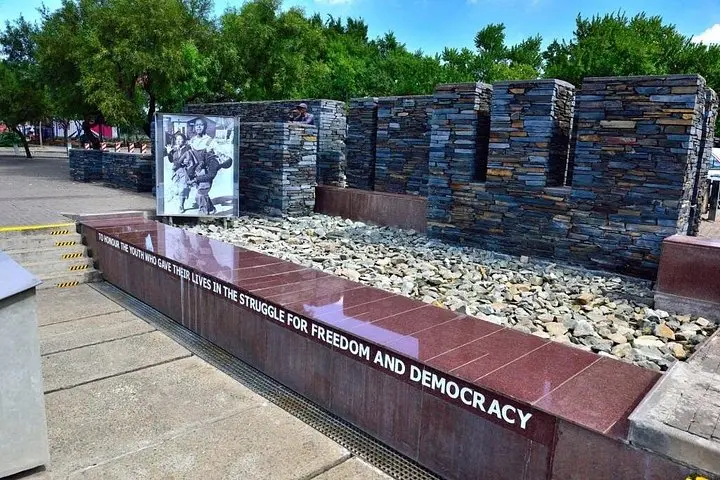
Soweto sits on the Highveld plateau southwest of central Johannesburg. Once the epicenter of forced relocations and political upheaval, the township became ground zero for the 1976 student uprisings and the long campaign against apartheid. The Hector Pieterson Museum documents those June days with photographs and testimony; down the road, the small matchbox house on Vilakazi Street preserves the domestic life of Nelson Mandela during his public years.
Culturally, Soweto is lively—street art, shebeens (local taverns), and Sunday choirs speak to resilience and creativity. Geologically, the flat, grassy Highveld produces broad skies and strong afternoon winds that shape daily life and how tours are scheduled.
Practically: this half‑day experience is vehicle‑led with brief, mostly paved walks between stops. Expect 4 hours total; bring comfortable shoes for cobbled yards and informal streets, carry cash for small purchases, and be mindful when photographing residents—ask first. Morning departures avoid midday heat and allow clearer visits inside small museums.
The tour is suitable for travelers wanting a concise, contextual introduction to Soweto’s recent history and living culture. It pairs well with a longer stay in Johannesburg for deeper exploration of South Africa’s urban and political landscapes.
The tour lasts approximately 4 hours and covers multiple sites with short walks between them.
The tour notes state wheelchair accessibility for transportation and most surfaces, but some historic buildings have limited access—check with the operator in advance.
Yes—the Vilakazi Street house visit is included; museum entry is generally brief due to the small exhibit footprint.
Guides are typically local and provide community context, personal stories, and historical background during the tour.
Vaya Africa Travels. operates guided outdoor trips and adventures with an emphasis on safety, stewardship, and memorable experiences.
You step off an air‑conditioned minibus into a ribbon of street life—vendors calling, murals catching sunlight, and corrugated roofs stacked like cards along wide avenues. The tour moves with purpose: short walks between signature sites, conversation with a local guide, and the steady rhythm of a community that refuses to be reduced to history alone.
You step off an air‑conditioned minibus into a ribbon of street life—vendors calling, murals catching sunlight, and corrugated roofs stacked like cards along wide avenues. The tour moves with purpose: short walks between signature sites, conversation with a local guide, and the steady rhythm of a community that refuses to be reduced to history alone.
Soweto sits on the Highveld plateau southwest of central Johannesburg. Once the epicenter of forced relocations and political upheaval, the township became ground zero for the 1976 student uprisings and the long campaign against apartheid. The Hector Pieterson Museum documents those June days with photographs and testimony; down the road, the small matchbox house on Vilakazi Street preserves the domestic life of Nelson Mandela during his public years.
Culturally, Soweto is lively—street art, shebeens (local taverns), and Sunday choirs speak to resilience and creativity. Geologically, the flat, grassy Highveld produces broad skies and strong afternoon winds that shape daily life and how tours are scheduled.
Practically: this half‑day experience is vehicle‑led with brief, mostly paved walks between stops. Expect 4 hours total; bring comfortable shoes for cobbled yards and informal streets, carry cash for small purchases, and be mindful when photographing residents—ask first. Morning departures avoid midday heat and allow clearer visits inside small museums.
The tour is suitable for travelers wanting a concise, contextual introduction to Soweto’s recent history and living culture. It pairs well with a longer stay in Johannesburg for deeper exploration of South Africa’s urban and political landscapes.