THE ADVENTURE COLLECTIVE® · Independent discovery and booking for outdoor travel

Learn to pipe delicate soy-cream flowers and assemble an anggeum (bean-cream) cake in a three-hour Seoul studio class. This hands-on course blends traditional Korean sweet-bean techniques with vegan-friendly soy cream and includes a photo shoot and a take-home cake.
Learn to pipe delicate soy-cream flowers and assemble an anggeum (bean-cream) cake in a three-hour Seoul studio class. This hands-on course blends traditional Korean sweet-bean techniques with vegan-friendly soy cream and includes a photo shoot and a take-home cake.
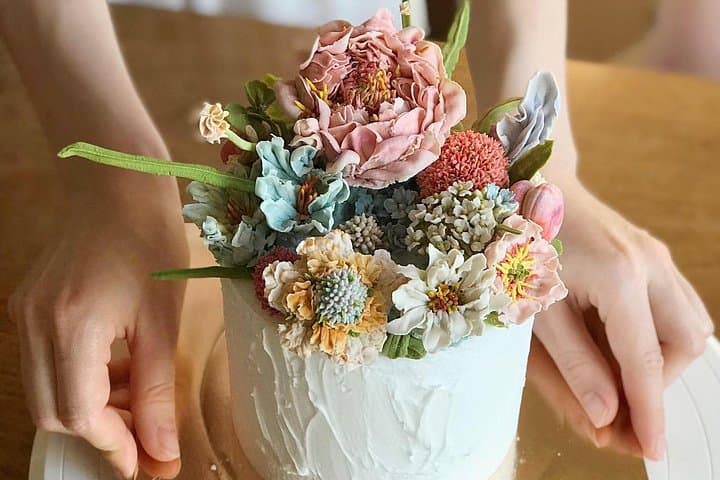
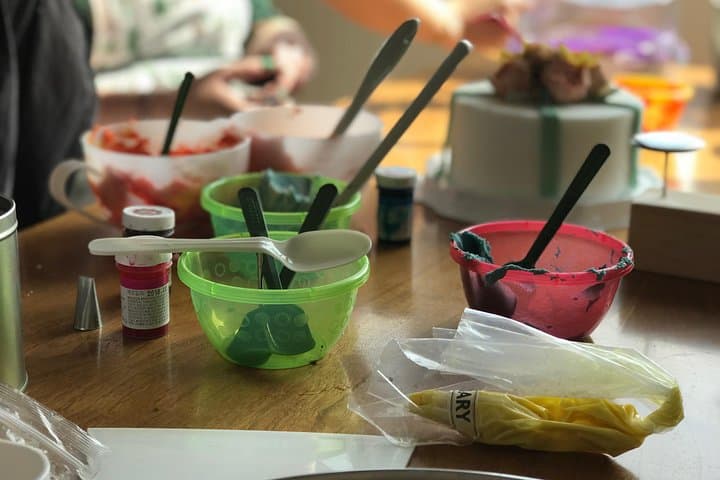
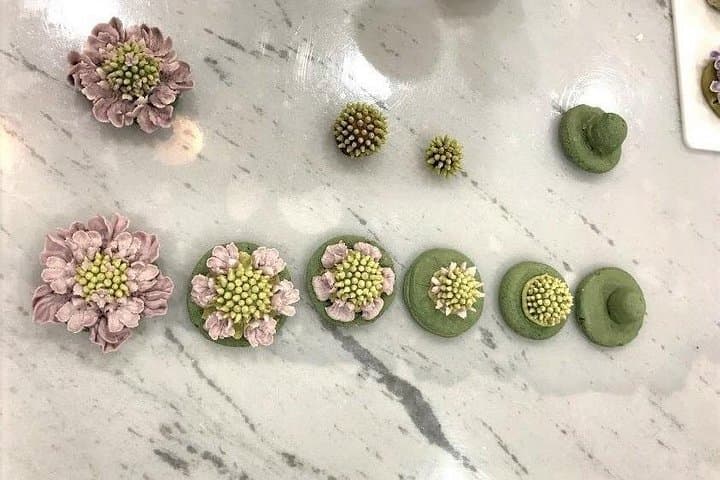
You step into a compact studio in central Seoul and the room hums with conversation, mixers, and the faint, toasted scent of ground soy. A workspace of low tables, piping bags, and small spatulas becomes a miniature garden: petals built stroke by stroke from silky soy cream, colors mixed by hand to match a chosen palette. For three focused hours you learn to coax flowers from a nozzle, shaping roses, peonies, and filler blooms until a sheet cake reads as a landscaped vignette.
Verified experiences and guided adventures in the surrounding area.
Operated by Soy-cream flower cake, authentically Korean! · Seoul, Seoul
You step into a compact studio in central Seoul and the room hums with conversation, mixers, and the faint, toasted scent of ground soy. A workspace of low tables, piping bags, and small spatulas becomes a miniature garden: petals built stroke by stroke from silky soy cream, colors mixed by hand to match a chosen palette. For three focused hours you learn to coax flowers from a nozzle, shaping roses, peonies, and filler blooms until a sheet cake reads as a landscaped vignette.
The class is part craft course, part contemporary culinary trend. 앙금플라워케이크 (anggeum flower cake) borrows from Korea’s long history of sweet bean pastes used in traditional confections, reimagined for modern palettes and social media. Soy-based cream is a recent vegan-friendly variant that mirrors the texture of dairy frostings while referencing local ingredients—soybeans have been central to Korean cooking for centuries.
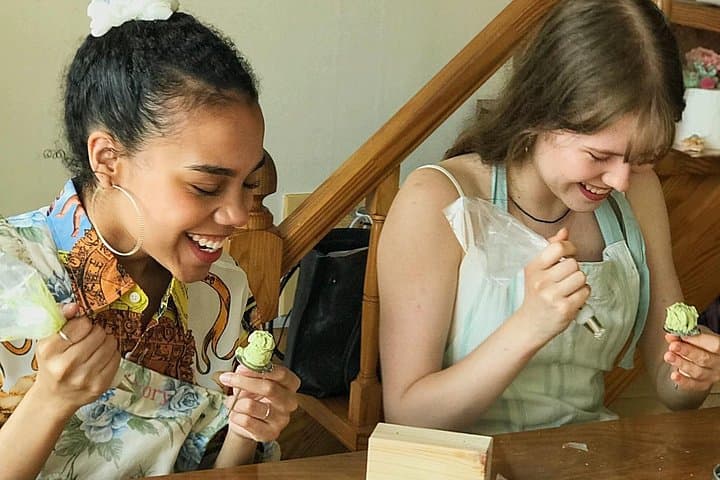
Practicalities are straightforward: sessions run about three hours with small groups (up to three), and aprons plus piping tools are provided. The standard cake base is a conventional sheet cake, but hosts explicitly note you can request or swap for vegan bases if arranged in advance. The class includes time for a photo shoot and guidance on color mixing, flower hierarchy, and assembling a coherent garden layout.
Plan to message the instructor before booking to set colors and confirm dietary needs. Wear clothes you don’t mind staining, charge your camera, and leave extra time for photos and wrapping your cake for the trip home. This hands-on class blends technique, cultural context, and a tangible keepsake: a decorated cake and a new skill you can repeat at home.
The soy cream used for piping is vegan, but the standard cake base is not; instructors ask that you message before booking to request a vegan cake base or to confirm substitutions.
No—this is designed for beginners; the class covers basic piping techniques, color mixing, and flower assembly step by step.
Yes—information provided by the host indicates wheelchair-accessible surfaces and facilities; contact the host if you have specific mobility questions.
You’ll take home the completed cake, photography from your shoot (if allowed), and the skills to recreate basic flowers and arrangements at home.
Soy-cream flower cake, authentically Korean! operates guided outdoor trips and adventures with an emphasis on safety, stewardship, and memorable experiences.
You step into a compact studio in central Seoul and the room hums with conversation, mixers, and the faint, toasted scent of ground soy. A workspace of low tables, piping bags, and small spatulas becomes a miniature garden: petals built stroke by stroke from silky soy cream, colors mixed by hand to match a chosen palette. For three focused hours you learn to coax flowers from a nozzle, shaping roses, peonies, and filler blooms until a sheet cake reads as a landscaped vignette.
You step into a compact studio in central Seoul and the room hums with conversation, mixers, and the faint, toasted scent of ground soy. A workspace of low tables, piping bags, and small spatulas becomes a miniature garden: petals built stroke by stroke from silky soy cream, colors mixed by hand to match a chosen palette. For three focused hours you learn to coax flowers from a nozzle, shaping roses, peonies, and filler blooms until a sheet cake reads as a landscaped vignette.
The class is part craft course, part contemporary culinary trend. 앙금플라워케이크 (anggeum flower cake) borrows from Korea’s long history of sweet bean pastes used in traditional confections, reimagined for modern palettes and social media. Soy-based cream is a recent vegan-friendly variant that mirrors the texture of dairy frostings while referencing local ingredients—soybeans have been central to Korean cooking for centuries.
Practicalities are straightforward: sessions run about three hours with small groups (up to three), and aprons plus piping tools are provided. The standard cake base is a conventional sheet cake, but hosts explicitly note you can request or swap for vegan bases if arranged in advance. The class includes time for a photo shoot and guidance on color mixing, flower hierarchy, and assembling a coherent garden layout.
Plan to message the instructor before booking to set colors and confirm dietary needs. Wear clothes you don’t mind staining, charge your camera, and leave extra time for photos and wrapping your cake for the trip home. This hands-on class blends technique, cultural context, and a tangible keepsake: a decorated cake and a new skill you can repeat at home.