THE ADVENTURE COLLECTIVE® · Independent discovery and booking for outdoor travel

Step into a working re-creation of 18th-century military medicine at the Spanish Military Hospital Museum in St. Augustine. This 40-minute guided experience pairs live surgical demonstrations with apothecary displays and local colonial history.
Step into a working re-creation of 18th-century military medicine at the Spanish Military Hospital Museum in St. Augustine. This 40-minute guided experience pairs live surgical demonstrations with apothecary displays and local colonial history.
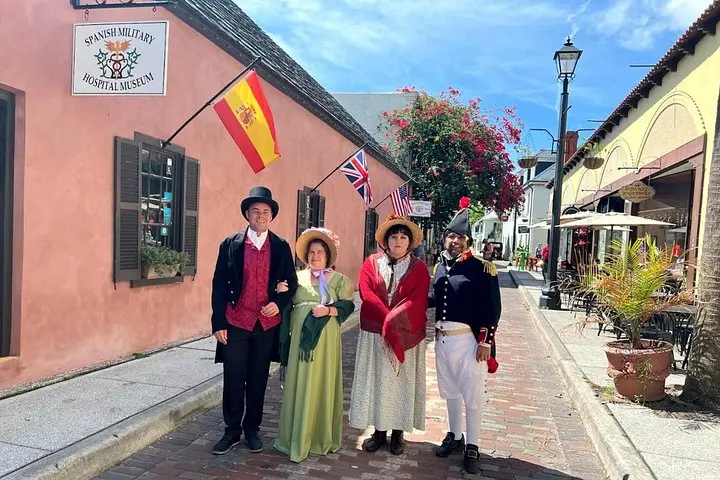
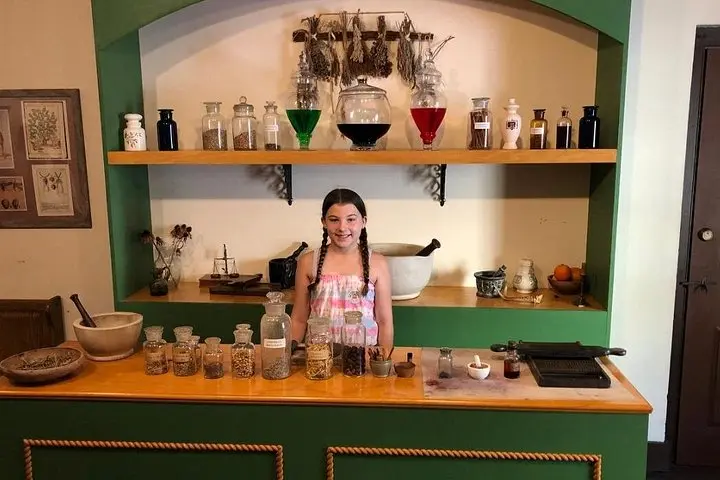
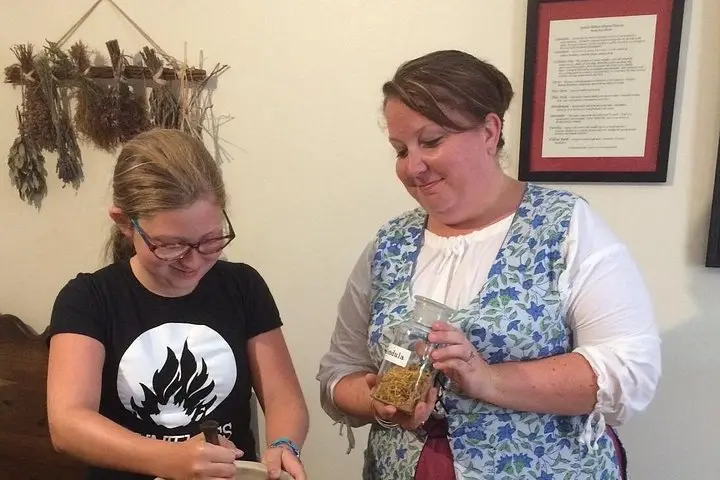
The tour opens with the smell of herbs and the quiet clack of wooden shutters as sunlight finds a cool room of surgical tools. You step into a re-creation of 18th-century military medicine where a surgeon in period dress prepares instruments and an apothecary grinds botanicals; the past feels procedural, hands-on, and surprisingly immediate.
Verified experiences and guided adventures in the surrounding area.
Operated by Spanish Military Hospital Museum · St. Augustine, Florida
The tour opens with the smell of herbs and the quiet clack of wooden shutters as sunlight finds a cool room of surgical tools. You step into a re-creation of 18th-century military medicine where a surgeon in period dress prepares instruments and an apothecary grinds botanicals; the past feels procedural, hands-on, and surprisingly immediate.
St. Augustine is the oldest continuously occupied European-founded city in the continental U.S., and the Spanish Military Hospital sits within that fabric. The building and its exhibits illustrate how coquina stone, tidal estuaries, and Spanish military logistics shaped colonial healthcare—wounds treated with poultices grown from local marsh herbs, and surgical techniques adapted to a subtropical climate.
Culturally the museum highlights both military life and civilian responses to disease: the role of the apothecary, the use of indigenous medicinal knowledge, and how the military hospital linked to the city’s layered Spanish and British past. Nearby streets—cobbled, shaded, and lined with narrow lots—give a sense of scale to the stories inside.
Practical guidance: the guided tour runs about 40 minutes with frequent live demonstrations; expect standing and some tight gallery spaces. Tickets are mobile-friendly and tours depart roughly every 30 minutes, so present your ticket at the next available tour. Wear comfortable shoes and bring a light layer for the cooler rooms. Photography of exhibits is generally allowed but be mindful of props and signs. The museum is accessible to most visitors; service animals are permitted.
The guided tour runs approximately 40 minutes and includes live surgical and apothecary demonstrations.
Yes — purchase a mobile or paper ticket and present it at the museum entrance; tours depart roughly every 30 minutes and staff will seat you on the next scheduled tour.
The museum is stroller-accessible and suitable for visitors with varying mobility, but some historic rooms are compact—contact the site ahead for specific accommodations.
Photography of exhibits is generally allowed, but follow posted signs and avoid touching artifacts or staged props during demonstrations.
Spanish Military Hospital Museum operates guided outdoor trips and adventures with an emphasis on safety, stewardship, and memorable experiences.
The tour opens with the smell of herbs and the quiet clack of wooden shutters as sunlight finds a cool room of surgical tools. You step into a re-creation of 18th-century military medicine where a surgeon in period dress prepares instruments and an apothecary grinds botanicals; the past feels procedural, hands-on, and surprisingly immediate.
The tour opens with the smell of herbs and the quiet clack of wooden shutters as sunlight finds a cool room of surgical tools. You step into a re-creation of 18th-century military medicine where a surgeon in period dress prepares instruments and an apothecary grinds botanicals; the past feels procedural, hands-on, and surprisingly immediate.
St. Augustine is the oldest continuously occupied European-founded city in the continental U.S., and the Spanish Military Hospital sits within that fabric. The building and its exhibits illustrate how coquina stone, tidal estuaries, and Spanish military logistics shaped colonial healthcare—wounds treated with poultices grown from local marsh herbs, and surgical techniques adapted to a subtropical climate.
Culturally the museum highlights both military life and civilian responses to disease: the role of the apothecary, the use of indigenous medicinal knowledge, and how the military hospital linked to the city’s layered Spanish and British past. Nearby streets—cobbled, shaded, and lined with narrow lots—give a sense of scale to the stories inside.
Practical guidance: the guided tour runs about 40 minutes with frequent live demonstrations; expect standing and some tight gallery spaces. Tickets are mobile-friendly and tours depart roughly every 30 minutes, so present your ticket at the next available tour. Wear comfortable shoes and bring a light layer for the cooler rooms. Photography of exhibits is generally allowed but be mindful of props and signs. The museum is accessible to most visitors; service animals are permitted.