THE ADVENTURE COLLECTIVE® · Independent discovery and booking for outdoor travel

Join local watermen off Soufrière for a hands-on spearfishing trip that turns hunt into meal. Expect guided breath-hold dives, reef-edge fishing, and a shore-side cookup of your catch.
Join local watermen off Soufrière for a hands-on spearfishing trip that turns hunt into meal. Expect guided breath-hold dives, reef-edge fishing, and a shore-side cookup of your catch.
The boat slips from the shoreline off Soufrière and the island falls away into blue. Sunlight fractures across the surface; below, a reef edge drops and the current nudges the group toward coral spires and plateaus where reef fish gather. Guided by local watermen, participants descend on breath-hold dives that blend hunting skill with close observation of the marine world.
Verified experiences and guided adventures in the surrounding area.
Operated by DeTour Saint Lucia · Soufriere, Soufrière District
The boat slips from the shoreline off Soufrière and the island falls away into blue. Sunlight fractures across the surface; below, a reef edge drops and the current nudges the group toward coral spires and plateaus where reef fish gather. Guided by local watermen, participants descend on breath-hold dives that blend hunting skill with close observation of the marine world.
Spearfishing in Saint Lucia carries a long coastal tradition: island fishers have read currents and seasons here for generations. Geologically, Soufrière sits beneath volcanic ridges and the UNESCO-listed Pitons, whose underwater slopes create steep reef walls and channels that concentrate fish. Culturally, the experience ties into community kitchens—the day's catch often becomes an evening meal prepared the old way.
Practically, expect taught instruction on breath-hold safety, sustainable targeting, and handling gear before entering the water. Reefs are rocky with coral bommies and sandy patches; visibility is usually good but varies with winds and swell. Guides supply life jackets, snorkeling gear, and local knowledge of no-take zones.
To get the most from the two-hour outing, come rested, well-hydrated, and comfortable in open water. Use reef-safe sunscreen, leave single-use plastics behind, and follow the guide's directions on which species to avoid. Plan around calmer mornings for the smoothest water and the best visibility. After the dive, the catch is often grilled ashore alongside a prepared side dish—a direct, tangible finish to an ocean-to-plate adventure.
No formal certification is usually required; guides provide training in safety, breath-hold technique, and responsible targeting before the dive.
Age and fitness requirements vary by operator—confirm at booking—but participants should be competent swimmers and comfortable in open water.
Yes; many operators grill or cook the catch ashore and serve it with a prepared side dish as part of the experience.
Yes. Guides will point out protected or breeding species and enforce local regulations and sustainable practices during the trip.
DeTour Saint Lucia operates guided outdoor trips and adventures with an emphasis on safety, stewardship, and memorable experiences.
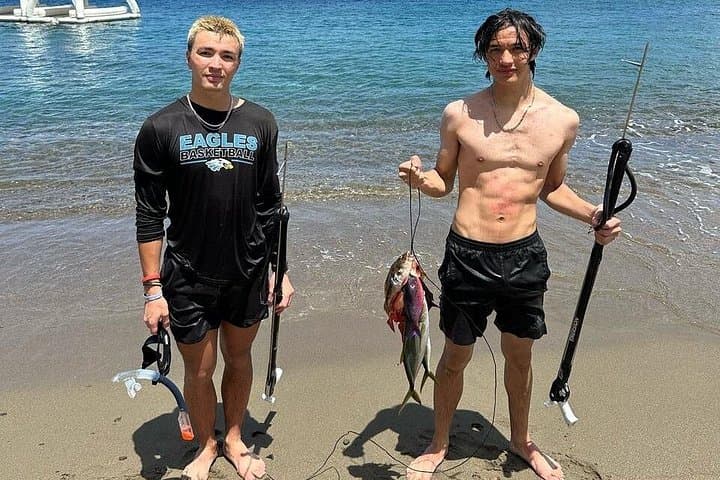
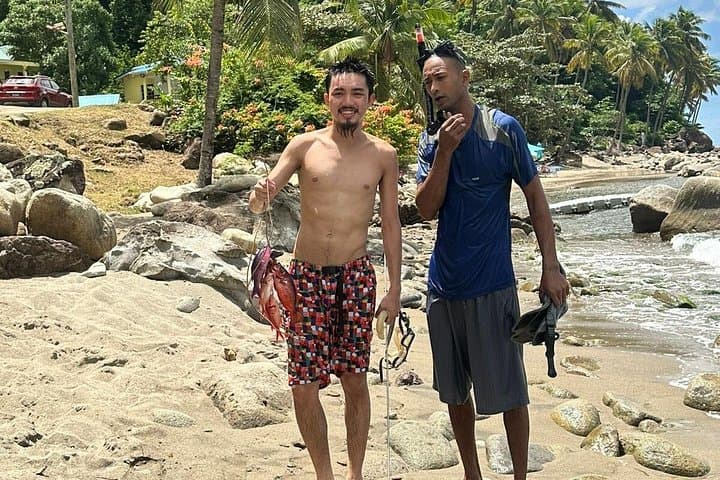
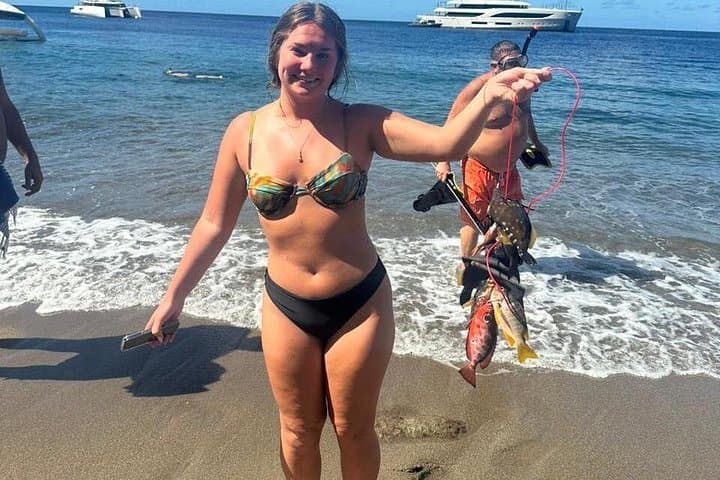
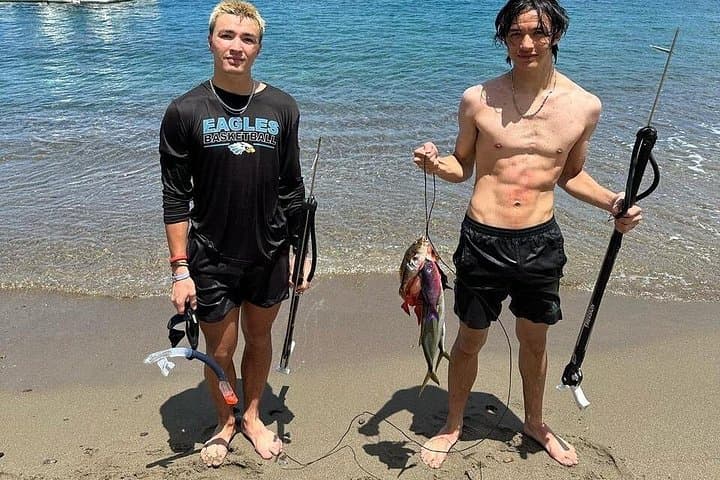
The boat slips from the shoreline off Soufrière and the island falls away into blue. Sunlight fractures across the surface; below, a reef edge drops and the current nudges the group toward coral spires and plateaus where reef fish gather. Guided by local watermen, participants descend on breath-hold dives that blend hunting skill with close observation of the marine world.
The boat slips from the shoreline off Soufrière and the island falls away into blue. Sunlight fractures across the surface; below, a reef edge drops and the current nudges the group toward coral spires and plateaus where reef fish gather. Guided by local watermen, participants descend on breath-hold dives that blend hunting skill with close observation of the marine world.
Spearfishing in Saint Lucia carries a long coastal tradition: island fishers have read currents and seasons here for generations. Geologically, Soufrière sits beneath volcanic ridges and the UNESCO-listed Pitons, whose underwater slopes create steep reef walls and channels that concentrate fish. Culturally, the experience ties into community kitchens—the day's catch often becomes an evening meal prepared the old way.
Practically, expect taught instruction on breath-hold safety, sustainable targeting, and handling gear before entering the water. Reefs are rocky with coral bommies and sandy patches; visibility is usually good but varies with winds and swell. Guides supply life jackets, snorkeling gear, and local knowledge of no-take zones.
To get the most from the two-hour outing, come rested, well-hydrated, and comfortable in open water. Use reef-safe sunscreen, leave single-use plastics behind, and follow the guide's directions on which species to avoid. Plan around calmer mornings for the smoothest water and the best visibility. After the dive, the catch is often grilled ashore alongside a prepared side dish—a direct, tangible finish to an ocean-to-plate adventure.