THE ADVENTURE COLLECTIVE® · Independent discovery and booking for outdoor travel

A full-day speedboat loop from Trou d'Eau Douce visits five islands—snorkel blue marine park reefs, explore an 1864 lighthouse ruin, and savor a beachside BBQ at Ile aux Cerfs. Ideal for small groups seeking a fast-paced coastal day under Mauritius' east-coast sun.
A full-day speedboat loop from Trou d'Eau Douce visits five islands—snorkel blue marine park reefs, explore an 1864 lighthouse ruin, and savor a beachside BBQ at Ile aux Cerfs. Ideal for small groups seeking a fast-paced coastal day under Mauritius' east-coast sun.
You step onto the jet-black hull at dawn and the sea already has an appetite—laps of turquoise that seem to tug the boat forward. The speedboat slides out of Trou d'Eau Douce, spray cool against your calves, and the east-coast lagoon opens like a map unreadable until you reach it. Over seven to eight hours, the skipper charts a counterclockwise loop that reads like a short history of Mauritius: lighthouses, sandbanks, coral gardens and a colonial-era battleground seen from the bow.
Verified experiences and guided adventures in the surrounding area.
Operated by Papa's Dream · Trou d'Eau Douce, Flacq
You step onto the jet-black hull at dawn and the sea already has an appetite—laps of turquoise that seem to tug the boat forward. The speedboat slides out of Trou d'Eau Douce, spray cool against your calves, and the east-coast lagoon opens like a map unreadable until you reach it. Over seven to eight hours, the skipper charts a counterclockwise loop that reads like a short history of Mauritius: lighthouses, sandbanks, coral gardens and a colonial-era battleground seen from the bow.
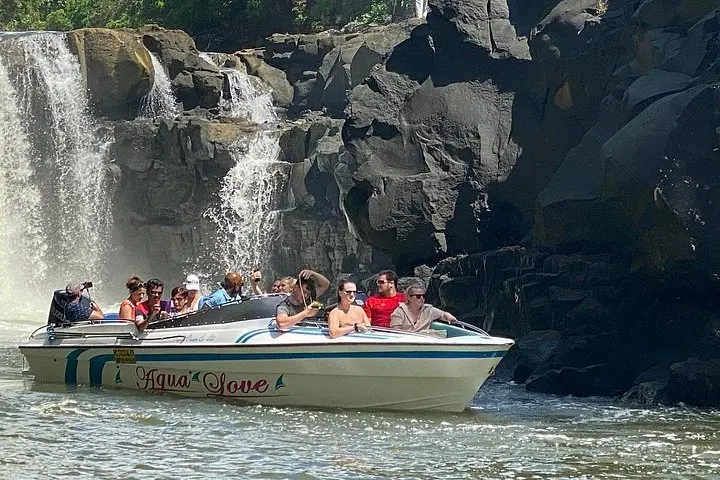
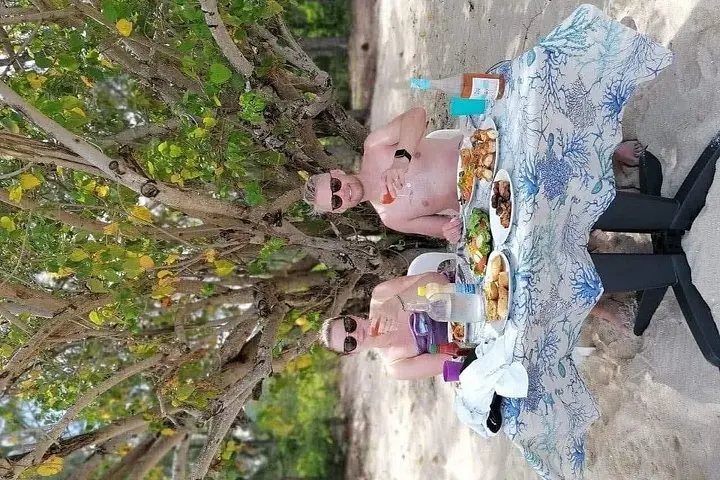
First comes the GRSE waterfall and a moment of quiet watchfulness: monkeys along the shore, curious and quick, accepting a treat if you offer it. The boat then nudges the white fringe of Ile Aux Cerfs—known to locals as Deer Island—where palms edge a narrow spit of sand and a modest golf course gives the shore a manicured look. Lunch is a flame-fresh BBQ on the beach, rum-sweet drinks and a chance to stretch under a sun that pushes down with tropical insistence.
Geology and history crowd the route. The lagoon is shallow and wide because volcanic basalt forms the backbone of the island, while coral growth has created protected pockets where marine life takes refuge. Île aux Fouquets (Ile aux Phares) still carries its 1864 lighthouse ruins; nearby, Ilot Flamants appears and disappears with the tide like a punctuation mark of sand. From a distance the boat shows you the rocky outline of Ile de la Passe, the bay where the 1810 Battle of Grand Port unfolded—a Napoleonic footnote that locals remember with quiet pride.
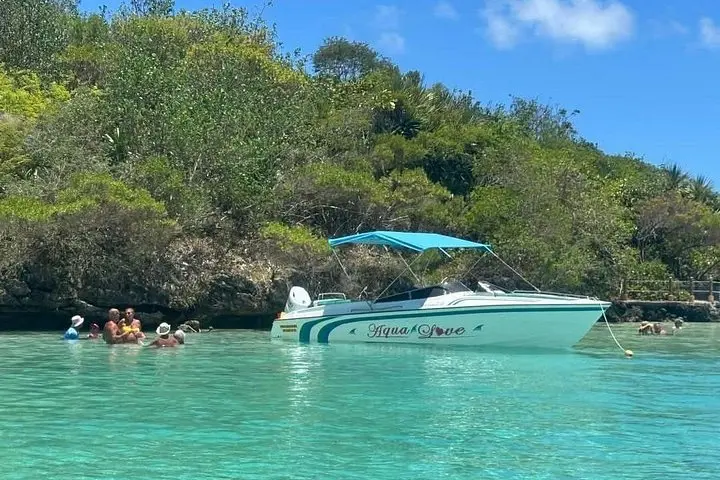
Conservation is visible: Ilot Aigrettes is off-limits, a tiny, fenced nature reserve that hums with endemic plants and birds managed by local stewards. You snorkel in a Blue Marine Park slot, where the current asks you to keep moving and the parrotfish and occasional hawksbill turtle reward your attention.
Practically, the tour is intimate—max 13 guests—so there’s room to move and ask questions. Bring reef-safe sunscreen, a hat and a light windbreaker for offshore spray. Wear reef shoes for coral shallows and insist on motion-sickness meds if you’re prone; the ocean can be playful or deliberate depending on the swell. Snorkeling gear is provided, but if you prefer your own mask or fins they’re worth packing. The day is paced: short island stops for photos and exploration, longer windows for snorkeling and a relaxed, communal BBQ on Ile Aux Cerfs.
By late afternoon you return to the harbor with salt in your hair, a camera full of flat-water blues, and the particular calm that comes from moving quickly across a landscape that refuses to stand still.
Embarkation is at the pier in Trou d'Eau Douce; the operator’s stone docking area near the coast guard is easy to find on Google Maps.
The full-day tour runs about 7–8 hours and includes BBQ lunch, drinks, snacks, bottled water, snorkel equipment and entrance fees where applicable.
Yes—snorkeling spots are chosen for visibility and safety; basic skills and comfort in shallow water are all that’s required.
Infants must sit on an adult’s lap; the tour is not recommended for pregnant travelers or those with significant spinal or heart conditions.
Onboard facilities vary by vessel; there are restroom facilities at the embarkation point and on Ile Aux Cerfs, but confirm availability with the operator if this is essential.
Alcoholic beverages are listed as included; bringing outside alcohol or special food should be cleared with the operator in advance.
Papa's Dream operates guided outdoor trips and adventures with an emphasis on safety, stewardship, and memorable experiences.
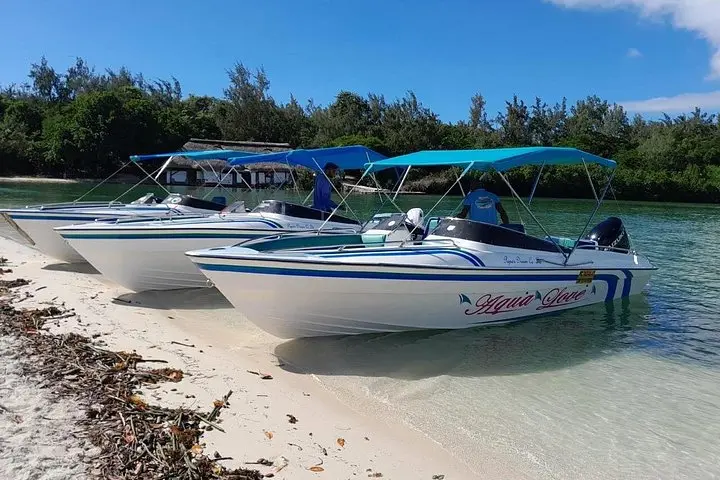
You step onto the jet-black hull at dawn and the sea already has an appetite—laps of turquoise that seem to tug the boat forward. The speedboat slides out of Trou d'Eau Douce, spray cool against your calves, and the east-coast lagoon opens like a map unreadable until you reach it. Over seven to eight hours, the skipper charts a counterclockwise loop that reads like a short history of Mauritius: lighthouses, sandbanks, coral gardens and a colonial-era battleground seen from the bow.
You step onto the jet-black hull at dawn and the sea already has an appetite—laps of turquoise that seem to tug the boat forward. The speedboat slides out of Trou d'Eau Douce, spray cool against your calves, and the east-coast lagoon opens like a map unreadable until you reach it. Over seven to eight hours, the skipper charts a counterclockwise loop that reads like a short history of Mauritius: lighthouses, sandbanks, coral gardens and a colonial-era battleground seen from the bow.
First comes the GRSE waterfall and a moment of quiet watchfulness: monkeys along the shore, curious and quick, accepting a treat if you offer it. The boat then nudges the white fringe of Ile Aux Cerfs—known to locals as Deer Island—where palms edge a narrow spit of sand and a modest golf course gives the shore a manicured look. Lunch is a flame-fresh BBQ on the beach, rum-sweet drinks and a chance to stretch under a sun that pushes down with tropical insistence.
Geology and history crowd the route. The lagoon is shallow and wide because volcanic basalt forms the backbone of the island, while coral growth has created protected pockets where marine life takes refuge. Île aux Fouquets (Ile aux Phares) still carries its 1864 lighthouse ruins; nearby, Ilot Flamants appears and disappears with the tide like a punctuation mark of sand. From a distance the boat shows you the rocky outline of Ile de la Passe, the bay where the 1810 Battle of Grand Port unfolded—a Napoleonic footnote that locals remember with quiet pride.
Conservation is visible: Ilot Aigrettes is off-limits, a tiny, fenced nature reserve that hums with endemic plants and birds managed by local stewards. You snorkel in a Blue Marine Park slot, where the current asks you to keep moving and the parrotfish and occasional hawksbill turtle reward your attention.
Practically, the tour is intimate—max 13 guests—so there’s room to move and ask questions. Bring reef-safe sunscreen, a hat and a light windbreaker for offshore spray. Wear reef shoes for coral shallows and insist on motion-sickness meds if you’re prone; the ocean can be playful or deliberate depending on the swell. Snorkeling gear is provided, but if you prefer your own mask or fins they’re worth packing. The day is paced: short island stops for photos and exploration, longer windows for snorkeling and a relaxed, communal BBQ on Ile Aux Cerfs.
By late afternoon you return to the harbor with salt in your hair, a camera full of flat-water blues, and the particular calm that comes from moving quickly across a landscape that refuses to stand still.