THE ADVENTURE COLLECTIVE® · Independent discovery and booking for outdoor travel

Combine a high-speed coastal ride with a short guided hike to Fort Rodney on this compact 3-hour tour from Castries. Expect panoramic bay views, a bit of colonial history, and time for a swim at Pigeon Island National Park.
Combine a high-speed coastal ride with a short guided hike to Fort Rodney on this compact 3-hour tour from Castries. Expect panoramic bay views, a bit of colonial history, and time for a swim at Pigeon Island National Park.
The speedboat slips out of Castries harbor and the north coast opens like a page of coastline — rocky headlands, a string of white beaches and the pale roofs of Rodney Bay slipping astern. Waves dare you forward; the sea pushes the bow toward Pigeon Island, where coral-fringed shallows meet a short, stony spit that was once a British naval outpost.
Verified experiences and guided adventures in the surrounding area.
Operated by Lush Excursions · Gros Islet, Castries Quarter
The speedboat slips out of Castries harbor and the north coast opens like a page of coastline — rocky headlands, a string of white beaches and the pale roofs of Rodney Bay slipping astern. Waves dare you forward; the sea pushes the bow toward Pigeon Island, where coral-fringed shallows meet a short, stony spit that was once a British naval outpost.
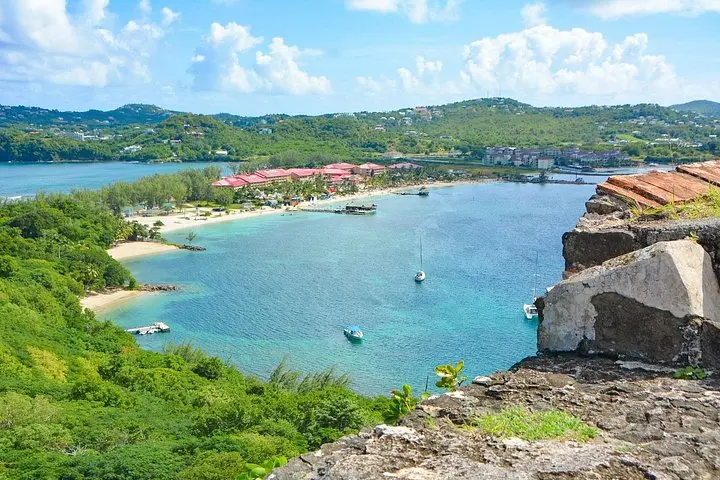
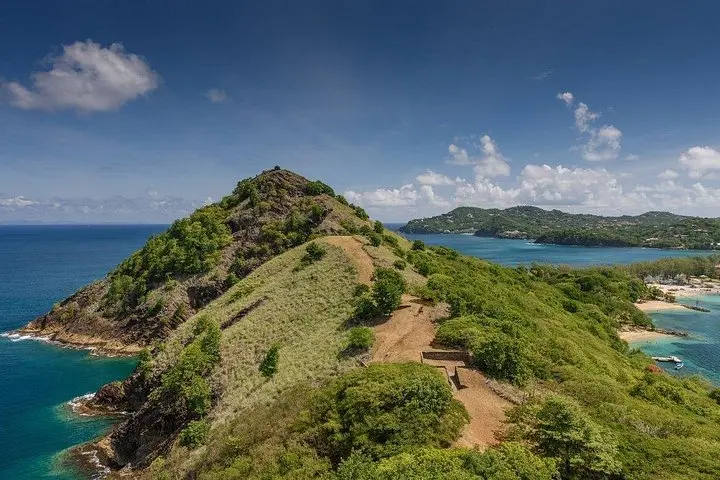
Pigeon Island National Park holds layered history: Amerindian use, 18th‑century colonial fortifications built by the British and later upgrades during the Napoleonic era under Admiral Rodney. Geologically the island is volcanic limestone and uplifted reef, offering compact trails, exposed rock, and panoramic views across the northern bay. Locally the site is a favorite for families and cruise passengers — expect a mix of beachgoers, history buffs and snorkelers.
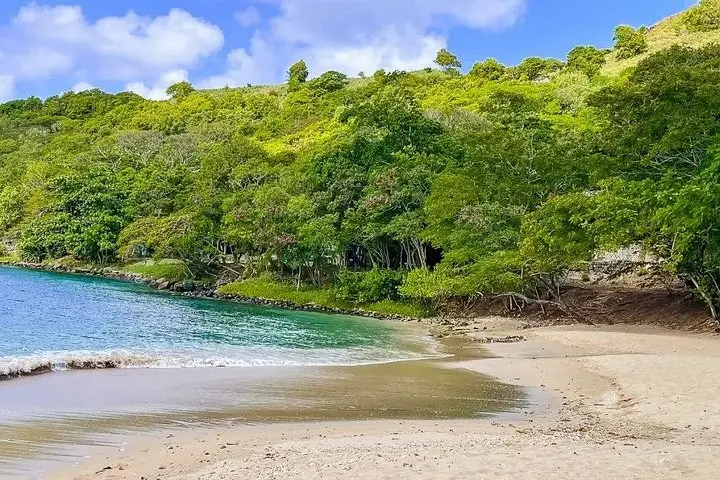
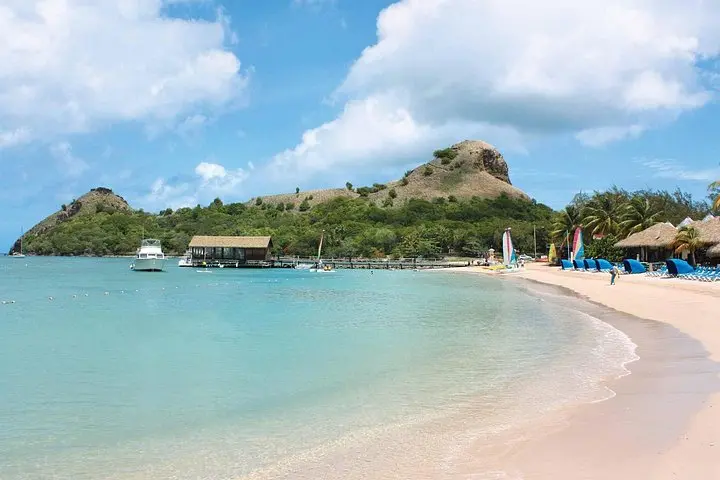
The guided portion includes a 20–40 minute hike to Fort Rodney with roughly 0.5 miles of trail and 60–120 ft of elevation gain; the path is uneven and has stone steps. After the summit views you’ll have time to swim or sunbathe in a sheltered cove before a scenic speedboat return past Reduit Beach and Rodney Bay Marina.
Practical guidance: arrive with reef-safe sunscreen, a full water bottle and reef shoes or sturdy sandals. If you have limited mobility, note the inclines and steps at the fort. Morning departures usually offer calmer seas and softer light for photos; low tide exposes tidal pools for quick exploration. The one‑hour park visit balances history, short hiking and easy beach time — compact, coastal and efficiently adventurous.
The guided hike section is short — roughly 0.5 miles with about 60–120 ft of elevation gain; allow 20–40 minutes round trip depending on stops.
Yes — participants have time to swim or relax on the beach; bring your own snorkel gear if you prefer, though shallow swimming is common.
Yes — the tour departs from Castries and is designed to fit within a cruise visit, but confirm timing with your ship’s schedule and allow extra time for return to port.
The speedboat portion is fine for many, but the Fort Rodney trail includes steps and uneven surfaces and may be difficult for those with mobility impairments.
Lush Excursions operates guided outdoor trips and adventures with an emphasis on safety, stewardship, and memorable experiences.
The speedboat slips out of Castries harbor and the north coast opens like a page of coastline — rocky headlands, a string of white beaches and the pale roofs of Rodney Bay slipping astern. Waves dare you forward; the sea pushes the bow toward Pigeon Island, where coral-fringed shallows meet a short, stony spit that was once a British naval outpost.
The speedboat slips out of Castries harbor and the north coast opens like a page of coastline — rocky headlands, a string of white beaches and the pale roofs of Rodney Bay slipping astern. Waves dare you forward; the sea pushes the bow toward Pigeon Island, where coral-fringed shallows meet a short, stony spit that was once a British naval outpost.
Pigeon Island National Park holds layered history: Amerindian use, 18th‑century colonial fortifications built by the British and later upgrades during the Napoleonic era under Admiral Rodney. Geologically the island is volcanic limestone and uplifted reef, offering compact trails, exposed rock, and panoramic views across the northern bay. Locally the site is a favorite for families and cruise passengers — expect a mix of beachgoers, history buffs and snorkelers.
The guided portion includes a 20–40 minute hike to Fort Rodney with roughly 0.5 miles of trail and 60–120 ft of elevation gain; the path is uneven and has stone steps. After the summit views you’ll have time to swim or sunbathe in a sheltered cove before a scenic speedboat return past Reduit Beach and Rodney Bay Marina.
Practical guidance: arrive with reef-safe sunscreen, a full water bottle and reef shoes or sturdy sandals. If you have limited mobility, note the inclines and steps at the fort. Morning departures usually offer calmer seas and softer light for photos; low tide exposes tidal pools for quick exploration. The one‑hour park visit balances history, short hiking and easy beach time — compact, coastal and efficiently adventurous.