THE ADVENTURE COLLECTIVE® · Independent discovery and booking for outdoor travel

Combine a scenic Saigon River speedboat ride with a hands-on visit to the Cu Chi Tunnel network. In a single day you’ll pass Landmark 81, watch rice-paper being made and crawl through historic tunnels used during the Vietnam War.
Combine a scenic Saigon River speedboat ride with a hands-on visit to the Cu Chi Tunnel network. In a single day you’ll pass Landmark 81, watch rice-paper being made and crawl through historic tunnels used during the Vietnam War.
The engines thrum as the speedboat slips away from Saigon’s skyline, the Saigon River unspooling like a ribbon of light that dares you to look inland. Skyscrapers give way to stilt houses and mango trees; Landmark 81 retreats in the rearview while riverbanks pulse with local life — fishermen nodding, children racing motos along dusty lanes.
Verified experiences and guided adventures in the surrounding area.
Operated by Vacation Indochina Travel · Ho Chi Minh City, Ho Chi Minh
The engines thrum as the speedboat slips away from Saigon’s skyline, the Saigon River unspooling like a ribbon of light that dares you to look inland. Skyscrapers give way to stilt houses and mango trees; Landmark 81 retreats in the rearview while riverbanks pulse with local life — fishermen nodding, children racing motos along dusty lanes.
The Cu Chi Tunnels sit on the flat alluvial plain northwest of Ho Chi Minh City, a man-made labyrinth carved into clay and sand where Viet Cong fighters lived, hid and struck during the Vietnam War. Geologically modest—low, porous soils and seasonal river channels—this landscape favored subterranean tactics: narrow galleries, concealed entrances and improvised ventilation. The tour pairs that history with a slice of rural culture: a village visit to watch rice-paper being made, a chance to taste street-style snacks and see everyday agricultural life that has changed little in decades.
Expect roughly 6–7 hours round trip; the speedboat transfer is scenic and efficient, and the guided tunnel visit includes reconstructed tunnels, weapon displays and demonstrations. Practical notes: tunnels require stooping and steady footing, so wear closed-toe shoes and carry water; the boat ride can be bumpy and wet, so bring a light layer and motion-sickness remedies if you’re prone. Tours limit group size and include bottled water, snacks and English-speaking guides. This is an immersive, tactile history lesson framed by a lively river crossing—ideal for travelers who want both transport by water and on-foot exploration of a pivotal piece of Vietnam’s past.
The full excursion runs about 6–7 hours (360–420 minutes) including the speedboat transfer, tunnel visit, village stop and return to Saigon.
Yes—the tour includes speedboat transfers between Saigon and the Cu Chi area as well as admission fees, bottled water, snacks and an English-speaking guide.
Children can join but the tunnels require crouching and tight spaces; the experience isn’t recommended for travelers with spinal, heart conditions or for pregnant guests.
Guides show reconstructed sections, original trap designs, weapon displays and daily-life spaces; visitors can crawl through widened museum tunnels to appreciate the constraints faced by fighters.
Vacation Indochina Travel operates guided outdoor trips and adventures with an emphasis on safety, stewardship, and memorable experiences.
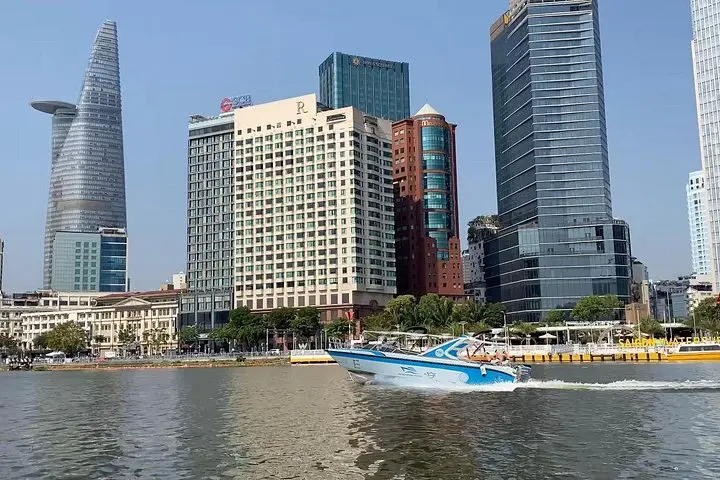

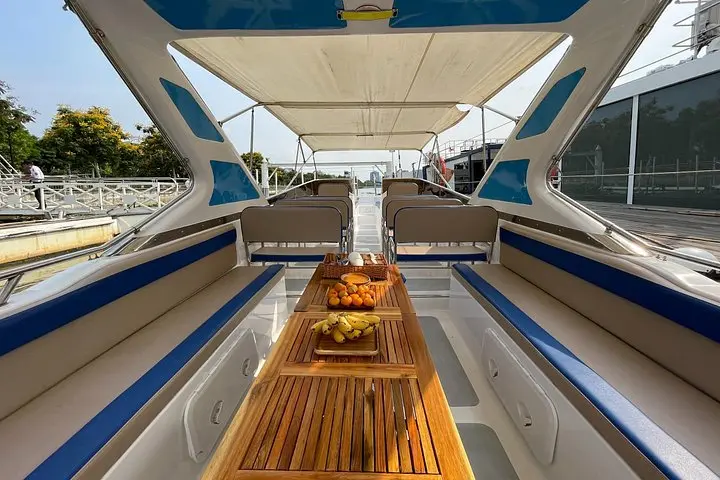

The engines thrum as the speedboat slips away from Saigon’s skyline, the Saigon River unspooling like a ribbon of light that dares you to look inland. Skyscrapers give way to stilt houses and mango trees; Landmark 81 retreats in the rearview while riverbanks pulse with local life — fishermen nodding, children racing motos along dusty lanes.
The engines thrum as the speedboat slips away from Saigon’s skyline, the Saigon River unspooling like a ribbon of light that dares you to look inland. Skyscrapers give way to stilt houses and mango trees; Landmark 81 retreats in the rearview while riverbanks pulse with local life — fishermen nodding, children racing motos along dusty lanes.
The Cu Chi Tunnels sit on the flat alluvial plain northwest of Ho Chi Minh City, a man-made labyrinth carved into clay and sand where Viet Cong fighters lived, hid and struck during the Vietnam War. Geologically modest—low, porous soils and seasonal river channels—this landscape favored subterranean tactics: narrow galleries, concealed entrances and improvised ventilation. The tour pairs that history with a slice of rural culture: a village visit to watch rice-paper being made, a chance to taste street-style snacks and see everyday agricultural life that has changed little in decades.
Expect roughly 6–7 hours round trip; the speedboat transfer is scenic and efficient, and the guided tunnel visit includes reconstructed tunnels, weapon displays and demonstrations. Practical notes: tunnels require stooping and steady footing, so wear closed-toe shoes and carry water; the boat ride can be bumpy and wet, so bring a light layer and motion-sickness remedies if you’re prone. Tours limit group size and include bottled water, snacks and English-speaking guides. This is an immersive, tactile history lesson framed by a lively river crossing—ideal for travelers who want both transport by water and on-foot exploration of a pivotal piece of Vietnam’s past.