THE ADVENTURE COLLECTIVE® · Independent discovery and booking for outdoor travel

Cut the ferry lines and reach Elephanta Island in 20 minutes by private speedboat. This compact shore excursion combines fast transit, an expert guide, and a focused visit to the UNESCO-listed rock-cut caves dedicated to Shiva.
Cut the ferry lines and reach Elephanta Island in 20 minutes by private speedboat. This compact shore excursion combines fast transit, an expert guide, and a focused visit to the UNESCO-listed rock-cut caves dedicated to Shiva.
The boat slips away from the Gateway of India and Mumbai’s skyline recedes into a band of glass and concrete. Sea spray stings the air as the speedboat carves a wide ribbon across the Arabian Sea; the island appears as a dark bluff rising from the harbor. On arrival, the island’s basalt face and carved portals suggest a quieter, older world where wind and tide have been rewriting the coastline for millennia.
Verified experiences and guided adventures in the surrounding area.
Operated by Shore Excursion India · Mumbai, Maharashtra
The boat slips away from the Gateway of India and Mumbai’s skyline recedes into a band of glass and concrete. Sea spray stings the air as the speedboat carves a wide ribbon across the Arabian Sea; the island appears as a dark bluff rising from the harbor. On arrival, the island’s basalt face and carved portals suggest a quieter, older world where wind and tide have been rewriting the coastline for millennia.
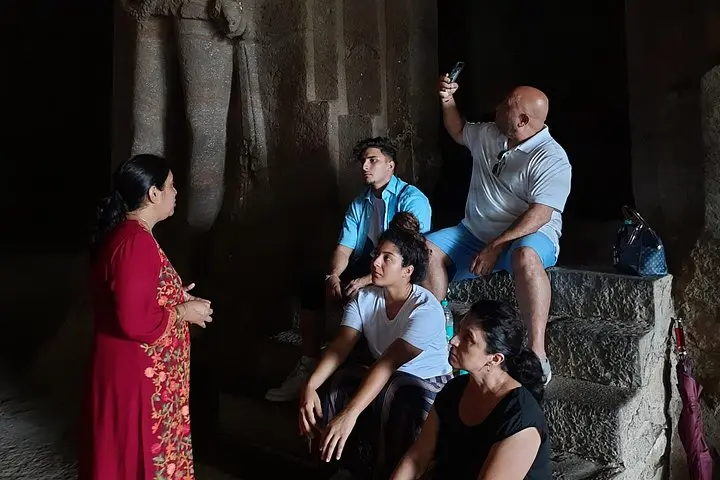
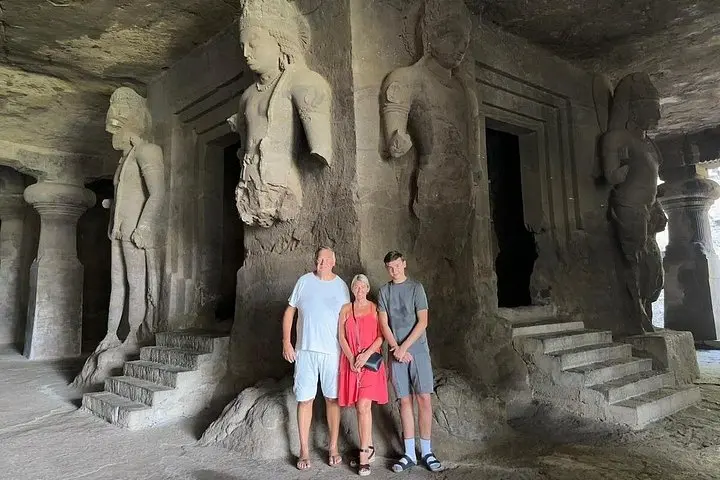
Elephanta—Gharapuri—hosts rock-cut temples dedicated to Shiva dating from roughly the 5th–8th centuries CE and recognized as a UNESCO World Heritage Site. The caves are hewn from volcanic basalt and organized around a spectacular 3-headed Trimurti relief, a compact lesson in medieval Hindu iconography and stonecraft. Local guides recount the myths and patronage that produced these chambers, while the village below preserves a working harbor culture of fishing boats and roadside tea stalls.
Practically, the private speedboat cuts travel time to about 20 minutes versus public ferries. Expect a moderate walk: from the jetty there are roughly 120 steps to the main cave, with a carriage option for reduced exertion. Bring sun protection, a refillable water bottle, and sturdy shoes for uneven stone floors. Mornings deliver cooler light and smaller crowds; monsoon seas can be choppy and tours may be rescheduled. Respect the monument—no touching the sculptures—and follow the licensed guide’s route to get the most historical context without adding to wear.
This excursion blends quick transport, concentrated cultural heritage, and easy logistics—ideal for travelers who want a short, intense encounter with Mumbai’s maritime past.
The private speedboat crosses in about 20–30 minutes depending on sea conditions, compared with roughly 90 minutes for the standard public ferry.
There are about 120 steps from the main jetty to the principal cave; a carriage service can reduce stairs but full accessibility is limited once inside the cave complex.
Photography is generally permitted in the open cave areas but avoid flash on ancient carvings and follow any posted restrictions or guide instructions.
Operators will cancel or reschedule if seas are unsafe; check the cancellation policy and plan for morning departures when conditions are most stable.
Shore Excursion India operates guided outdoor trips and adventures with an emphasis on safety, stewardship, and memorable experiences.

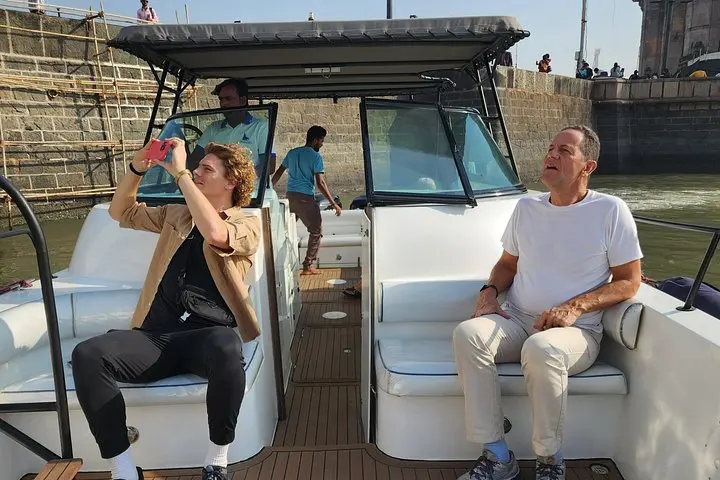
The boat slips away from the Gateway of India and Mumbai’s skyline recedes into a band of glass and concrete. Sea spray stings the air as the speedboat carves a wide ribbon across the Arabian Sea; the island appears as a dark bluff rising from the harbor. On arrival, the island’s basalt face and carved portals suggest a quieter, older world where wind and tide have been rewriting the coastline for millennia.
The boat slips away from the Gateway of India and Mumbai’s skyline recedes into a band of glass and concrete. Sea spray stings the air as the speedboat carves a wide ribbon across the Arabian Sea; the island appears as a dark bluff rising from the harbor. On arrival, the island’s basalt face and carved portals suggest a quieter, older world where wind and tide have been rewriting the coastline for millennia.
Elephanta—Gharapuri—hosts rock-cut temples dedicated to Shiva dating from roughly the 5th–8th centuries CE and recognized as a UNESCO World Heritage Site. The caves are hewn from volcanic basalt and organized around a spectacular 3-headed Trimurti relief, a compact lesson in medieval Hindu iconography and stonecraft. Local guides recount the myths and patronage that produced these chambers, while the village below preserves a working harbor culture of fishing boats and roadside tea stalls.
Practically, the private speedboat cuts travel time to about 20 minutes versus public ferries. Expect a moderate walk: from the jetty there are roughly 120 steps to the main cave, with a carriage option for reduced exertion. Bring sun protection, a refillable water bottle, and sturdy shoes for uneven stone floors. Mornings deliver cooler light and smaller crowds; monsoon seas can be choppy and tours may be rescheduled. Respect the monument—no touching the sculptures—and follow the licensed guide’s route to get the most historical context without adding to wear.
This excursion blends quick transport, concentrated cultural heritage, and easy logistics—ideal for travelers who want a short, intense encounter with Mumbai’s maritime past.