THE ADVENTURE COLLECTIVE® · Independent discovery and booking for outdoor travel

Drive into Speyside for a private, full-day tour of iconic distilleries, cooperage and historic bridges. Expect behind-the-scenes access, tastings and countryside views on this 7–8 hour malt-focused experience from Inverness.
Drive into Speyside for a private, full-day tour of iconic distilleries, cooperage and historic bridges. Expect behind-the-scenes access, tastings and countryside views on this 7–8 hour malt-focused experience from Inverness.
You roll out of Inverness into rolling fields and a ribbon of river that seems to push you east toward Speyside. The road narrows, stone walls climb like old handwriting, and the air carries that faint cereal sweetness that announces barley country. Carrbridge appears first — its 1717 packhorse bridge a quiet, time-worn landmark where the River Dulnain can switch from a lazy thread to a thundering sheet after heavy rain.
Verified experiences and guided adventures in the surrounding area.
Operated by Highland Guided Tours · Aberlour, Moray
You roll out of Inverness into rolling fields and a ribbon of river that seems to push you east toward Speyside. The road narrows, stone walls climb like old handwriting, and the air carries that faint cereal sweetness that announces barley country. Carrbridge appears first — its 1717 packhorse bridge a quiet, time-worn landmark where the River Dulnain can switch from a lazy thread to a thundering sheet after heavy rain.
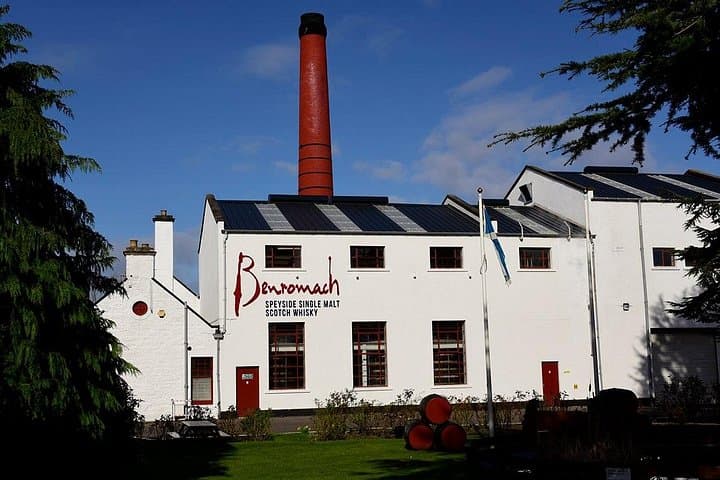
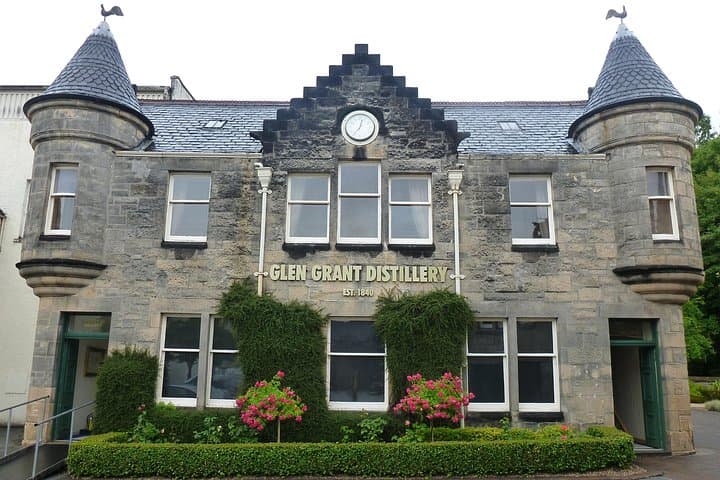
Speyside’s geology—soft schists and alluvial plains carved by the Spey and its tributaries—created the ideal conditions for barley, peat-free water and cooperage timber that shaped modern malt whisky. The region’s distilling history runs from illicit stills and 18th-century licences to family-owned operations like Glenfarclas and pioneering houses such as Glen Grant and Benromach. The cooperage tradition here is not window dressing; casks made nearby have helped mature whiskies consumed worldwide.
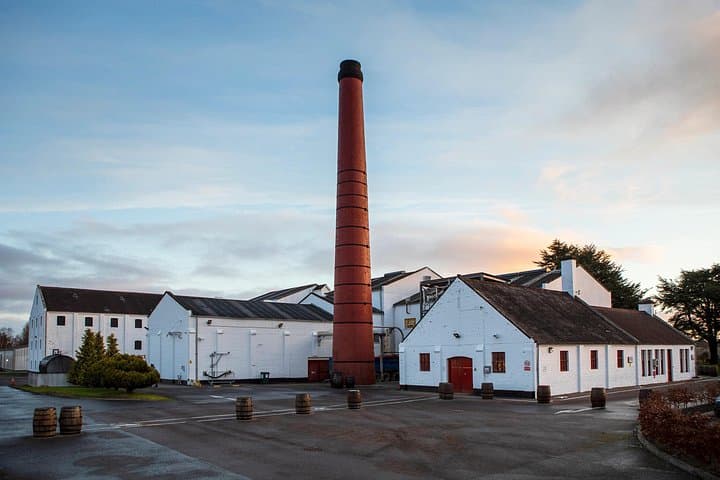
Expect a day of short drives between compact, working distilleries and the only visitor cooperage in Britain. Tours typically include behind-the-scenes looks at still rooms and dunnage warehouses, plus guided tastings that train your palate from fresh, malty spirits to sherry-cask richness. Guides will swap distilleries to match preferences in a private vehicle, and snacks and water are provided.
Practical pointers: bring government ID for tastings, layer for variable Highland weather, and plan transport — this experience is best when you let a guide handle the driving. Pace your tastings, hydrate between samples, and save room to wander a distillery garden or the riverside for fresh air between pours.
Typical duration is 7–8 hours (approximately 420–480 minutes); start times vary by operator—confirm when booking.
Tastings are included at most stops; guests must be 18 or older and present valid ID.
Yes—this is a private tour and operators can often swap distilleries to suit your group’s preferences.
The tour vehicle and many visitor centres are wheelchair accessible, though some historic distillery areas have uneven surfaces—notify the operator of needs when booking.
Highland Guided Tours operates guided outdoor trips and adventures with an emphasis on safety, stewardship, and memorable experiences.
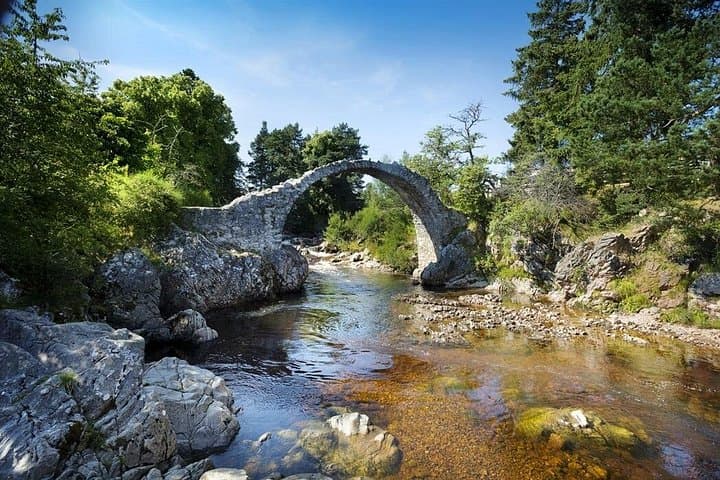
You roll out of Inverness into rolling fields and a ribbon of river that seems to push you east toward Speyside. The road narrows, stone walls climb like old handwriting, and the air carries that faint cereal sweetness that announces barley country. Carrbridge appears first — its 1717 packhorse bridge a quiet, time-worn landmark where the River Dulnain can switch from a lazy thread to a thundering sheet after heavy rain.
You roll out of Inverness into rolling fields and a ribbon of river that seems to push you east toward Speyside. The road narrows, stone walls climb like old handwriting, and the air carries that faint cereal sweetness that announces barley country. Carrbridge appears first — its 1717 packhorse bridge a quiet, time-worn landmark where the River Dulnain can switch from a lazy thread to a thundering sheet after heavy rain.
Speyside’s geology—soft schists and alluvial plains carved by the Spey and its tributaries—created the ideal conditions for barley, peat-free water and cooperage timber that shaped modern malt whisky. The region’s distilling history runs from illicit stills and 18th-century licences to family-owned operations like Glenfarclas and pioneering houses such as Glen Grant and Benromach. The cooperage tradition here is not window dressing; casks made nearby have helped mature whiskies consumed worldwide.
Expect a day of short drives between compact, working distilleries and the only visitor cooperage in Britain. Tours typically include behind-the-scenes looks at still rooms and dunnage warehouses, plus guided tastings that train your palate from fresh, malty spirits to sherry-cask richness. Guides will swap distilleries to match preferences in a private vehicle, and snacks and water are provided.
Practical pointers: bring government ID for tastings, layer for variable Highland weather, and plan transport — this experience is best when you let a guide handle the driving. Pace your tastings, hydrate between samples, and save room to wander a distillery garden or the riverside for fresh air between pours.