THE ADVENTURE COLLECTIVE® · Independent discovery and booking for outdoor travel

Spend a full day exploring the Spitzkoppe’s towering granite domes, ancient San rock art and the eerie Zeila shipwreck on this guided 4x4 excursion from Swakopmund. Expect short walks, dramatic photo ops and a desert lunch beneath 120‑million‑year‑old peaks.
Spend a full day exploring the Spitzkoppe’s towering granite domes, ancient San rock art and the eerie Zeila shipwreck on this guided 4x4 excursion from Swakopmund. Expect short walks, dramatic photo ops and a desert lunch beneath 120‑million‑year‑old peaks.
You drive out of Swakopmund before dawn, the Atlantic shrinking behind you as the land opens into raw, sunbaked granite. By midmorning the Spitzkoppe rises like a sculpted island — a cluster of rounded domes and a needle peak that photographers call the "Matterhorn of Africa." Wind scrapes at the valley; silence announces the scale.
Verified experiences and guided adventures in the surrounding area.
Operated by Onaluru Safari and Tours · Spitzkoppe, Erongo Region
You drive out of Swakopmund before dawn, the Atlantic shrinking behind you as the land opens into raw, sunbaked granite. By midmorning the Spitzkoppe rises like a sculpted island — a cluster of rounded domes and a needle peak that photographers call the "Matterhorn of Africa." Wind scrapes at the valley; silence announces the scale.
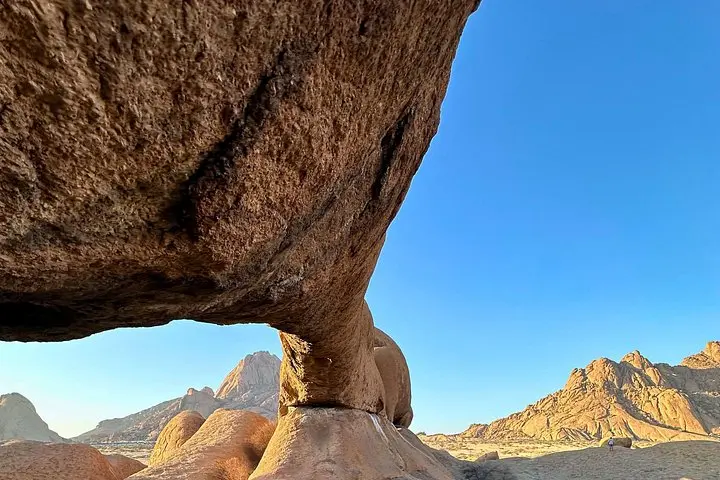
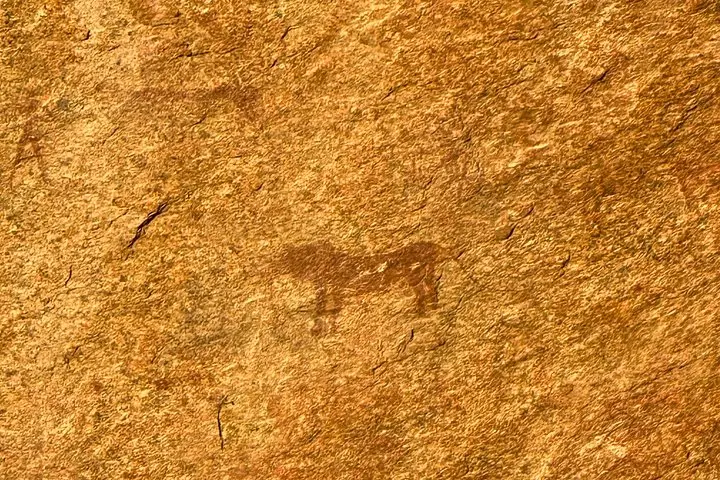
The rocks here are ancient: 120‑million‑year‑old granite shaped by water and wind into arches, overhangs and sheltered caves. The San people left line drawings and painted panels on these walls; a guide will point out hunting scenes and clan marks and explain how pigment, placement and weathering reveal layers of human history.
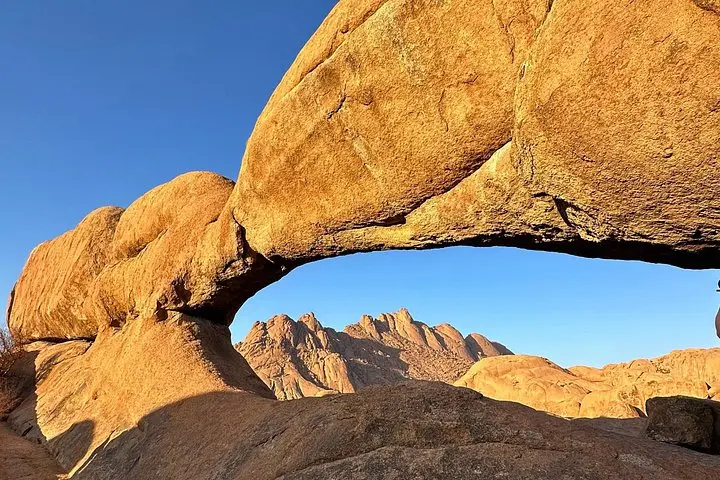
The day includes a short guided walk to the Natural Arch, slow exploration among massive boulders, and a picnic lunch with panoramic views. On the return drive you stop at the Zeila shipwreck — iron and salt making a surreal photo against the Skeleton Coast — and pass the quiet fishing town of Henties Bay.
Plan for bright sun, sharp shadows and uneven footing. Wear sturdy hiking shoes with good grip, bring at least 2–3 liters of water, sun protection and a light wind layer for coastal gusts. The route is accessible in a 4x4 and works for a wide range of fitness levels, but those with mobility limits should note short rocky scrambles at viewpoints. For photographers, mid‑day light is harsh; aim for morning or late afternoon for the best color on the granite.
This is a day of geology, open desert, and human traces — compact, visual and surprisingly quiet.
The round‑trip drive is roughly 2–2.5 hours each way depending on stops and road conditions; total tour time is about 8–9 hours.
Yes — the guide leads short walks to sites where you can observe panels from a respectful distance; touching is prohibited to preserve the art.
The tour is family‑friendly but involves uneven terrain; children and older adults should be able to manage short walks and rocky sections.
Wildlife sightings are sporadic but you may spot small mammals, birds and lizards adapted to the desert environment, especially near dawn and dusk.
Onaluru Safari and Tours operates guided outdoor trips and adventures with an emphasis on safety, stewardship, and memorable experiences.
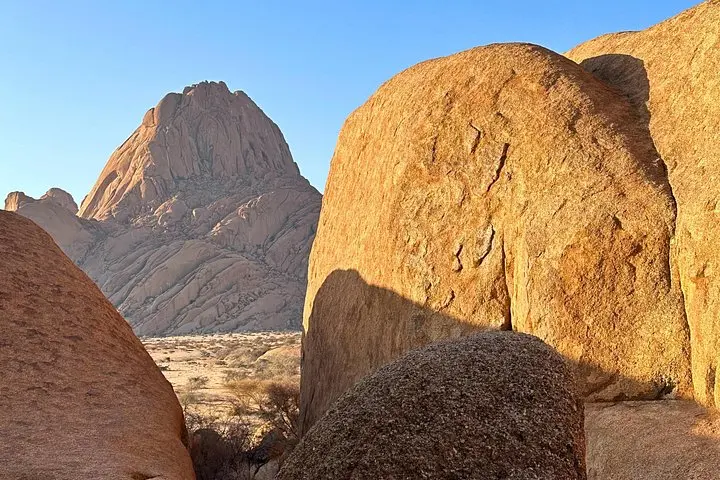
You drive out of Swakopmund before dawn, the Atlantic shrinking behind you as the land opens into raw, sunbaked granite. By midmorning the Spitzkoppe rises like a sculpted island — a cluster of rounded domes and a needle peak that photographers call the "Matterhorn of Africa." Wind scrapes at the valley; silence announces the scale.
You drive out of Swakopmund before dawn, the Atlantic shrinking behind you as the land opens into raw, sunbaked granite. By midmorning the Spitzkoppe rises like a sculpted island — a cluster of rounded domes and a needle peak that photographers call the "Matterhorn of Africa." Wind scrapes at the valley; silence announces the scale.
The rocks here are ancient: 120‑million‑year‑old granite shaped by water and wind into arches, overhangs and sheltered caves. The San people left line drawings and painted panels on these walls; a guide will point out hunting scenes and clan marks and explain how pigment, placement and weathering reveal layers of human history.
The day includes a short guided walk to the Natural Arch, slow exploration among massive boulders, and a picnic lunch with panoramic views. On the return drive you stop at the Zeila shipwreck — iron and salt making a surreal photo against the Skeleton Coast — and pass the quiet fishing town of Henties Bay.
Plan for bright sun, sharp shadows and uneven footing. Wear sturdy hiking shoes with good grip, bring at least 2–3 liters of water, sun protection and a light wind layer for coastal gusts. The route is accessible in a 4x4 and works for a wide range of fitness levels, but those with mobility limits should note short rocky scrambles at viewpoints. For photographers, mid‑day light is harsh; aim for morning or late afternoon for the best color on the granite.
This is a day of geology, open desert, and human traces — compact, visual and surprisingly quiet.