THE ADVENTURE COLLECTIVE® · Independent discovery and booking for outdoor travel

A compact, guided transfer that pairs a scenic drive from Split to Zagreb with a focused stop at Plitvice Lakes National Park. Perfect for travelers who want to see the park’s highlights without overnighting nearby.
A compact, guided transfer that pairs a scenic drive from Split to Zagreb with a focused stop at Plitvice Lakes National Park. Perfect for travelers who want to see the park’s highlights without overnighting nearby.
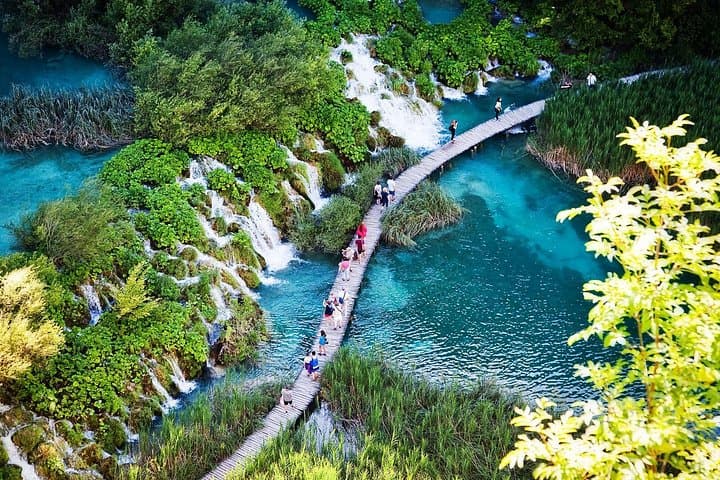
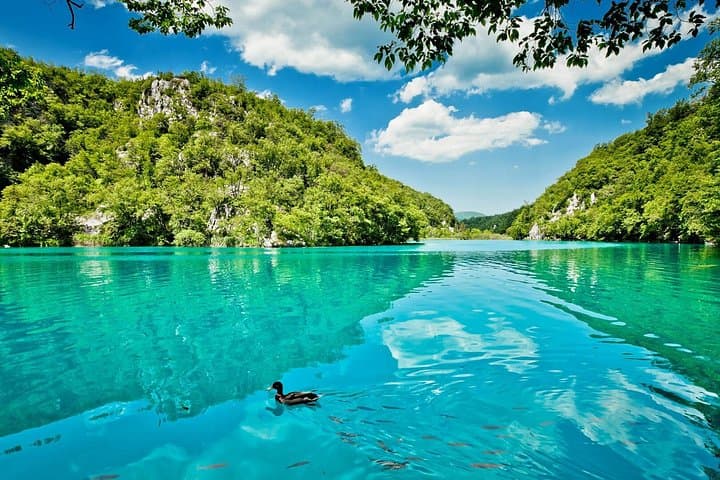
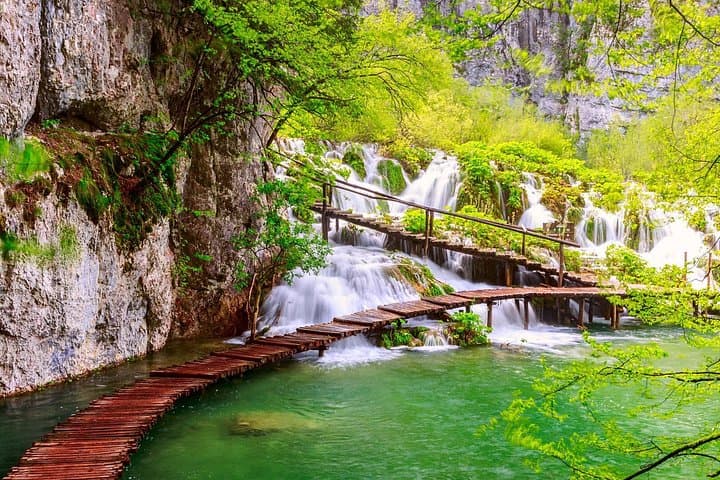
You step off the air-conditioned coach into a hush of falling water and moss-slick boardwalks—the air cool, mineral-rich, the lake surfaces glassy except where the cascades insist on moving. This one-day guided transfer from Split to Zagreb pauses at Plitvice Lakes National Park, giving travelers a concentrated encounter with the park’s lower and upper lakes, wooden walkways, and the thunder of Veliki Slap.
Verified experiences and guided adventures in the surrounding area.
Operated by Gray Line Croatia · Plitvička Jezera, Lika-Senj County
You step off the air-conditioned coach into a hush of falling water and moss-slick boardwalks—the air cool, mineral-rich, the lake surfaces glassy except where the cascades insist on moving. This one-day guided transfer from Split to Zagreb pauses at Plitvice Lakes National Park, giving travelers a concentrated encounter with the park’s lower and upper lakes, wooden walkways, and the thunder of Veliki Slap.
Plitvice’s landscape is shaped by travertine dams: calcium carbonate deposits slowly building the park’s terraces and waterfalls over millennia. UNESCO listed the area for both its geology and biodiversity; nearby communities reflect Lika-Senj County’s rural mountain culture, with pastoral traditions and wartime history visible in scattered stone villages.
The guided stop typically includes a guided walk across boardwalks, a panoramic electric train, and a short boat crossing on Kozjak Lake—efficient ways to see major sights in roughly four hours before the transfer continues to Zagreb.
Practicalities matter: expect uneven wooden paths, short stair sections, and crowds in high season. Wear sturdy, closed-toe shoes, carry at least 1–2 liters of water, and plan for weather changes—rain can make paths slick. Timed park entry and a fixed bus schedule mean the visit is compact; use the guide’s route to prioritize Veliki Slap and the Upper Lakes viewpoints. Photographers should bring a neutral-density filter for silky-water shots; hikers who want more solitude should consider an overnight in the Plitvice area and explore early-morning trails when the park quiets. This transfer maximizes time on the lakes while keeping logistics simple for travelers moving between Split and Zagreb.
No—the tour supplies park entrance tickets on arrival, but confirm this at booking; time-slot entry is enforced during busy months.
The guided stop is typically around 3–4 hours, enough to see highlights like Veliki Slap, Kozjak Lake, and major boardwalk sections.
Some lower-lake boardwalks are stroller-friendly, but there are stairs and uneven sections; the visit is not recommended for travelers with significant walking disabilities.
Yes—you can arrange to remain in the Plitvice area, but confirm pickup/return logistics with the operator in advance.
Gray Line Croatia operates guided outdoor trips and adventures with an emphasis on safety, stewardship, and memorable experiences.

You step off the air-conditioned coach into a hush of falling water and moss-slick boardwalks—the air cool, mineral-rich, the lake surfaces glassy except where the cascades insist on moving. This one-day guided transfer from Split to Zagreb pauses at Plitvice Lakes National Park, giving travelers a concentrated encounter with the park’s lower and upper lakes, wooden walkways, and the thunder of Veliki Slap.
You step off the air-conditioned coach into a hush of falling water and moss-slick boardwalks—the air cool, mineral-rich, the lake surfaces glassy except where the cascades insist on moving. This one-day guided transfer from Split to Zagreb pauses at Plitvice Lakes National Park, giving travelers a concentrated encounter with the park’s lower and upper lakes, wooden walkways, and the thunder of Veliki Slap.
Plitvice’s landscape is shaped by travertine dams: calcium carbonate deposits slowly building the park’s terraces and waterfalls over millennia. UNESCO listed the area for both its geology and biodiversity; nearby communities reflect Lika-Senj County’s rural mountain culture, with pastoral traditions and wartime history visible in scattered stone villages.
The guided stop typically includes a guided walk across boardwalks, a panoramic electric train, and a short boat crossing on Kozjak Lake—efficient ways to see major sights in roughly four hours before the transfer continues to Zagreb.
Practicalities matter: expect uneven wooden paths, short stair sections, and crowds in high season. Wear sturdy, closed-toe shoes, carry at least 1–2 liters of water, and plan for weather changes—rain can make paths slick. Timed park entry and a fixed bus schedule mean the visit is compact; use the guide’s route to prioritize Veliki Slap and the Upper Lakes viewpoints. Photographers should bring a neutral-density filter for silky-water shots; hikers who want more solitude should consider an overnight in the Plitvice area and explore early-morning trails when the park quiets. This transfer maximizes time on the lakes while keeping logistics simple for travelers moving between Split and Zagreb.