THE ADVENTURE COLLECTIVE® · Independent discovery and booking for outdoor travel

Walk The Strand after dark and let Galveston’s long, violent history unfold between Victorian storefronts and shadowed alleys. This 90‑minute, wheelchair‑accessible tour blends documented history with local ghost lore for an atmospheric stroll through one of the Gulf Coast’s most storied streets.
Walk The Strand after dark and let Galveston’s long, violent history unfold between Victorian storefronts and shadowed alleys. This 90‑minute, wheelchair‑accessible tour blends documented history with local ghost lore for an atmospheric stroll through one of the Gulf Coast’s most storied streets.
Night falls over The Strand and the painted facades of 19th‑century mercantile buildings throw long, odd shadows across cobblestone sidewalks. A cold Gulf breeze tugs at jackets and seems to whisper through alleyways as your guide leads the group past shuttered storefronts and gas‑lamp posts that watch like quiet witnesses.
Verified experiences and guided adventures in the surrounding area.
Operated by Historic Galveston Ghost Tours · Galveston, Texas
Night falls over The Strand and the painted facades of 19th‑century mercantile buildings throw long, odd shadows across cobblestone sidewalks. A cold Gulf breeze tugs at jackets and seems to whisper through alleyways as your guide leads the group past shuttered storefronts and gas‑lamp posts that watch like quiet witnesses.
Galveston was a boomtown port, rebuilt and rebuked by hurricanes, fire, yellow fever and the commerce of the Gulf. The 1900 Storm reshaped the island’s coastline and culture; the Strand itself rose as the island’s commercial spine, a place of hotels, theaters and railroad arrivals — and stories of sudden, unexplained death. Jean Lafitte’s piracy, Civil War troop movements and a run of epidemics left the island rich in history and, locals say, in restless spirits.
Walking here is urban geology: reclaimed land, salt‑air weathering old brick and ironwork, and a flat streetscape punctuated by alleys that focus sound and drafts. The tour moves at an easy pace, pausing at former hotels, a long‑shuttered railroad station and the opera house where theatrical tragedy once played out.
Practical guidance: the experience is a 90‑minute walking tour on mostly level, paved surfaces — accessible for strollers and wheelchairs with guide assistance. Wear sturdy shoes, bring a warm layer (Gulf evenings cool quickly) and a charged phone light. Parking on The Strand is free after 6 p.m.; meet in front of Patrick’s Bar at 2411 Strand. Expect low‑light conditions, brief stories of recorded incidents and local lore; keep voices low to respect nearby residents and the historic district. Whether you come for history or the thrill, the Strand’s past will follow you home.
Meet in front of Patrick’s Bar at 2411 Strand; look for the hanging sign and the tour leader — parking on The Strand is free after 6 p.m.
Yes — the route uses mostly paved, level sidewalks and is listed as wheelchair accessible; notify the operator of special requirements when booking.
Tours may be canceled in severe weather; check confirmation details and the operator’s cancellation policy for full refund rules if you cancel at least 24 hours prior.
Yes — the tour is family friendly, but content includes historical deaths and local lore; parents should decide based on their child’s sensitivity to spooky stories.
Historic Galveston Ghost Tours operates guided outdoor trips and adventures with an emphasis on safety, stewardship, and memorable experiences.
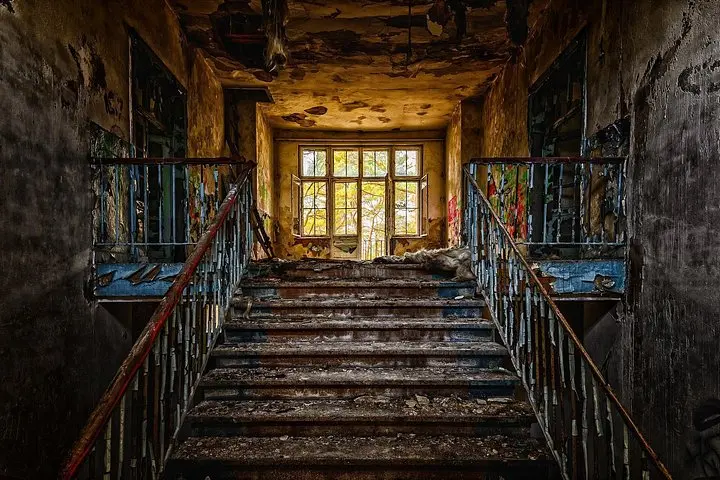



Night falls over The Strand and the painted facades of 19th‑century mercantile buildings throw long, odd shadows across cobblestone sidewalks. A cold Gulf breeze tugs at jackets and seems to whisper through alleyways as your guide leads the group past shuttered storefronts and gas‑lamp posts that watch like quiet witnesses.
Night falls over The Strand and the painted facades of 19th‑century mercantile buildings throw long, odd shadows across cobblestone sidewalks. A cold Gulf breeze tugs at jackets and seems to whisper through alleyways as your guide leads the group past shuttered storefronts and gas‑lamp posts that watch like quiet witnesses.
Galveston was a boomtown port, rebuilt and rebuked by hurricanes, fire, yellow fever and the commerce of the Gulf. The 1900 Storm reshaped the island’s coastline and culture; the Strand itself rose as the island’s commercial spine, a place of hotels, theaters and railroad arrivals — and stories of sudden, unexplained death. Jean Lafitte’s piracy, Civil War troop movements and a run of epidemics left the island rich in history and, locals say, in restless spirits.
Walking here is urban geology: reclaimed land, salt‑air weathering old brick and ironwork, and a flat streetscape punctuated by alleys that focus sound and drafts. The tour moves at an easy pace, pausing at former hotels, a long‑shuttered railroad station and the opera house where theatrical tragedy once played out.
Practical guidance: the experience is a 90‑minute walking tour on mostly level, paved surfaces — accessible for strollers and wheelchairs with guide assistance. Wear sturdy shoes, bring a warm layer (Gulf evenings cool quickly) and a charged phone light. Parking on The Strand is free after 6 p.m.; meet in front of Patrick’s Bar at 2411 Strand. Expect low‑light conditions, brief stories of recorded incidents and local lore; keep voices low to respect nearby residents and the historic district. Whether you come for history or the thrill, the Strand’s past will follow you home.