THE ADVENTURE COLLECTIVE® · Independent discovery and booking for outdoor travel

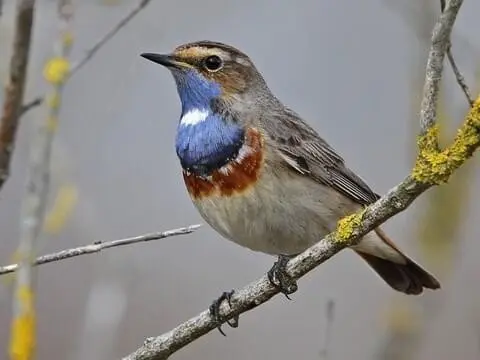
Spend four days tracking spring migration on Texel from a single hotel base in De Koog. Expect close views of Bluethroats in willow scrub, breeding waders in high-water meadows and reliable hides at Zwanenwater and Vogelplas Starrevaart.
Spend four days tracking spring migration on Texel from a single hotel base in De Koog. Expect close views of Bluethroats in willow scrub, breeding waders in high-water meadows and reliable hides at Zwanenwater and Vogelplas Starrevaart.
Book with WildSpace
Verified experiences and guided adventures in the surrounding area.
Operated by WildSpace · De Koog, Noord-Holland
Spring Bluethroats & Coastal Waders of Texel unfolds across four days on the island of Texel, with the meeting point in De Koog. This focused migration tour tracks the spring movement of Bluethroats, Black Terns, and a suite of waders through coastline, salt marsh, dune slacks and high-water meadows. You’ll base at the Grand Hotel Opduin for three nights, which keeps mornings simple and minimizes time packing so you can prioritize dawn watches and sidelong light. The itinerary begins on the North Holland peninsula with targeted stops at Zwanenwater’s dune lakes and established hides before crossing to Texel, then follows habitat by habitat. Afternoons and mornings are spent in De Horsmeertjes’s willow scrub where male Bluethroats sing from low branches, in the central polders around Waalenburg watching breeding Black-tailed Godwits and Avocets from peripheral viewing platforms, and on the northwest coast at De Slufter scanning salt marshes and dune slacks for nesting Sandwich and Little Terns, Pygmy Cormorants and passing Ruff. On the return leg, Vogelplas Starrevaart’s silt lagoon and its hide offer reliable late-spring staging posts for Black Terns and Mediterranean Gulls shortly before the ferry to Hook of Holland. What makes this trip stand out is the variety of coastal habitats squeezed into short drives: reedbeds and freshwater dune lakes at Zwanenwater, tidal salt marsh and dune slack systems that favor Bluethroats, and cultivated high-water meadows that attract displaying waders. Spring on Texel can also produce sightings of more conspicuous species such as White-tailed Eagles and spoonbill colonies, giving an extra layer of spectacle to otherwise intimate fieldcraft. Guided by English-speaking naturalists, groups are small — typically two people — and routes favor paths and flat ground, making this accessible to active beginners and seasoned birders who want close views without difficult hiking. Practical details are explicit: the tour is booked with a deposit; full tour price is listed at £1,500pp. Optional upgrades add flexibility, from house accommodation to brewery visits, wine pairings and a seal tour. The group will use local facilities such as the Vogelinformatiecentrum Texel in De Cocksdorp to check recent sightings and support local expertise. For photographers and birders seeking spring arrival and courtship displays, this itinerary concentrates time at the right habitats at the right tides and times of day, offering repeat opportunities to see target species while supporting conservation-minded viewing from hides and platforms. Guides will advise on minimal-impact behavior, best optics and timing, and can help customize upgrades such as extra nights or private brewery tastings. Minimum age is 6, group size is small and terrain is largely flat, meaning families and older travelers who move steadily can enjoy sustained wildlife watching. Bring binoculars and a patient, curious eye and fieldguide
The tour meets in De Koog, Texel as stated in the meeting point information.
The minimum age for this tour is 6 years old.
Groups are small, typically two people, allowing close attention from guides.
Guides operate in English for this tour.
You are booking a tour deposit; the full tour price is listed at £1,500pp.
Accommodation is at the Grand Hotel Opduin for the duration of the tour, keeping a single base on the island.
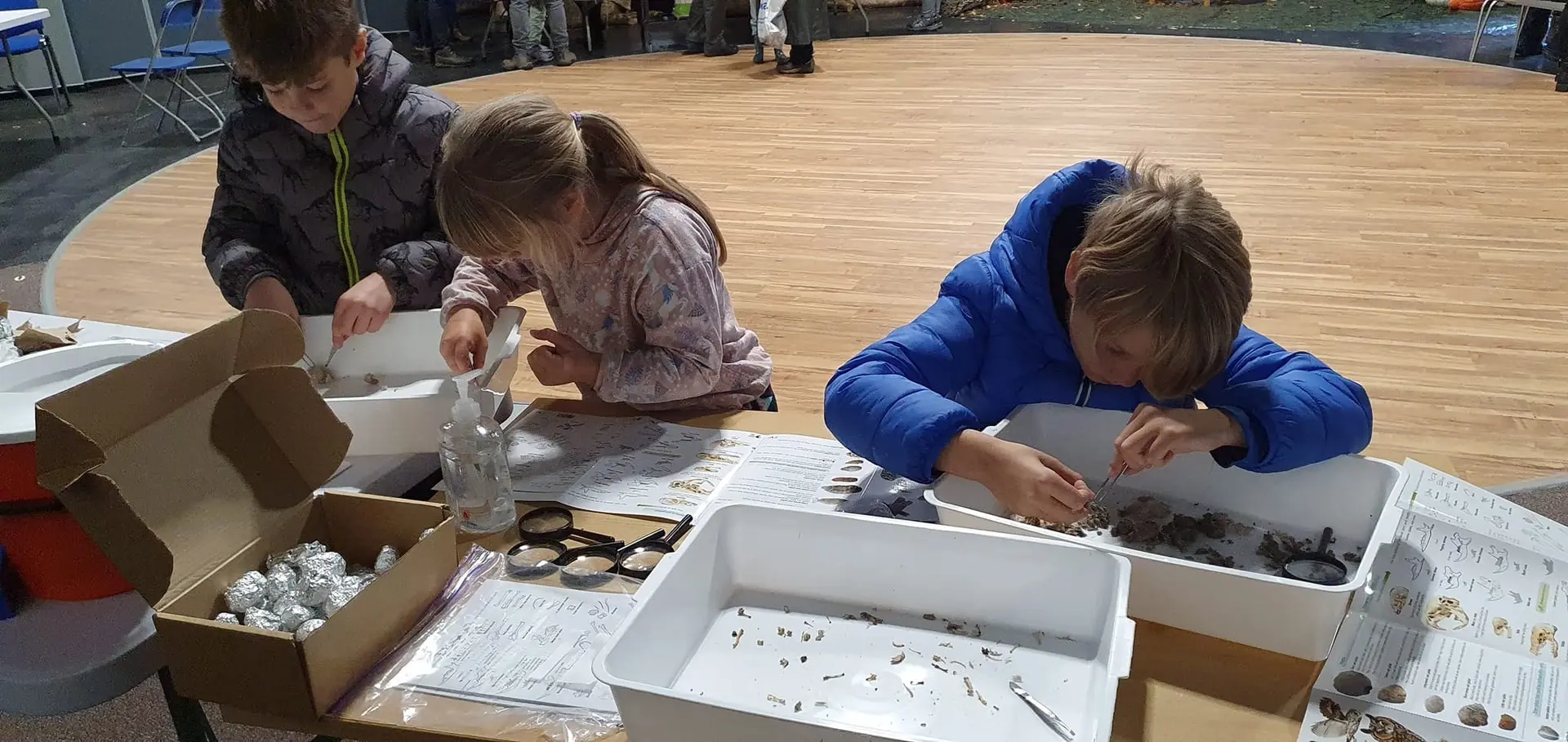
WildSpace is a Llanarthney, Wales-based nature education provider that runs hands-on science workshops focused on wildlife discovery. WildSpace offers two named experiences: the Science Workshop at Sea Trust Wales’ Ocean Lab in Pembs and the Science Workshop at Oriel y Parc. At the Sea Trust Ocean Lab workshop, WildSpace’s Wild Science team takes participants through marine and coastal wildlife discovery using special tools to uncover creatures and specimens. At the Oriel y Parc workshop, the Wild Science team explores nearby terrestrial and freshwater wildlife, using tools to reveal insects, plants and small animals and to explain scientific observations. Workshops are designed around direct observation, simple field techniques and practical, hands-on investigation. WildSpace-led sessions emphasize wildlife identification, the use of simple investigation tools and the scientific process of observing, recording and discussing findings. Each session uses the facilities and environments available at Sea Trust Wales’ Ocean Lab and at Oriel y Parc to create accessible learning opportunities. WildSpace presents factual, place-based science activities without embellishment. The business lists specific workshop locations and clear trip summaries so participants know what to expect in advance. Booking information and session details are provided through the event listings where the trips are offered. WildSpace describes activities in third person and relies on named locations and workshop titles for clarity. Published trip listings include: Science Workshop - Sea Trust Ocean Lab, Pembs, and Science Workshop - Oriel y Parc, each described with a brief summary noting the use of special tools and hands-on wildlife discovery methods.
Book with WildSpace