THE ADVENTURE COLLECTIVE® · Independent discovery and booking for outdoor travel

Ride the Parabat Express into Bangladesh’s tea country, hike Lawachara’s rainforest trails in search of hillock gibbons, and share meals with tribal families over seven-layer tea. This three-day tour blends rail travel, easy hikes, and village visits for a grounded cultural adventure.
Ride the Parabat Express into Bangladesh’s tea country, hike Lawachara’s rainforest trails in search of hillock gibbons, and share meals with tribal families over seven-layer tea. This three-day tour blends rail travel, easy hikes, and village visits for a grounded cultural adventure.
The train lurches out of Dhaka at dawn and the plains open like a green ocean. Tea bushes roll past in tight, geometric waves; tuktuks thread narrow village lanes; evening light paints Madhabpur Lake a slow, reflective gold. This three-day itinerary trades city clamor for the slow rhythms of northeastern Bangladesh — a mix of rail travel, short hikes, and intimate village visits.
Verified experiences and guided adventures in the surrounding area.
Operated by Bangladesh Eco Adventure · Sreemangal, Moulvibazar District
The train lurches out of Dhaka at dawn and the plains open like a green ocean. Tea bushes roll past in tight, geometric waves; tuktuks thread narrow village lanes; evening light paints Madhabpur Lake a slow, reflective gold. This three-day itinerary trades city clamor for the slow rhythms of northeastern Bangladesh — a mix of rail travel, short hikes, and intimate village visits.
Tea cultivation here dates to the British colonial period, and the plantations around Sreemangal sit on low undulating terraces carved into ancient alluvial soils. Lawachara National Park preserves a remnant of tropical rainforest on these gentle hills; trails are mostly 3–5 km with modest elevation changes (roughly 100–200 m total gain on steeper sections), providing access to dense understory and canopy where the endangered hillock gibbon may call.
Cultural encounters frame the trip: visits to Khasi and Manipuri villages, a home-cooked tribal lunch, and the local ritual of seven-layer tea reveal livelihoods tied to tea labor, crafts, and wetland fisheries. Expect simple guest interactions, basic facilities, and honest hospitality rather than polished tourism.
Practical guidance: plan for long train segments (~5 hours each way) and several short tuk‑tuk transfers. Wear sturdy hiking shoes and bring light rain protection—Sreemangal is humid year-round and wet seasons make trails slippery. Carry insect repellent and a refillable water bottle; guides typically provide bottled water. For wildlife viewing, move quietly at dawn and dusk.
This tour suits travelers with moderate fitness who want a mixed program of easy-to-moderate walking, cultural access, and slow travel by rail—an efficient window into Bangladesh’s tea country.
Expect approximately 5–5.5 hours on the Parabat Express with AC chair coach seats; allow extra time for station procedures.
Yes—short hikes can encounter birds, monkeys, and occasionally the endangered hillock gibbon, but sightings are not guaranteed and require quiet, early starts.
The itinerary notes a hotel stop but typically assumes the client books their own hotel; confirm lodging arrangements with the operator before travel.
Infants must sit on an adult’s lap on trains; because of hiking and village visits, the tour is better suited to older children used to walking and basic facilities.
Bangladesh Eco Adventure operates guided outdoor trips and adventures with an emphasis on safety, stewardship, and memorable experiences.
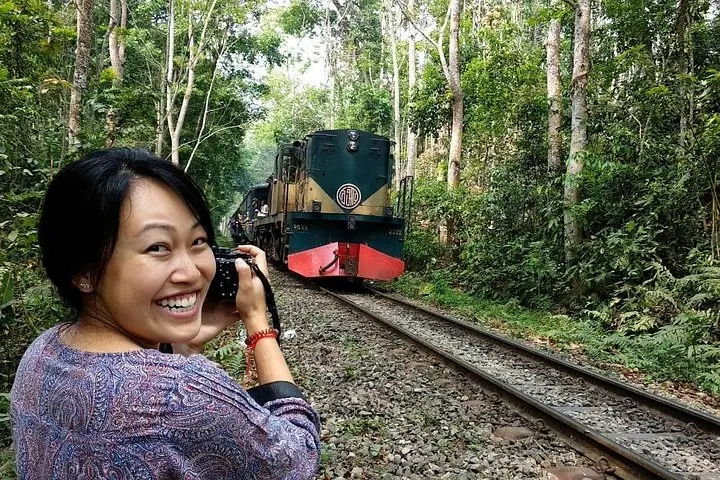
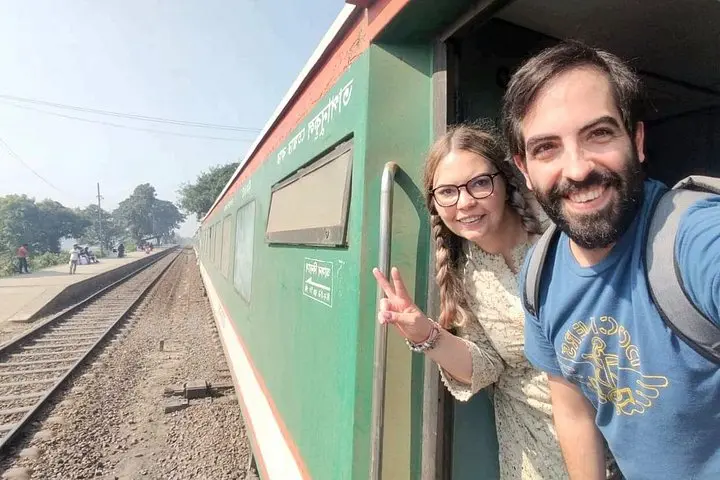
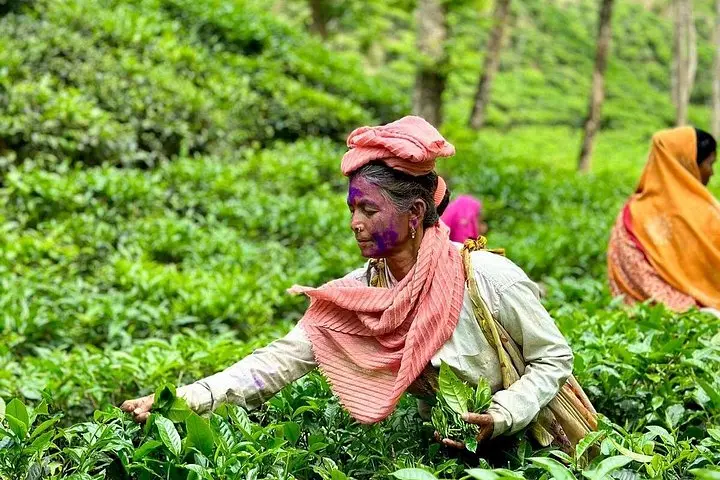
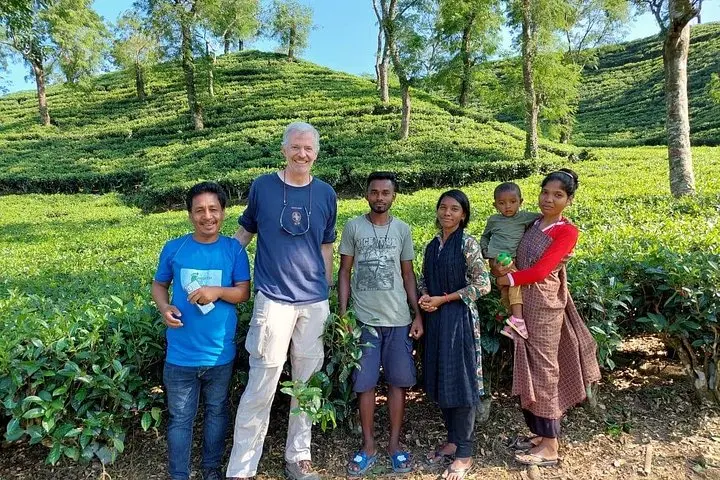
The train lurches out of Dhaka at dawn and the plains open like a green ocean. Tea bushes roll past in tight, geometric waves; tuktuks thread narrow village lanes; evening light paints Madhabpur Lake a slow, reflective gold. This three-day itinerary trades city clamor for the slow rhythms of northeastern Bangladesh — a mix of rail travel, short hikes, and intimate village visits.
The train lurches out of Dhaka at dawn and the plains open like a green ocean. Tea bushes roll past in tight, geometric waves; tuktuks thread narrow village lanes; evening light paints Madhabpur Lake a slow, reflective gold. This three-day itinerary trades city clamor for the slow rhythms of northeastern Bangladesh — a mix of rail travel, short hikes, and intimate village visits.
Tea cultivation here dates to the British colonial period, and the plantations around Sreemangal sit on low undulating terraces carved into ancient alluvial soils. Lawachara National Park preserves a remnant of tropical rainforest on these gentle hills; trails are mostly 3–5 km with modest elevation changes (roughly 100–200 m total gain on steeper sections), providing access to dense understory and canopy where the endangered hillock gibbon may call.
Cultural encounters frame the trip: visits to Khasi and Manipuri villages, a home-cooked tribal lunch, and the local ritual of seven-layer tea reveal livelihoods tied to tea labor, crafts, and wetland fisheries. Expect simple guest interactions, basic facilities, and honest hospitality rather than polished tourism.
Practical guidance: plan for long train segments (~5 hours each way) and several short tuk‑tuk transfers. Wear sturdy hiking shoes and bring light rain protection—Sreemangal is humid year-round and wet seasons make trails slippery. Carry insect repellent and a refillable water bottle; guides typically provide bottled water. For wildlife viewing, move quietly at dawn and dusk.
This tour suits travelers with moderate fitness who want a mixed program of easy-to-moderate walking, cultural access, and slow travel by rail—an efficient window into Bangladesh’s tea country.