THE ADVENTURE COLLECTIVE® · Independent discovery and booking for outdoor travel

Twelve days across Sri Lanka’s coasts, plains and hills—this private tour threads markets, ancient cities, elephant-rich plains and coral-fringed beaches into a single itinerary. Expect cultural depth, wildlife encounters, and plenty of time to slow down by the sea.
Twelve days across Sri Lanka’s coasts, plains and hills—this private tour threads markets, ancient cities, elephant-rich plains and coral-fringed beaches into a single itinerary. Expect cultural depth, wildlife encounters, and plenty of time to slow down by the sea.
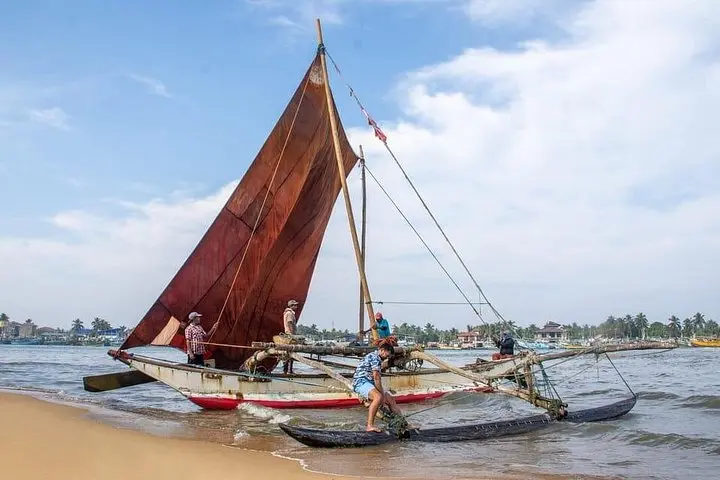
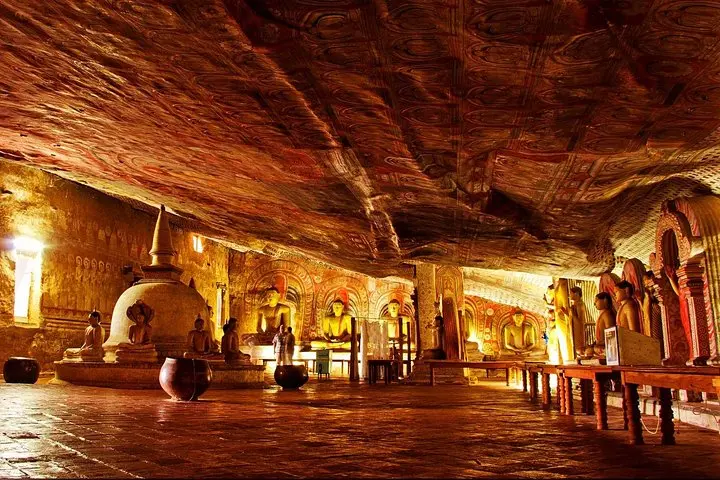
The bus eases away from Bandaranaike International, and the first scent of the island—salt, coconut oil and frying spices—rides the air. You move from a low, fisherman-studded coastline through an ever-steepening green, past paddy fields that shine like mirrors in the sun, and at each stop the island makes a different argument for why travelers stay. This twelve-day circuit threads Sri Lanka’s highlands and coasts: Negombo’s fish markets, the carved caves of Dambulla, elephants that gather like weather at Minneriya, the vertical drama of Sigiriya, the colonial tea terraces around Kandy, and the coral-banded shallows of the east coast.
Verified experiences and guided adventures in the surrounding area.
Operated by NSS Tours · Sigiriya, Central Province
The bus eases away from Bandaranaike International, and the first scent of the island—salt, coconut oil and frying spices—rides the air. You move from a low, fisherman-studded coastline through an ever-steepening green, past paddy fields that shine like mirrors in the sun, and at each stop the island makes a different argument for why travelers stay. This twelve-day circuit threads Sri Lanka’s highlands and coasts: Negombo’s fish markets, the carved caves of Dambulla, elephants that gather like weather at Minneriya, the vertical drama of Sigiriya, the colonial tea terraces around Kandy, and the coral-banded shallows of the east coast.
History is carved in stone here. Sigiriya’s fifth-century fortress and Polonnaruwa’s medieval city read like an atlas of power—water gardens and ancient hydraulic works show engineering as much as art. Geologically, the upthrust of Precambrian gneiss forms the island’s backbone; the central hills are older rock folded and weathered into the tea-country ridgelines that give Kandy its cool air. Culture arrives in more intimate forms: an evening Kandyan dance depicting local legends, a village visit where rice paddies still take the rhythm of hand tools, and a cup of freshly plucked Ceylon tea explained by a factory worker who knows each grade by eye.
Wildlife is a headline here. Minneriya’s reservoir acts like a seasonal magnet for Sri Lankan elephants, pulling herds into the open during dry months. Offshore, Pigeon Island’s reef reels with color—hawksbill and green turtles frequent the coral gardens, and the sea itself will tug at you if you bring a snorkel.
Practical guidance matters on a trip that mixes temples, safaris and snorkeling.
Start in Negombo or Colombo to manage arrivals; the itinerary returns to the airport at the end. Pack light, breathable layers for the coast and a warm fleece for Kandy’s evenings. Comfortable walking shoes are non-negotiable: expect stair climbs at Sigiriya and uneven temple floors at Dambulla. For safaris, bring binoculars and a neutral palette—bright clothing draws attention and heat. Hydrate: Sri Lanka’s sun can be sharp and deceptively draining when moving between microclimates.
Respect local customs—cover shoulders at religious sites, remove shoes at temple thresholds, and ask before photographing people. Tipping is appreciated at small local operations. Many entrances require cash for incidental fees; ATMs are frequent in towns but sparse in villages.
This route balances motion and pause: long days of exploration followed by standstill, flat-sea afternoons where you let the ocean decide whether to drift into coral reefs or simply watch the light. It’s an island that challenges assumptions; it quiets you down and then fills you up with new places to look from.
Yes—it's a private tour so pacing can be adjusted, but note long drives and uneven terrain; infant seats are available on request.
Routine vaccinations are advisable; check for hepatitis A and typhoid recommendations, and bring malaria advice from your doctor for certain rural areas.
Some admissions are not included and can be purchased at entrances; the supplier notes tickets for certain parks may be additional.
The eastern coast includes two full days at Pasikuda and multiple nights in Nilaveli for snorkeling or relaxing—ample downtime is built into days 7–11.
This is a private tour and can typically be tailored—contact the operator with pickup details and special requirements when booking.
Guides usually speak English; local guides for village visits may speak regional languages and use translators if needed.
NSS Tours operates guided outdoor trips and adventures with an emphasis on safety, stewardship, and memorable experiences.

The bus eases away from Bandaranaike International, and the first scent of the island—salt, coconut oil and frying spices—rides the air. You move from a low, fisherman-studded coastline through an ever-steepening green, past paddy fields that shine like mirrors in the sun, and at each stop the island makes a different argument for why travelers stay. This twelve-day circuit threads Sri Lanka’s highlands and coasts: Negombo’s fish markets, the carved caves of Dambulla, elephants that gather like weather at Minneriya, the vertical drama of Sigiriya, the colonial tea terraces around Kandy, and the coral-banded shallows of the east coast.
The bus eases away from Bandaranaike International, and the first scent of the island—salt, coconut oil and frying spices—rides the air. You move from a low, fisherman-studded coastline through an ever-steepening green, past paddy fields that shine like mirrors in the sun, and at each stop the island makes a different argument for why travelers stay. This twelve-day circuit threads Sri Lanka’s highlands and coasts: Negombo’s fish markets, the carved caves of Dambulla, elephants that gather like weather at Minneriya, the vertical drama of Sigiriya, the colonial tea terraces around Kandy, and the coral-banded shallows of the east coast.
History is carved in stone here. Sigiriya’s fifth-century fortress and Polonnaruwa’s medieval city read like an atlas of power—water gardens and ancient hydraulic works show engineering as much as art. Geologically, the upthrust of Precambrian gneiss forms the island’s backbone; the central hills are older rock folded and weathered into the tea-country ridgelines that give Kandy its cool air. Culture arrives in more intimate forms: an evening Kandyan dance depicting local legends, a village visit where rice paddies still take the rhythm of hand tools, and a cup of freshly plucked Ceylon tea explained by a factory worker who knows each grade by eye.
Wildlife is a headline here. Minneriya’s reservoir acts like a seasonal magnet for Sri Lankan elephants, pulling herds into the open during dry months. Offshore, Pigeon Island’s reef reels with color—hawksbill and green turtles frequent the coral gardens, and the sea itself will tug at you if you bring a snorkel.
Practical guidance matters on a trip that mixes temples, safaris and snorkeling.
Start in Negombo or Colombo to manage arrivals; the itinerary returns to the airport at the end. Pack light, breathable layers for the coast and a warm fleece for Kandy’s evenings. Comfortable walking shoes are non-negotiable: expect stair climbs at Sigiriya and uneven temple floors at Dambulla. For safaris, bring binoculars and a neutral palette—bright clothing draws attention and heat. Hydrate: Sri Lanka’s sun can be sharp and deceptively draining when moving between microclimates.
Respect local customs—cover shoulders at religious sites, remove shoes at temple thresholds, and ask before photographing people. Tipping is appreciated at small local operations. Many entrances require cash for incidental fees; ATMs are frequent in towns but sparse in villages.
This route balances motion and pause: long days of exploration followed by standstill, flat-sea afternoons where you let the ocean decide whether to drift into coral reefs or simply watch the light. It’s an island that challenges assumptions; it quiets you down and then fills you up with new places to look from.