THE ADVENTURE COLLECTIVE® · Independent discovery and booking for outdoor travel

A compact five-day private loop from Colombo through Sigiriya, Kandy, Nuwara Eliya, Ella and Mirissa—combining UNESCO sites, tea-country vistas, national-park wildlife and dawn whale watching. It’s a practical, well-paced introduction to Sri Lanka’s geological highs and cultural depths.
A compact five-day private loop from Colombo through Sigiriya, Kandy, Nuwara Eliya, Ella and Mirissa—combining UNESCO sites, tea-country vistas, national-park wildlife and dawn whale watching. It’s a practical, well-paced introduction to Sri Lanka’s geological highs and cultural depths.
You step out of Colombo’s humid dawn into an air-conditioned van and the country expands around you—rice paddies flatten into a patchwork, then the land rises into emerald tea slopes. On day one the van threads toward Sigiriya’s Lion Rock (about a 4–5 hour drive from Colombo), a hulking slab of Precambrian gneiss that forces a slow cadence from visitors as stairs carve a route up its sheer face.
Verified experiences and guided adventures in the surrounding area.
Operated by vishwa colombo tours · Colombo, Western Province
You step out of Colombo’s humid dawn into an air-conditioned van and the country expands around you—rice paddies flatten into a patchwork, then the land rises into emerald tea slopes. On day one the van threads toward Sigiriya’s Lion Rock (about a 4–5 hour drive from Colombo), a hulking slab of Precambrian gneiss that forces a slow cadence from visitors as stairs carve a route up its sheer face.
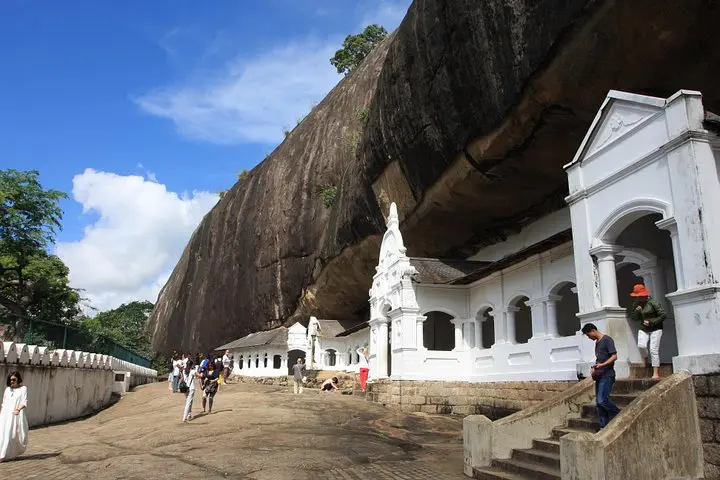
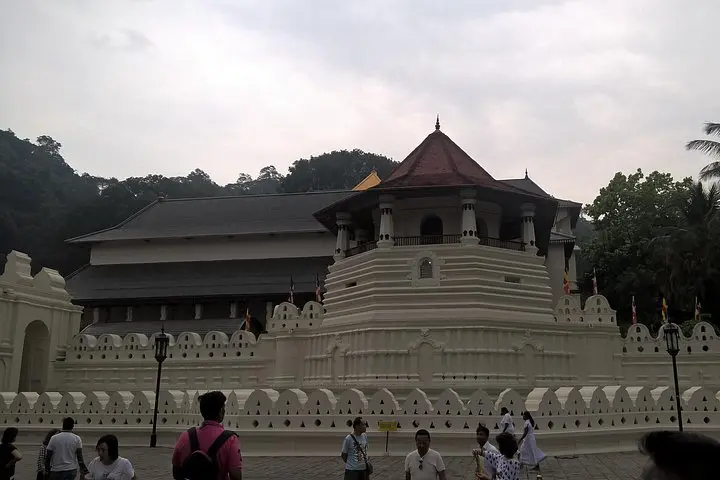
The itinerary reads like a condensed primer on Sri Lanka: Sigiriya’s frescoed terraces and water gardens, the gilded mouth of Dambulla Cave Temple, a spice garden and a head massage before Kandy’s Temple of the Tooth, and the cool mountain air of Nuwara Eliya where tea factories steam like low clouds. The train from Nanu Oya through Horton’s fringe into Ella is the tour’s palate cleanser—three to four hours of slow travel where viaducts and tea benches seem to rearrange themselves for the camera.
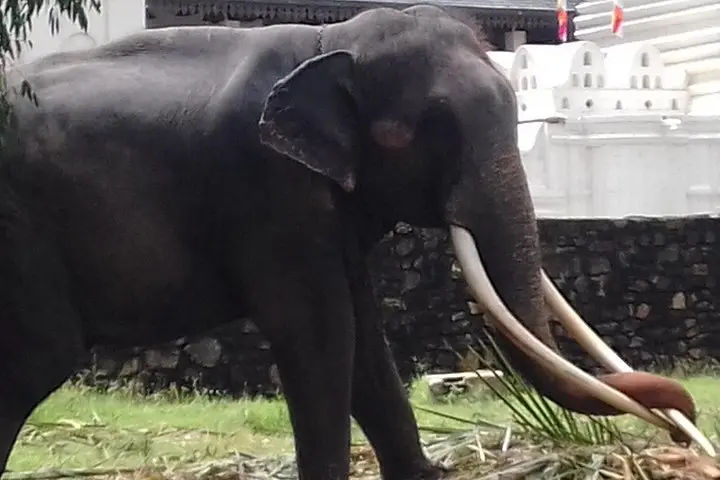
Geology and history collide here. Sigiriya is a 5th-century engineering gamble by King Kassapa; the caves at Dambulla hold Buddhist murals and sculptures carved into an older volcanic bedrock. The hill country’s soils are a legacy of weathered highland granite, feeding the tea industry that reshaped colonial-era Sri Lanka. Udawalawe National Park, visited from Ella en route to the south coast, changes the tone—dry scrub, elephants that move with calm purpose, and the sky opened to the sea.
Mirissa caps the loop: early-morning whale watching off its shore (boats depart at dawn) and afternoons on a crescent beach that leans toward coconut palms. Galle Fort on the return to Colombo is colonial geometry—ramparts, alleys and Dutch-era masonry that anchor the tour’s cultural layer.
Practical notes: expect daily drives of 3–5 hours and several short walks (stairs at Sigiriya, paths in botanical gardens). Nuwara Eliya sits near 1,800 m elevation—layers help for cool mornings. The train segment rewards booking a seat by the window and packing a small daypack; luggage is transferred by vehicle.
Pack light but smart: sturdy walking shoes, sun protection, insect repellent and a reusable water bottle. The tour is private and accessible—vehicles are air-conditioned and the operator offers hotel pickup across Colombo and Negombo. Weather varies by zone: mountain mist and coastal sun can appear on the same day. Move at the rhythm of the place—wake early for wildlife and whales, leave time in Kandy for a cultural show, and bring curiosity for roadside spice stalls and tea tasting. This five-day loop is both a crash course and an invitation: dense with history and generous with landscapes, it asks little more than that you pay attention.
Yes—transport is private and air-conditioned, hotels offer rest between activities, and most sites have manageable walking; inform the operator of mobility needs for tailored pickup and pacing.
Admission is not included in the base inclusions; plan to pay entrances (Sigiriya, Temple of the Tooth, train tickets) on-site or ask for a quote that includes them.
Dawn departures between November and April have higher chances of blue and sperm whale sightings; sightings aren't guaranteed and depend on sea conditions.
Luggage is usually transported by vehicle while you take the scenic train; travel light for ease and confirm arrangements with the operator.
The tour lists an English-speaking driver/guide; request other languages in advance if needed.
Tipping is appreciated in Sri Lanka—small tips for drivers, guides and hotel staff are customary but discretionary based on service.
vishwa colombo tours operates guided outdoor trips and adventures with an emphasis on safety, stewardship, and memorable experiences.
You step out of Colombo’s humid dawn into an air-conditioned van and the country expands around you—rice paddies flatten into a patchwork, then the land rises into emerald tea slopes. On day one the van threads toward Sigiriya’s Lion Rock (about a 4–5 hour drive from Colombo), a hulking slab of Precambrian gneiss that forces a slow cadence from visitors as stairs carve a route up its sheer face.
You step out of Colombo’s humid dawn into an air-conditioned van and the country expands around you—rice paddies flatten into a patchwork, then the land rises into emerald tea slopes. On day one the van threads toward Sigiriya’s Lion Rock (about a 4–5 hour drive from Colombo), a hulking slab of Precambrian gneiss that forces a slow cadence from visitors as stairs carve a route up its sheer face.
The itinerary reads like a condensed primer on Sri Lanka: Sigiriya’s frescoed terraces and water gardens, the gilded mouth of Dambulla Cave Temple, a spice garden and a head massage before Kandy’s Temple of the Tooth, and the cool mountain air of Nuwara Eliya where tea factories steam like low clouds. The train from Nanu Oya through Horton’s fringe into Ella is the tour’s palate cleanser—three to four hours of slow travel where viaducts and tea benches seem to rearrange themselves for the camera.
Geology and history collide here. Sigiriya is a 5th-century engineering gamble by King Kassapa; the caves at Dambulla hold Buddhist murals and sculptures carved into an older volcanic bedrock. The hill country’s soils are a legacy of weathered highland granite, feeding the tea industry that reshaped colonial-era Sri Lanka. Udawalawe National Park, visited from Ella en route to the south coast, changes the tone—dry scrub, elephants that move with calm purpose, and the sky opened to the sea.
Mirissa caps the loop: early-morning whale watching off its shore (boats depart at dawn) and afternoons on a crescent beach that leans toward coconut palms. Galle Fort on the return to Colombo is colonial geometry—ramparts, alleys and Dutch-era masonry that anchor the tour’s cultural layer.
Practical notes: expect daily drives of 3–5 hours and several short walks (stairs at Sigiriya, paths in botanical gardens). Nuwara Eliya sits near 1,800 m elevation—layers help for cool mornings. The train segment rewards booking a seat by the window and packing a small daypack; luggage is transferred by vehicle.
Pack light but smart: sturdy walking shoes, sun protection, insect repellent and a reusable water bottle. The tour is private and accessible—vehicles are air-conditioned and the operator offers hotel pickup across Colombo and Negombo. Weather varies by zone: mountain mist and coastal sun can appear on the same day. Move at the rhythm of the place—wake early for wildlife and whales, leave time in Kandy for a cultural show, and bring curiosity for roadside spice stalls and tea tasting. This five-day loop is both a crash course and an invitation: dense with history and generous with landscapes, it asks little more than that you pay attention.