THE ADVENTURE COLLECTIVE® · Independent discovery and booking for outdoor travel

Move beyond postcards into the lived rhythm of Sri Lanka’s Buddhist heartlands. Over six days this private pilgrimage links Colombo’s temples with the ancient stupas of Anuradhapura, the painted caves at Dambulla, Sigiriya’s rock palace, and Kandy’s Tooth Relic.
Move beyond postcards into the lived rhythm of Sri Lanka’s Buddhist heartlands. Over six days this private pilgrimage links Colombo’s temples with the ancient stupas of Anuradhapura, the painted caves at Dambulla, Sigiriya’s rock palace, and Kandy’s Tooth Relic.
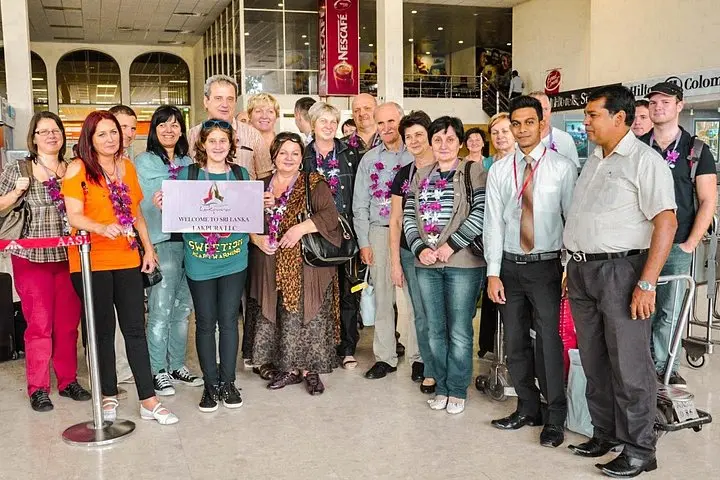
You arrive in Colombo under the low, humid light of a Sri Lankan morning; a chauffeur-guide in crisp white welcomes you and folds your luggage into an air-conditioned van. The city's noise peels away as palms and paddy fields take over the windshield. Over six days the road becomes the spine of the pilgrimage: stoic stupas, painted cave sanctuaries, and a rock fortress that still stands watch over a rural plain.
Verified experiences and guided adventures in the surrounding area.
Operated by Lakpura LLC · Colombo, Western Province
You arrive in Colombo under the low, humid light of a Sri Lankan morning; a chauffeur-guide in crisp white welcomes you and folds your luggage into an air-conditioned van. The city's noise peels away as palms and paddy fields take over the windshield. Over six days the road becomes the spine of the pilgrimage: stoic stupas, painted cave sanctuaries, and a rock fortress that still stands watch over a rural plain.
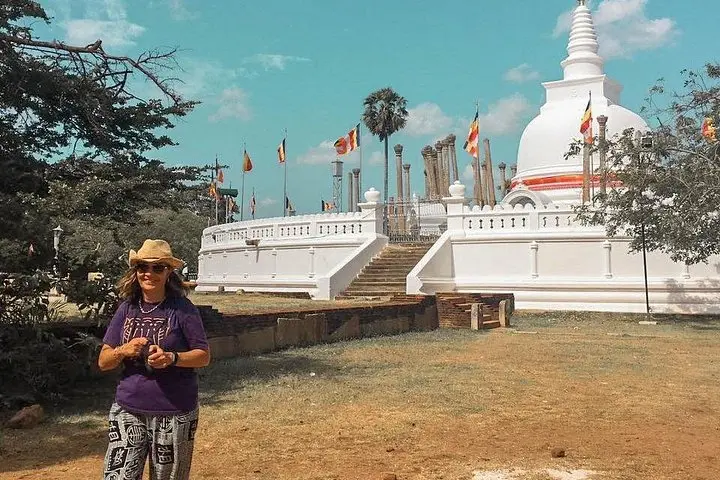
On paper this is a cultural circuit—Gangaramaya and Kelaniya in Colombo, Jaya Sri Maha Bodhi and Jetavanaramaya in Anuradhapura, the cave complex at Dambulla, Sigiriya’s lion stairs, Mihintale, and the Temple of the Tooth in Kandy—but experienced as a line of moments. In Anuradhapura the Bodhi tree casts a deliberate shade; pilgrims move in a slow, composed rhythm around its fence, chanting and placing flowers. At Dambulla the cave walls keep frescoes painted millennia ago, pigments dulled but narratives intact. Sigiriya, hewn high in the 5th century, tests legs and patience with a vertiginous ascent but rewards with layered water gardens and terraced cisterns that reveal how hydraulic engineering shaped power and ritual.
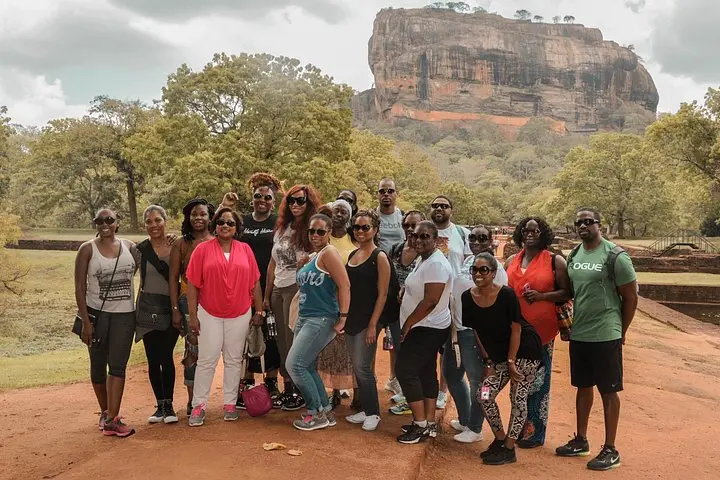
Geology here is blunt: Sigiriya’s granite core rose as a hardened plug while the lowlands are alluvial, feeding rice and riverine life. Culture and geology combine—settlements sprang where water could be stored. Sri Lanka’s Theravada tradition has anchored public life for over two millennia; kings funded stupas and monastic complexes, and many towns in this tour grew around those institutions.
Practicalities matter. Entry fees for major sites are paid on arrival; several stops require modest walking and stair climbs—comfortable shoes are non-negotiable. Mornings are cooler for climbs; afternoons are better for museum visits and market wandering. Dress conservatively at temples—shoulders and knees covered—and have a lightweight scarf for quick coverage. Carry small local cash for offerings and restroom fees; bottled water is provided daily but bring a reusable bottle to reduce plastic.
Logistics are straightforward: private transport, English-speaking chauffeur-guide, and two 500ml water bottles per person per day are included. The tour moves at a considered pace—days mix short drives and multi-hour transfers—so plan for a few early mornings and relaxed evenings in regional hotels. If you want to deepen the experience, ask your guide about local monastic schedules or sunrise at Mihintale; those quieter moments are what turn a checklist into a pilgrimage.
This is not an extreme trek; it is a layered encounter with history, ritual, and landscape. Expect to walk, to climb stairs, and to sit with the weight of centuries in quiet courtyards. For travelers who want context with comfort, the route delivers both.
No; entrance fees to sites like Sigiriya and Dambulla are typically paid on arrival and are not included in the tour price.
Yes—transport is private and stops are flexible, but there are stairs and some uneven ground; inform the operator of mobility needs so they can adapt the pace.
Expect several short walks of 30–90 minutes plus stair climbs at Sigiriya and Mihintale; most days balance walking with time in the vehicle.
An English-speaking chauffeur-guide is provided for the duration of the tour.
Meals are not listed as included; hotels and local restaurants along the route offer options—your guide can recommend places to try local rice-and-curry meals.
Yes; this is a private tour and pickup/drop-off points are flexible—discuss adjustments and special requirements with the operator when booking.
Lakpura LLC operates guided outdoor trips and adventures with an emphasis on safety, stewardship, and memorable experiences.
You arrive in Colombo under the low, humid light of a Sri Lankan morning; a chauffeur-guide in crisp white welcomes you and folds your luggage into an air-conditioned van. The city's noise peels away as palms and paddy fields take over the windshield. Over six days the road becomes the spine of the pilgrimage: stoic stupas, painted cave sanctuaries, and a rock fortress that still stands watch over a rural plain.
You arrive in Colombo under the low, humid light of a Sri Lankan morning; a chauffeur-guide in crisp white welcomes you and folds your luggage into an air-conditioned van. The city's noise peels away as palms and paddy fields take over the windshield. Over six days the road becomes the spine of the pilgrimage: stoic stupas, painted cave sanctuaries, and a rock fortress that still stands watch over a rural plain.
On paper this is a cultural circuit—Gangaramaya and Kelaniya in Colombo, Jaya Sri Maha Bodhi and Jetavanaramaya in Anuradhapura, the cave complex at Dambulla, Sigiriya’s lion stairs, Mihintale, and the Temple of the Tooth in Kandy—but experienced as a line of moments. In Anuradhapura the Bodhi tree casts a deliberate shade; pilgrims move in a slow, composed rhythm around its fence, chanting and placing flowers. At Dambulla the cave walls keep frescoes painted millennia ago, pigments dulled but narratives intact. Sigiriya, hewn high in the 5th century, tests legs and patience with a vertiginous ascent but rewards with layered water gardens and terraced cisterns that reveal how hydraulic engineering shaped power and ritual.
Geology here is blunt: Sigiriya’s granite core rose as a hardened plug while the lowlands are alluvial, feeding rice and riverine life. Culture and geology combine—settlements sprang where water could be stored. Sri Lanka’s Theravada tradition has anchored public life for over two millennia; kings funded stupas and monastic complexes, and many towns in this tour grew around those institutions.
Practicalities matter. Entry fees for major sites are paid on arrival; several stops require modest walking and stair climbs—comfortable shoes are non-negotiable. Mornings are cooler for climbs; afternoons are better for museum visits and market wandering. Dress conservatively at temples—shoulders and knees covered—and have a lightweight scarf for quick coverage. Carry small local cash for offerings and restroom fees; bottled water is provided daily but bring a reusable bottle to reduce plastic.
Logistics are straightforward: private transport, English-speaking chauffeur-guide, and two 500ml water bottles per person per day are included. The tour moves at a considered pace—days mix short drives and multi-hour transfers—so plan for a few early mornings and relaxed evenings in regional hotels. If you want to deepen the experience, ask your guide about local monastic schedules or sunrise at Mihintale; those quieter moments are what turn a checklist into a pilgrimage.
This is not an extreme trek; it is a layered encounter with history, ritual, and landscape. Expect to walk, to climb stairs, and to sit with the weight of centuries in quiet courtyards. For travelers who want context with comfort, the route delivers both.