THE ADVENTURE COLLECTIVE® · Independent discovery and booking for outdoor travel

Six days compress Sri Lanka’s best: Sigiriya’s fortress, Kandy’s temple rituals, misty tea hills, a breathtaking highland train ride and a lowland elephant safari — all tied together with village visits and coastal downtime. Read on for what to expect and how to prepare.
Six days compress Sri Lanka’s best: Sigiriya’s fortress, Kandy’s temple rituals, misty tea hills, a breathtaking highland train ride and a lowland elephant safari — all tied together with village visits and coastal downtime. Read on for what to expect and how to prepare.
Dawn breaks over a carved rock face and the first pilgrims already thread their way up narrow stairs. The air smells of damp earth and spices; a van hums away toward tea-swept hills while the ocean farther south readies itself for evening light. This six-day loop through Sri Lanka moves with deliberate variety — temple caverns and fortress summits, mist-laced tea estates, a legendary train ride, and a lowland safari where elephants decide the day’s pace.
Verified experiences and guided adventures in the surrounding area.
Operated by Isle Routes · Sigiriya, Central Province
Dawn breaks over a carved rock face and the first pilgrims already thread their way up narrow stairs. The air smells of damp earth and spices; a van hums away toward tea-swept hills while the ocean farther south readies itself for evening light. This six-day loop through Sri Lanka moves with deliberate variety — temple caverns and fortress summits, mist-laced tea estates, a legendary train ride, and a lowland safari where elephants decide the day’s pace.
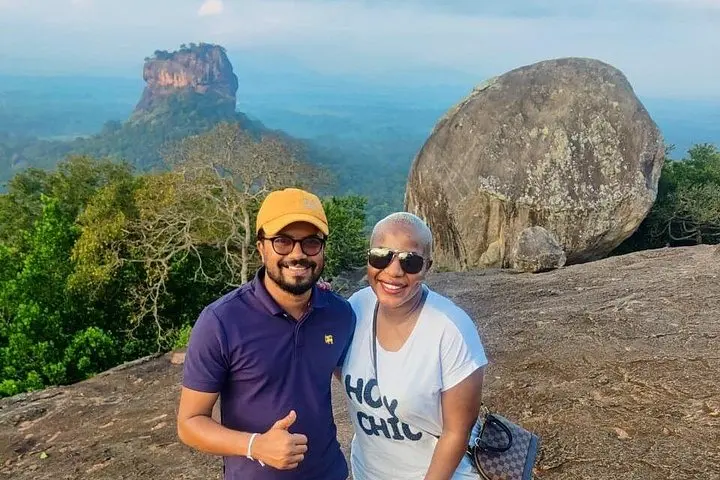
The itinerary stitches together UNESCO sites and local rituals with a geography shaped by ancient volcanic events and continual uplift. Sigiriya, the so-called Lion Rock, rises roughly 200 meters above the plains — a weathered granite core that kings fortified in the 5th century. Kandy sits in a basin ringed by verdant ridges, a cultural hub where the Temple of the Tooth Relic anchors Buddhist practice. Higher still, Nuwara Eliya perches near 1,800 meters, its cooler climate a legacy of tea-growing introduced under British colonial rule; the terraces here are living geological patchwork where soil and slope channel monsoon runoff into dramatic waterfalls like Ramboda.
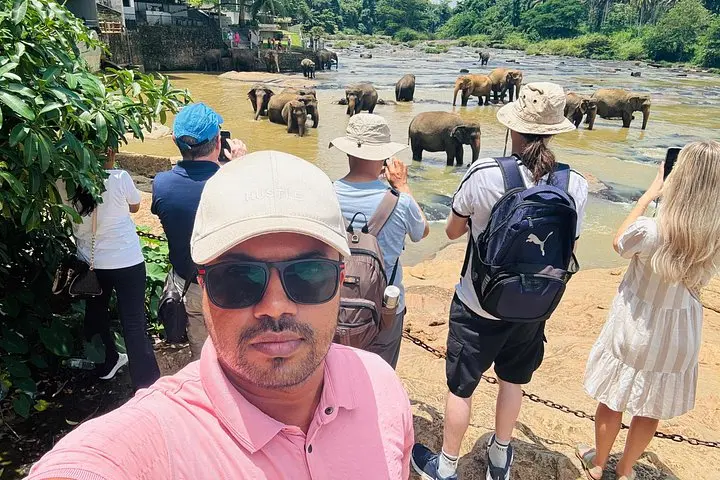
Culture is immediate: a bullock cart creaks along paddy-side lanes, fishermen mend nets on the south coast, and Kandyan drummers keep time for centuries-old dance forms. Small, family-run tea factories invite you into the mechanics of the cup — pluckers’ hands, withering floors, and the pungent aroma of freshly dried leaves. Nature here has personality: the train through the highlands snakes and sighs, waterfalls demand attention, and Udawalawe’s grasslands will make elephants loom into view as though they meant to be noticed.
Practical guidance: plan early starts. Sigiriya’s summit climb is steep and can be hot; factor a 45–90 minute ascent with exposed steps and a 200-meter vertical gain. The Nanu Oya–Ella train leg runs about three hours and includes several photo-ready stops; reserve seats on the day train where possible. Days in the hill country bring cool mornings and sudden showers — pack a lightweight rain layer and shoes with good traction for wet stone paths. On safari, binoculars and a camera with a 200mm+ lens make the most of distance sightings. Local transport is by private air-conditioned van and internal transfers are included, but bring cash for small purchases at markets and for tips.
Timing matters: peak season is December–March for coast and cultural sites; the highlands are pleasant year-round but mistier in the monsoon. When you move between microclimates — coastal humidity to highland cool — layer in and out. The route is compact but deliberately paced: expect long driving stints between highlights, balanced by guided visits, village experiences, and a final unwind on Mirissa’s beaches. It’s an island compressed into a week — tactile, varied, and eminently do-able with a bit of planning.
Yes — the tour is rated physically easy in parts and includes private transport; infant seats are available and many sites are stroller-accessible, though Sigiriya’s summit is steep and not stroller-friendly.
Yes — all listed entry tickets and national park fees are included in the tour price.
Most visitors require an Electronic Travel Authorization (ETA) obtained before arrival; check your nationality-specific requirements and apply online in advance.
Expect light-to-moderate walking: temple visits and short hikes of 1–3 km, a summit climb at Sigiriya (45–90 minutes), and easy village walks.
The Nanu Oya to Ella segment often sells out; while the tour includes the train experience, reserve seats where possible — ask your operator to secure them early.
Tap water is not recommended — stick to bottled water, use sunscreen and insect repellent, and notify the operator of medical needs; the tour is not recommended for travelers with serious heart problems.
Isle Routes operates guided outdoor trips and adventures with an emphasis on safety, stewardship, and memorable experiences.

Dawn breaks over a carved rock face and the first pilgrims already thread their way up narrow stairs. The air smells of damp earth and spices; a van hums away toward tea-swept hills while the ocean farther south readies itself for evening light. This six-day loop through Sri Lanka moves with deliberate variety — temple caverns and fortress summits, mist-laced tea estates, a legendary train ride, and a lowland safari where elephants decide the day’s pace.
Dawn breaks over a carved rock face and the first pilgrims already thread their way up narrow stairs. The air smells of damp earth and spices; a van hums away toward tea-swept hills while the ocean farther south readies itself for evening light. This six-day loop through Sri Lanka moves with deliberate variety — temple caverns and fortress summits, mist-laced tea estates, a legendary train ride, and a lowland safari where elephants decide the day’s pace.
The itinerary stitches together UNESCO sites and local rituals with a geography shaped by ancient volcanic events and continual uplift. Sigiriya, the so-called Lion Rock, rises roughly 200 meters above the plains — a weathered granite core that kings fortified in the 5th century. Kandy sits in a basin ringed by verdant ridges, a cultural hub where the Temple of the Tooth Relic anchors Buddhist practice. Higher still, Nuwara Eliya perches near 1,800 meters, its cooler climate a legacy of tea-growing introduced under British colonial rule; the terraces here are living geological patchwork where soil and slope channel monsoon runoff into dramatic waterfalls like Ramboda.
Culture is immediate: a bullock cart creaks along paddy-side lanes, fishermen mend nets on the south coast, and Kandyan drummers keep time for centuries-old dance forms. Small, family-run tea factories invite you into the mechanics of the cup — pluckers’ hands, withering floors, and the pungent aroma of freshly dried leaves. Nature here has personality: the train through the highlands snakes and sighs, waterfalls demand attention, and Udawalawe’s grasslands will make elephants loom into view as though they meant to be noticed.
Practical guidance: plan early starts. Sigiriya’s summit climb is steep and can be hot; factor a 45–90 minute ascent with exposed steps and a 200-meter vertical gain. The Nanu Oya–Ella train leg runs about three hours and includes several photo-ready stops; reserve seats on the day train where possible. Days in the hill country bring cool mornings and sudden showers — pack a lightweight rain layer and shoes with good traction for wet stone paths. On safari, binoculars and a camera with a 200mm+ lens make the most of distance sightings. Local transport is by private air-conditioned van and internal transfers are included, but bring cash for small purchases at markets and for tips.
Timing matters: peak season is December–March for coast and cultural sites; the highlands are pleasant year-round but mistier in the monsoon. When you move between microclimates — coastal humidity to highland cool — layer in and out. The route is compact but deliberately paced: expect long driving stints between highlights, balanced by guided visits, village experiences, and a final unwind on Mirissa’s beaches. It’s an island compressed into a week — tactile, varied, and eminently do-able with a bit of planning.